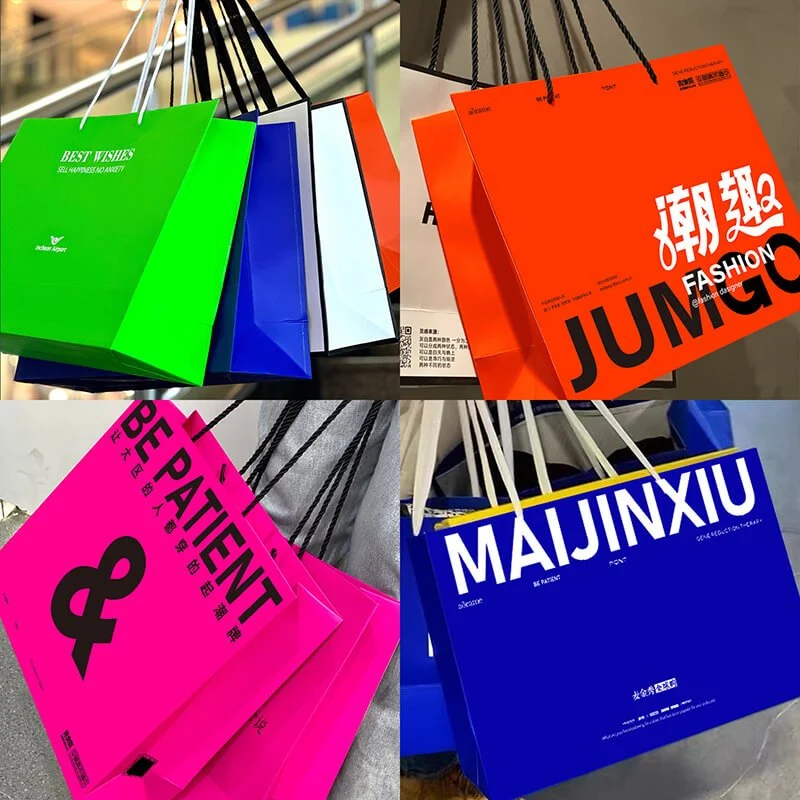


Custom Paper Shopping Bag Storage
If you buy paper shopping bags in volume, storage is not a small detail. It directly affects how your bags look, how quickly your team can use them, and how efficiently your stores or warehouse can replenish stock. When paper bags are stored badly, they can wrinkle, soften, deform, collect dust, or lose their clean presentation before they ever reach the customer. Industry storage guidance consistently warns that humidity, heat, dust, and heavy pressure can damage paper bags and reduce their structural quality.
At POZI, we do not treat paper shopping bag storage as a separate afterthought. We treat it as part of a complete paper bag supply program. If your bags are properly sized, properly packed, and properly stored, they stay cleaner, flatter, and easier to use across daily retail operations. This page is designed to help you organize paper shopping bag storage more efficiently while also connecting that storage plan to your actual purchasing strategy for plain bags, logo bags, heavy duty bags, and seasonal bag programs. POZI’s existing plain paper shopping bag page already positions storage as part of backroom organization, size sorting, and protection from dust and compression.
| Item | Details |
|---|---|
| Page Focus | Paper shopping bag storage solutions for retail stores, warehouses, and multi-location operations |
| Suitable For | Plain paper bags, logo paper bags, luxury paper bags, heavy duty paper shopping bags, seasonal bag programs |
| Main Goals | Keep bags flat, clean, size-sorted, easy to access, and ready for daily use |
| Common Storage Risks | Humidity, dust, compression, sunlight, mixed-size stacking, handle deformation |
| Recommended Methods | Flat storage, vertical sorting, labeled cartons, shelf storage, covered bins, reserve-stock separation |
| Best For | Retail backrooms, boutiques, chain stores, warehouses, event inventory, replenishment systems |
| Supply Connection | Supports better planning for standard bag sizes, reorder cycles, and cleaner store operations |
Why Paper Shopping Bag Storage Matters
Paper shopping bags are part of the customer experience. Even before a customer carries one, the bag already represents your store presentation, your brand consistency, and your operational control. A bag that looks crushed, dusty, bent, or softened by poor storage weakens that impression immediately.
Good storage improves more than appearance. It helps your team move faster during busy sales periods, prevents confusion between sizes, reduces avoidable waste, and keeps reserve stock ready for use. Storage and supply should work together. If your store buys the right paper shopping bags but stores them poorly, part of the value is lost before the bag is even used.
Public storage guidance for paper bags consistently points to the same operational risks: moisture absorption, deformation under pressure, dust contamination, sunlight exposure, and disorganized stacking. These are not theoretical issues. They directly affect bag usability and visual condition.
Common Storage Problems in Retail Backrooms
In many stores, paper bags are treated as background stock. They are placed wherever there is available space, stacked with mixed sizes, or squeezed into corners near packing stations. Over time, this creates practical problems.
Small and large bags get mixed together. Staff waste time looking for the right size. Reserve stock becomes harder to count. Top layers stay clean while lower layers get crushed. Handles bend or tangle. Bottom gussets lose shape. Dust builds up on exposed stacks. In humid areas, bags may soften, wrinkle, or become harder to present at the counter.
These problems become more serious when one store carries multiple bag sizes, plain and printed versions, or seasonal bag programs. Once the bag system grows, storage has to become more intentional.
How to Organize Paper Shopping Bags by Size and Use
The simplest way to improve paper shopping bag storage is to separate stock by function, not only by arrival date.
A practical sorting system usually starts with bag size. Keep small, medium, and large bags separate. If you also carry extra-large or special seasonal bags, those should not be mixed into daily-use stock. If your stores use both plain bags and logo bags, separate them clearly so staff do not pull the wrong bag at peak hours.
You can also sort by use case. Counter-use bags should stay closest to the point of packing. Reserve stock should stay in a cleaner back area. Seasonal or campaign bags should be labeled and isolated from evergreen stock. Event bags, promotional bags, and premium bags should be separated from daily-use retail bags so inventory remains easier to track and rotate.
Clear sorting reduces mistakes, speeds up replenishment, and makes the whole packaging program look more controlled.
Best Storage Methods for Paper Shopping Bags
There is no single storage method that fits every store, but the most effective systems usually follow a few simple rules.
Flat Storage
Flat storage is one of the safest methods for keeping paper shopping bags clean and well-shaped. Bags stored flat are less likely to curl, crease, or collapse under uneven pressure. Flat storage also makes it easier to keep stacks aligned by size.
Vertical Sorting
Vertical storage works well when you want quick access to several bag sizes in one area. This is especially useful for retail backrooms and packing counters. The key is to keep the bags supported, not loosely leaning where they can bend or wrinkle.
Covered Bins or Closed Containers
Covered storage helps reduce dust exposure and protects bags from moisture and general backroom dirt. Public guidance on paper bag storage often recommends closed containers or protected storage formats to reduce exposure to dust, insects, and humidity.
Shelf-Based Storage
Shelving can work well if the shelves are clean, dry, and not overloaded. Bags should be kept off the floor and away from areas exposed to water, strong sunlight, or heavy foot traffic. Multiple sources recommend pallet or shelf storage rather than direct floor contact, mainly to reduce moisture risk and physical damage.
Carton-Based Reserve Storage
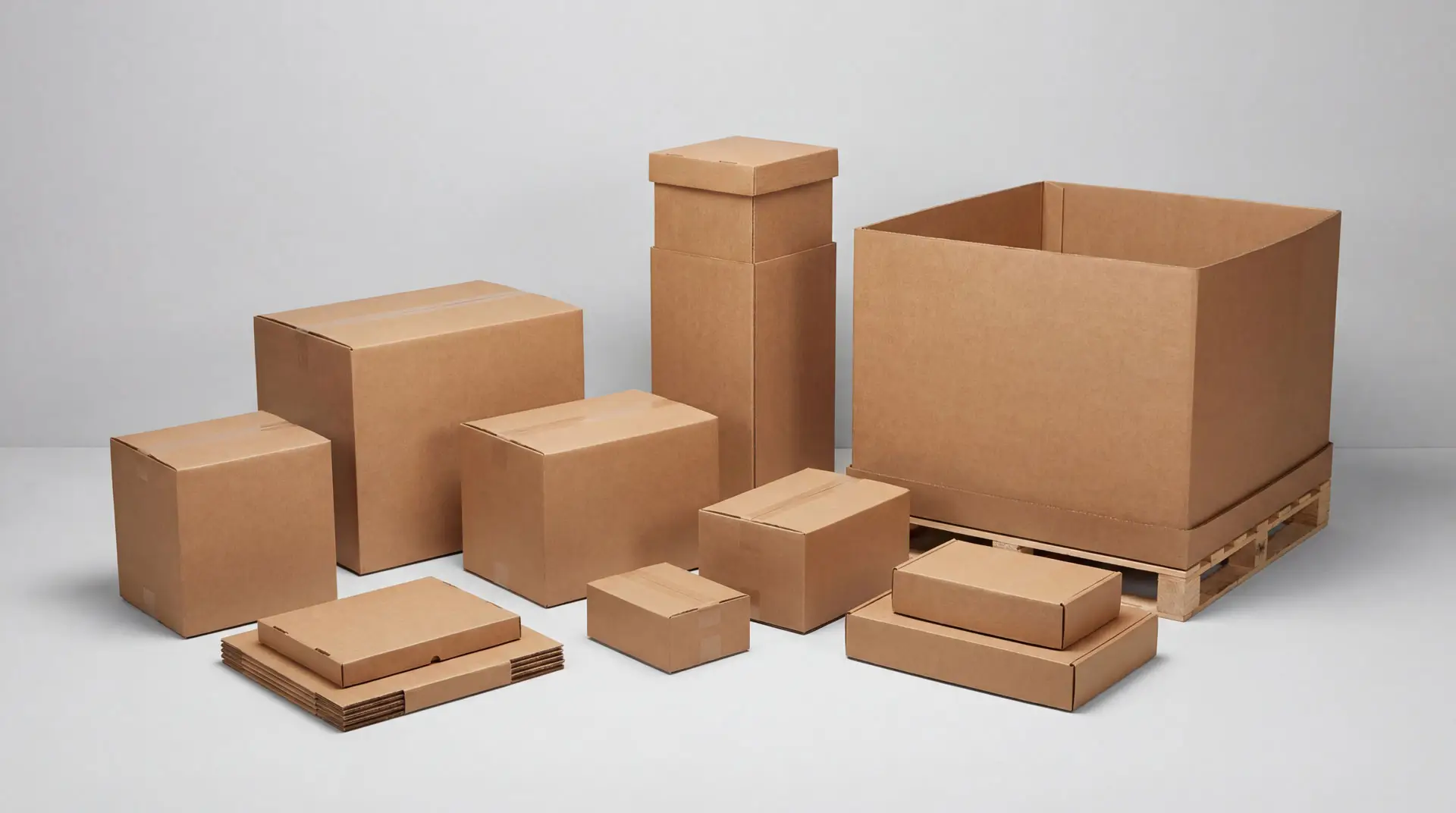
For larger-volume programs, reserve stock should remain in labeled cartons or separated by carton count until needed. This is often the most stable method for warehouses and multi-store distribution because it keeps sizes grouped, protects surface quality, and makes stock transfers easier to manage.
How to Protect Paper Bags from Dust, Compression, and Humidity
This is the part most stores overlook. Paper bags do not only get damaged by bad handling. They can also deteriorate gradually in poor storage conditions.
Humidity is one of the biggest risks. Multiple storage references recommend keeping paper bags in a cool, dry, ventilated environment and controlling moisture because damp conditions can reduce strength, cause deformation, and increase the risk of mold or surface damage. Some guidance recommends keeping relative humidity below about 50% to 60%, while others note that quality can drop significantly once humidity becomes too high.
Compression is another common issue. When cartons or loose stacks are piled too high, the lower layers can lose shape, especially around folds, handles, and bottom gussets. Storage guidance also warns against tight stacking and excessive top weight because it increases deformation and structural stress.
Dust and sunlight matter too. Dust makes bags look older before use, and direct sunlight can affect paper appearance and print quality over time. Storage guidance for paper bags and gift bags regularly recommends dry, clean, shaded storage away from direct light, water, and unstable temperature conditions.
A practical protection routine includes:
- storing bags off the floor
- keeping stacks clean and covered
- avoiding backroom areas near water or open windows
- limiting stacking pressure
- separating daily-use stock from reserve stock
- checking older reserve cartons before seasonal rotation
Storage Planning for Multi-Store Retail Programs
If you operate multiple stores, storage is not only a physical issue. It is a system issue.
The most efficient paper shopping bag programs usually rely on a standardized size set, clear labeling, and predictable replenishment. When your stores all use a defined group of bag sizes and bag types, storage becomes simpler. Counter staff know what to use. Backroom staff know what to reorder. Warehouse teams can allocate stock without repacking confusion.
This is where paper bag storage and procurement should connect. POZI’s plain paper shopping bag program already emphasizes standardized size sets, repeatable specs, and export-ready packing for bulk buyers. That same logic makes storage easier because the bags arrive in a format that supports sorting, reserve holding, and faster replenishment.
If you run chain stores, boutiques with seasonal packaging, or distributor programs, your storage system should answer four questions clearly:
- which bag sizes are daily-use items
- which bags are premium or seasonal stock
- how reserve stock is labeled
- when replenishment should move from warehouse to store backroom
When these points are unclear, bag waste rises and store presentation becomes inconsistent.
Paper Shopping Bag Supply and Storage Should Work Together
A good storage system starts with a good supply system. If your paper bags arrive in unstable sizes, inconsistent carton counts, or poorly protected master cartons, storage becomes harder from day one. On the other hand, when your bag program is standardized, labeled, and packed properly, backroom management becomes easier.
At POZI, we recommend treating storage as part of your packaging planning, not as a separate afterthought. That means:
- choosing practical size ranges
- standardizing plain and printed bag specifications where possible
- planning reserve stock around actual store usage
- using packing formats that protect bags during shipping and storage
- building smoother reordering cycles for daily-use and seasonal programs
This approach works especially well when paired with the right core bag products:
- plain paper shopping bags for daily retail use
- shopping paper bags with logo for brand visibility
- heavy duty paper shopping bags for heavier products
- luxury paper shopping bags for premium categories
Why Work With POZI on Paper Bag Programs
We do not only manufacture paper shopping bags. We help you build paper bag programs that are easier to use in real operations.
That means we think beyond printing and handles. We look at repeatable sizing, packing method, backroom logic, reserve stock, replenishment rhythm, and how your stores actually use the bags. This helps reduce confusion, improve consistency, and keep your paper shopping bag supply working more smoothly from warehouse to counter.
If your goal is not only to buy bags, but to manage them better across stores or stock cycles, this is where our support becomes more practical.
Frequently Asked Questions
How should paper shopping bags be stored in a retail backroom?
They should be stored in a clean, dry, well-ventilated area, sorted by size and type, and kept away from direct sunlight, water exposure, and excessive stacking pressure. Public paper bag storage guidance broadly supports this approach.
Should paper bags be stored flat or upright?
Both methods can work, but flat storage is generally better for keeping bags aligned and reducing bending or curling. Upright storage can be efficient for quick access if the bags are properly supported and clearly sorted. Public storage advice for paper bags also favors flat, protected storage to reduce creasing and deformation.
Can humidity affect paper shopping bag quality?
Yes. Excess moisture can weaken paper strength, soften structure, and increase the risk of deformation or mold. Several storage references specifically recommend dry conditions and controlled humidity for paper bag storage.
How do I sort multiple bag sizes more efficiently?
Use a standardized size system, separate daily-use stock from reserve stock, label cartons clearly, and avoid mixing plain, logo, and seasonal bags in the same storage section. This makes counter access and replenishment much faster.
How can I prevent handles and bag bottoms from deforming?
Avoid over-compression, keep stacks aligned, and do not overload the lower cartons or bag piles. Public storage guidance also advises against tight stacking and excessive pressure because it can deform paper bags.
Is it better to keep reserve stock in cartons?
Yes. For many retail and warehouse programs, labeled reserve cartons are one of the most stable ways to protect bags from dust, mixed sizing, and handling damage while making replenishment easier.
Tell Us About Your Paper Bag Program
If you are managing paper shopping bags across stores, stockrooms, or warehouse inventory, send us your current bag setup and we can help you make the supply side easier to manage.
To move faster, you can share:
- bag sizes you use most often
- plain or logo bag types
- approximate monthly volume
- number of stores or locations
- current storage problems
- whether you need daily-use stock or reserve-stock planning
We will help you build a paper shopping bag program that is easier to store, easier to replenish, and easier to keep presentable in daily retail use.