Carton Paper, Decoded — A Business-Ready Guide to Types, Uses, and Benefits
Use paperboard (chipboard/folding carton) for retail-ready cartons that need sharp folds, premium printing, and light-to-moderate protection. Use corrugated cardboard (fiberboard) for anything that must ship, stack, and survive parcel/LTL freight. Kraft is the workhorse fiber recipe that delivers a natural look and good tear strength across both families. Most brands win with a hybrid: paperboard inner carton or tray inside a corrugated shipper—clean presentation, low damage, easy recycling.
What Exactly Is “Carton Paper”?
In packaging, “carton paper” is an umbrella for paper-based boards used to form boxes and trays. It most often refers to paperboard (folding carton) but is also used broadly to talk about corrugated cardboard and kraft-based boards. All are made from wood pulp, often with recycled content, and all can be printed, cut, and folded to create structure around a product.
The Three Families You’ll Actually Buy
1) Paperboard (Folding Carton / Chipboard)
- What it is: Dense, single-ply board (typ. 8–24 pt ≈ 0.20–0.60 mm).
- Why people choose it: Crisp folds, high-fidelity printing (offset/digital), elegant shelf presence, efficient die-cutting.
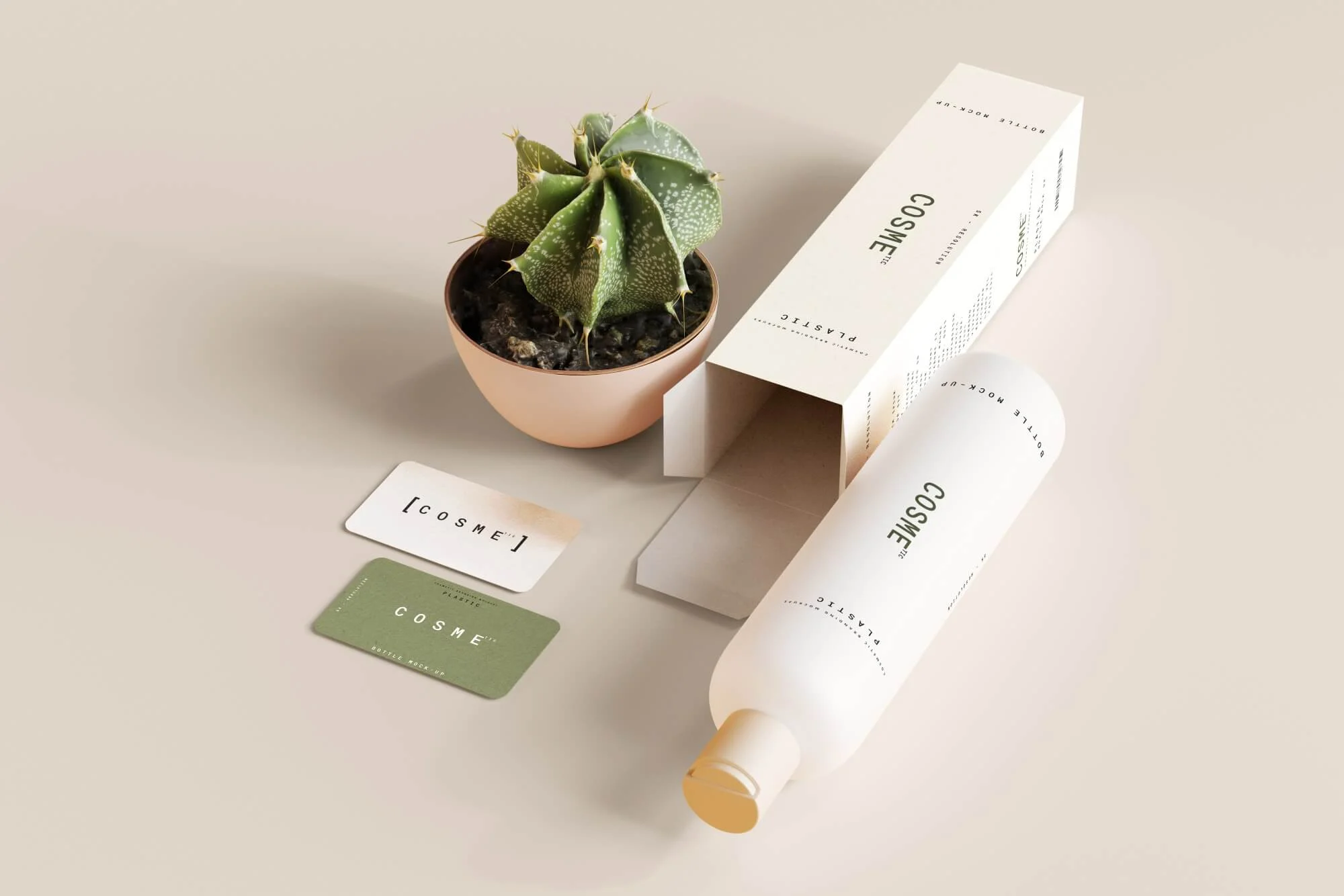
- Where it shines: Cosmetics, nutraceuticals, confectionery, premium sleeves, inner trays, dividers, cards.
- Limits: Minimal cushioning; not intended for heavy stacking or rough freight without a protective outer shipper.
2) Corrugated Cardboard (Corrugated Fiberboard)
- What it is: Fluted medium sandwiched between liners (E/B/C flutes, BC double-wall, and triple-wall for extreme loads).
- Why people choose it: Compression + cushioning, predictable stacking, excellent for parcel/LTL/pallet moves.
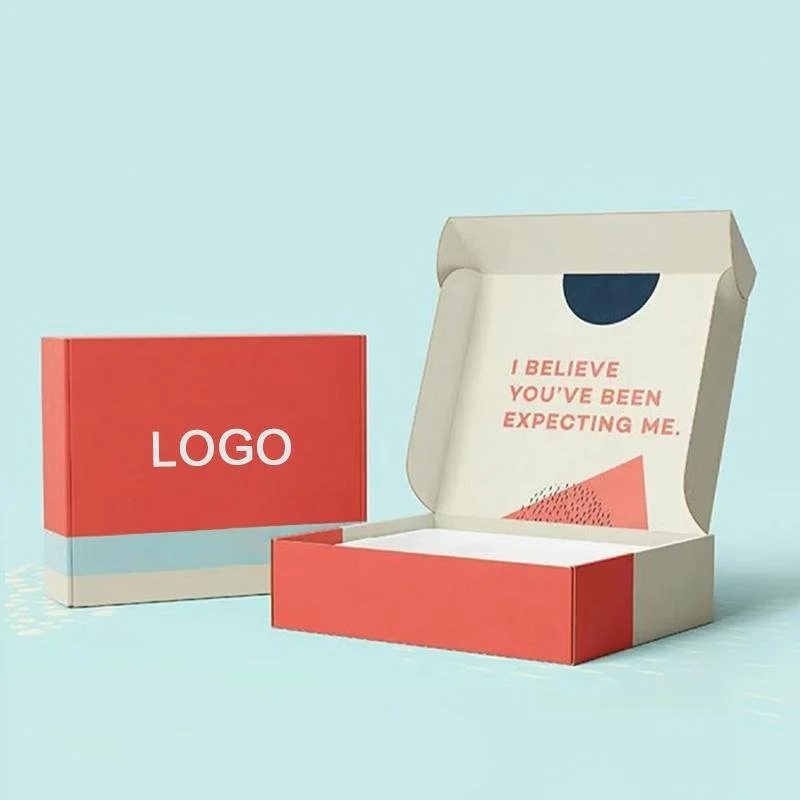
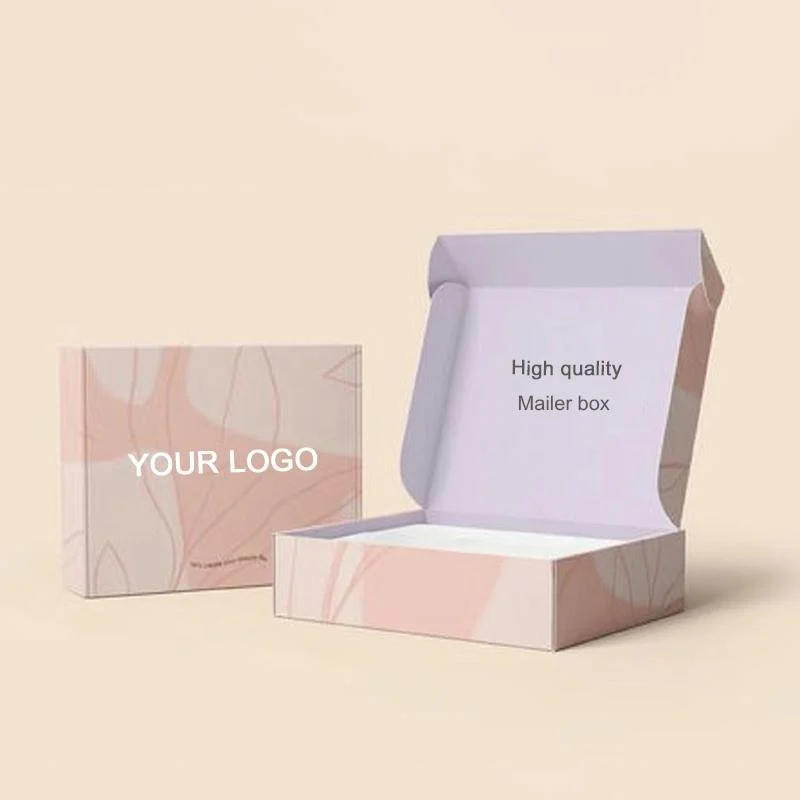
- Where it shines: Shippers, mailers, master cartons, heavy or fragile goods, long-haul and mixed freight.
3) Kraft (Unbleached Fiber Recipe)
- What it is: Brown, unbleached pulp used as a liner (corrugated) or as kraft paperboard.
- Why people choose it: Natural aesthetic, good tear strength, eco-lean message, widely recyclable.
- Where it shines: Bags, envelopes, simple cartons, rustic-look sleeves; kraft liners in corrugated shippers.
Specs that Matter (Without the Jargon Overload)
- Caliper (paperboard): 8–12 pt for sample sleeves; 14–18 pt for most retail cartons; 20–24 pt for premium or larger formats.
- Flute/grade (corrugated):
- E/F — thin profile, better print, light mailers.
- B/C — mainstream shippers (~32–48 ECT depending on weight/route).
- BC double-wall — large cubes, tall stacks, long spans; verify with compression (BCT) testing.
- Coatings: Prefer water-based, repulpable barriers for rub/short-term moisture; keep full film laminations for edge cases.
- Clearance & movement: Leave ¼–½ in (6–12 mm) per side for liners/inserts and airflow; aim for ≤3 mm product movement after close.
Chipboard vs Cardboard vs Corrugated — A Decision Matrix
| Dimension | Paperboard / Chipboard (Folding Carton) | Corrugated Cardboard (Fiberboard) |
|---|---|---|
| Strength & Cushioning | Low–Medium; relies on inserts | Medium–High; flutes absorb shock & carry stack load |
| Stacking / Time-Under-Load | Short stacks, retail handling | Built for stacking; choose ECT/BCT for lane & height |
| Printing & Shelf Appeal | Best-in-class (offset/digital, foil/emboss) | Good; heavier caliper can mute fine detail |
| Moisture Tolerance | Moderate; topcoats help | Better; liners + coatings; double-wall for harsh lanes |
| Unit Weight / Dim Weight | Very light | Heavier sheet, but protection per lb is efficient |
| Typical Uses | Retail cartons, sleeves, inner trays, pads | Shippers, mailers, master cartons, heavy/fragile |
| Recyclability | Widely recyclable (paper stream) | Widely recyclable (paper stream) |
Trigger an upgrade to double-wall corrugated or structural inserts when any side ≥ 24 in, packed weight ≥ 30–40 lb (13–18 kg), tall pallet stacks, or clamp-truck handling is expected.
Use
- Beauty gift set (light, premium look): Paperboard folding carton with foil + molded pulp tray, shipped inside a B/C-flute mailer.
- Small kitchenware (ceramic mug, 2-pack): Paperboard divider + C-flute shipper with corner pads; zero face-to-face impact.
- Electronics accessory kit: Paperboard carded tray + E-flute printed sleeve inside C-flute shipper; retail polish plus protection.
- Fresh produce (short haul): Vent-holed B/C single-wall with absorbent liner; for export/tall stacks, step to BC double-wall + top deck.
Design & Customization (Print, Finishes, Inserts)
- Print: Offset or high-res digital for paperboard; flexo/digital for corrugated.
- Finishes: Spot UV, foil, emboss/deboss—use one hero finish to manage cost and recycling clarity.
- Inserts (paper-first):
- Slot/Cross cards — jewelry, small kits.
- Corrugated pads/ribs — ceramics, tins, point-load control.
- Molded pulp trays — candles, food gifts, electronics cradles.
- Honeycomb pads/rails — large cubes/long spans to prevent bow.
Coatings, Sustainability & Recycling (Including Coated Cartons)
- Keep it mono-material: Box + insert in paper wherever possible; it’s curbside-friendly in most markets.
- Prefer water-based coatings: Repulpable varnishes and barriers maintain recyclability while adding rub/moisture resistance.
- If a film window is unavoidable: Make it small and removable; add a one-line note: “Remove film then recycle with cardboard.”
- Coated carton recycling (high-level steps):
- Check local guidance (programs vary).
- Empty & de-component (remove tapes/fitments).
- Pulping & screening separate fibers from coatings/inks.
- De-inking & washing clean the furnish.
- Re-sheeting into new paper products.
Compliance Checklist (Handy for Audits)
- Food-contact declaration & migration tests where applicable.
- Material specs: grade, flute, ECT/BCT, caliper (pt/mm), recycled content, coating type.
- Heavy metals & allergen statements if required by category/retailer.
- Traceability: lot codes and change-control.
- On-pack recycling cues: standardized icons + a clear, one-line instruction.
Quick Spec Hints (Fit & Sizing)
| Pack Type | Typical Board | Notes |
|---|---|---|
| Lipstick / Serum Carton | 14–18 pt paperboard | High print; add tuck locks; ship in E/B-flute mailer |
| Premium Sleeve / Rigid Insert | 20–24 pt paperboard | Stiffer hand-feel; pairs with corr shipper |
| DTC Mailer (small) | B-flute single-wall (~32–44 ECT) | Add top/bottom pads; H-tape seal |
| Appliance / Bulky Decor | BC double-wall (51–61+ ECT) | Honeycomb deck; strap channels; corner boards |
Always validate with compression, drop, vibration, and (if relevant) humidity cycling for your lanes.
FAQ
Is carton paper the same as cardboard?
“Carton paper” usually means paperboard (folding carton). Cardboard is a loose term—in shipping contexts it typically means corrugated cardboard.
Paperboard vs corrugated: which should I choose?
If it must ship and stack, corrugated. If it must sell on a shelf with premium print and the product is light, paperboard. Many programs use both together.
Is kraft better for the environment?
Kraft is unbleached and signals a natural look; both kraft and SBS/FBB paperboards can include recycled content and are widely recyclable. The bigger wins come from right-sizing and mono-material design.
Can coated paper cartons be recycled?
Often yes—when coatings are water-based/repulpable. Film laminations or foil areas should be minimized or made removable.
What’s the smartest first order?
A Spec Pack covering: one paperboard carton, one corrugated mailer, and two insert options. Pilot in real lanes, then lock the spec.
Get a Packaging Spec Pack (Good/Better/Best)
Send your item dimensions/weight, route (parcel vs LTL/pallet), and fragility/humidity notes. We’ll return three ready-to-buy options (paperboard caliper, corrugated flute/ECT, insert plan, sealing pattern) with cost deltas and a sampling timeline aligned to your launch.
Table of Contents