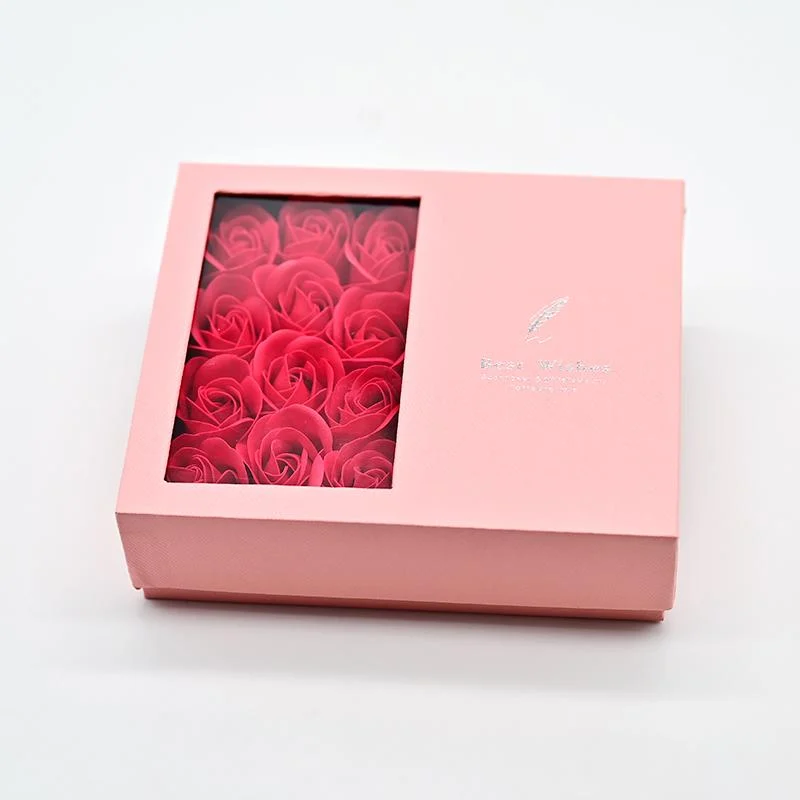
Cosmetics Box Packaging Design That Elevates Your Brand and Protects Every SKU
Your packaging is not “just a box.” In cosmetics, the box is your first product experience—before a customer ever sees the formula. The right cosmetics box packaging design helps you win shelf attention, reduce damage in transit, strengthen brand trust, and scale your line with consistent quality.
At POZI Packaging, you get an end-to-end partner: design support + custom paperboard folding cartons + printed product boxes + protective inserts, built by a packaging manufacturer in China with export-ready production workflows.
What Is Cosmetics Box Packaging Design?
Cosmetics box packaging design is the engineered combination of structure, materials, graphics, finishes, and protection that presents your beauty product, supports compliance labeling, and ensures your box performs in retail display and shipping.
A high-performing design balances four outcomes:
- Brand impact: recognition, premium feel, and differentiation
- Protection: scratch, crush, vibration, leakage risk mitigation
- Operational efficiency: packing speed, consistent folding/gluing, stable stacking
- Sustainability & cost control: right-sizing, material efficiency, and responsible sourcing (when required)
Design Priorities Beauty Brands Are Optimizing in 2026
Beauty brands are increasingly pressured to deliver packaging that is more sustainable, functional, and aligned with consumer values, while still keeping the “wow” factor and supporting online sales.
At the same time, market data repeatedly shows that price and product quality remain the dominant purchase drivers, so your packaging strategy must avoid “expensive sustainability” that customers do not reward at checkout.
What this means in execution:
- Invest in premium cues that customers can feel (paper texture, tactile coatings, clean typography).
- Use sustainability as smart engineering (right-sizing, reduced void, fewer mixed materials), not just marketing claims.
- Build designs that work in retail + eCommerce, because online shopping is not optional for beauty.
Cosmetics Box Styles That Fit Real Buyer Scenarios
Choosing the correct structure is your first “ROI decision.” Below are common box styles and when they win.
Tuck-End Folding Cartons (Most Scalable)
Best for: skincare cartons, serums, lotion bottles, cosmetic tubes
Why it works: cost-efficient, fast production, consistent automation compatibility
Upgrade path: emboss/deboss, foil, spot UV, soft-touch, custom inserts
Auto-Lock Bottom / Crash Bottom (Fast Packing, Heavy Items)
Best for: glass bottles, heavier jars, gift sets
Why it works: faster assembly and stronger base support in packing lines
Sleeve + Inner Tray (Premium Unboxing Without Over-Engineering)
Best for: premium skincare, influencer kits, seasonal launches
Why it works: premium reveal, easy branding separation (sleeve for art, tray for protection)
Rigid Gift Boxes (Flagship Premium)
Best for: hero products, PR sets, luxury launches
Why it works: the “high-end signal” is immediate; ideal for limited editions
Material & Board Selection (Where Quality Is Actually Decided)
If you want consistent luxury perception, material selection must match your product weight, channel, and finish plan.
Recommended decision logic:
- Lightweight SKUs (tubes, sachets): SBS / FBB paperboard, optimized caliper for stiffness
- Glass bottles or fragile formats: stronger board + engineered insert + edge crush considerations
- Gift sets: thicker board or rigid construction to prevent lid warping and corner collapse
Sustainable Packaging Options (Without Sacrificing Shelf Impact)
If your market requires sustainability claims, prioritize choices that remain “printable, protective, and scalable”:
- FSC-sourced paperboard options (where supply chain requires verified sourcing)
- Right-sized cartons to reduce shipping volume and void fill
- Insert optimization (reduce plastic, use paper-based structures where feasible)
FSC chain-of-custody is designed to verify that forest-based materials are credibly tracked through the supply chain, and FSC labeling requires compliance across the chain.
Practical takeaway: if you need FSC labeling, align material sourcing and documentation early—before artwork is locked.
Printing & Visual System: Make Your Box “Buyable in 3 Seconds”
Beauty shopping is fast. Your carton must communicate brand + benefit instantly.
Packaging design rules that convert:
- One dominant brand cue (logo shape, icon, or wordmark) visible on the front panel
- One primary claim line (not a paragraph), aligned with your hero benefit
- Clean hierarchy: brand → product name → variant → key benefit → required marks
Color and Finish Strategy
- Matte + minimal typography = modern premium
- Metallic accents = high visibility, but use selectively to avoid “over-designed” looks
- White space signals confidence and quality—especially in skincare
Finishes That Change Perceived Value (Without Changing Your Formula)
Finishes are where customers “feel the brand.” Common high-impact upgrades:
- Soft-touch lamination: luxury tactile feel, premium cue
- Spot UV: highlight logo or icon without clutter
- Hot foil stamping: premium accent, best for limited elements
- Emboss/Deboss: subtle high-end detailing; works well for minimalist designs
Execution note: always validate finishes against your real distribution channel. A finish that looks perfect in studio lighting may scuff in fulfillment if not engineered correctly.
Inserts & Protection Engineering (Because Damage Kills Reviews)
If your product is fragile, you do not have a “box problem”—you have a system problem (product + insert + shipper + handling).
Use inserts for:
- Immobilization: prevent movement that causes abrasion and leakage
- Drop mitigation: distribute shock away from closure and corners
- Premium presentation: keep items aligned, improve unboxing order
For transit performance, many brands benchmark packaging against standardized test approaches that simulate vibration and drops in distribution environments.
Accessibility: The Next Competitive Advantage in Beauty Packaging
Modern cosmetics packaging design is increasingly evaluated by how easy it is to use—not just how it looks.
Design features that improve usability:
- Easy-open structures (reduced resistance, intuitive opening direction)
- Non-slip tactile finishes to support grip
- Ergonomic proportions for one-hand handling (common in real-life routines)
Beauty brands have publicly emphasized packaging attributes such as easy to open/close and finishes that support a secure grip, reflecting broader accessibility expectations.
Practical takeaway: “accessible” design often improves convenience for everyone, which can increase repeat purchases.
Compliance Space Planning (Don’t Leave Labeling to the Last Minute)
Many export markets require specific information placement, readability, and permanence on packaging.
For the EU market, Article 19 of Regulation (EC) No 1223/2009 specifies that cosmetic products must be placed on the market only where container and packaging bear required information in indelible, easily legible and visible lettering, including responsible person details, nominal content, durability/PAO, precautions, batch reference, function, and ingredients list.
Design implication: allocate a dedicated “regulatory panel” early in your dieline so your brand design never fights compliance text.
A Practical Decision Table You Can Use Before Sampling
| Your Goal | Best Structure | Material Direction | Print/Finish Direction | Insert Strategy |
|---|---|---|---|---|
| Mass retail scale | Tuck-end carton | Standard paperboard, optimized stiffness | 4C + matte/anti-scuff | Optional, paper insert for stability |
| Premium skincare launch | Sleeve + tray | Higher caliper board | Soft-touch + spot UV / minimal foil | Molded tray or paper-engineered insert |
| Glass bottle protection | Auto-lock bottom | Stronger board + edge strength | Anti-scuff laminate | Custom insert + immobilization |
| Gift set / PR kit | Rigid or sleeve system | Rigid board wrap | Foil + emboss + premium textures | Multi-slot tray, unboxing sequence |
Production Workflow (How to Reduce Rework and Launch Faster)
A reliable workflow avoids costly iteration and delays:
- Dieline engineering to match your product dimensions and packing flow
- Artwork preflight (bleed, overprint, barcode clarity, finish layers)
- Sampling with real materials and real finishes (not “close enough” substitutes)
- Pilot run checks: color consistency, crease accuracy, glue strength, scuff resistance
- Bulk manufacturing with process checkpoints and packing validation
Your advantage: you control risk before you scale.
Customization Options (What You Can Specify)
POZI supports customization across the full packaging system:
- Box size, structure, opening style, locking method
- Paperboard grade/caliper, texture, sustainability options
- Printing: CMYK, Pantone matching approach, inside print
- Finishes: matte/gloss, soft-touch, foil, emboss/deboss, spot UV
- Inserts: paperboard partitions, molded trays, multi-SKU layouts
- Secondary packaging: shipping cartons, sets, bundling configurations
- Multi-language packaging layouts for export markets
RFQ Checklist (Send This to Speed Up Quotation)
Provide these inputs and you will get a faster, more accurate quotation:
- Product type + bottle/jar/tube dimensions (with tolerances)
- Target box structure (or intended retail/eCommerce channel)
- Estimated order volume per SKU and launch timeline
- Artwork status (ready / in progress) + color requirements
- Finish requirements (soft-touch, foil, emboss, anti-scuff)
- Insert requirement (yes/no) + protection target
- Destination country/region and compliance text needs
FAQ
What’s the best box type for skincare?
For most skincare SKUs, tuck-end folding carton packaging is the best balance of cost, print quality, and scalability. Upgrade with finishes and inserts only where they improve conversion or reduce damage.
How do I make my cosmetic packaging look luxury on a controlled budget?
Use fewer “expensive elements,” but apply them precisely: soft-touch + a single spot UV or minimal foil accent often outperforms complex, cluttered designs.
Can you help with sustainable packaging without weakening the box?
Yes. Sustainability is best achieved through right-sizing, material efficiency, and smart inserts, not by weakening structure. If FSC labeling is required, sourcing and documentation must be planned early.
What should I prioritize for eCommerce cosmetics shipping?
Prioritize immobilization and drop/vibration resilience through insert engineering and robust structure selection. Transit hazards are commonly simulated through lab test standards that include vibration and drops.
How do I avoid compliance surprises for EU shipments?
Reserve a regulatory panel on the dieline early. EU cosmetics rules specify required information and readability expectations on packaging and container.
Visual Guide (Recommended Page Assets)
Add visuals to improve conversion and time-on-page:
- Hero image: premium cosmetics folding carton + insert (open box, product visible)
- Finish close-ups: soft-touch, spot UV, emboss, foil comparison
- Structure diagram image: tuck-end vs auto-lock bottom vs sleeve
- Unboxing sequence: 3-step photo strip (sleeve pull → tray reveal → product hold)
- Protection demo: insert holding a glass bottle (side and top view)
ALT text suggestions (SEO-ready):
- “cosmetics box packaging design with custom insert for glass bottle”
- “custom paperboard folding cartons for skincare packaging”
- “printed product boxes with soft touch lamination and foil logo”
- “folding carton packaging for cosmetic gift set sleeve and tray”
- “sustainable packaging option for beauty carton with FSC paperboard”
If you are planning a new cosmetic line, a seasonal launch, or a packaging refresh, you should lock structure and compliance space first—then finalize artwork and finishes.
Send your SKU list and target market, and POZI will propose a practical packaging route: structure + materials + finish stack + insert protection options—built for shelf impact and stable bulk production.
Table of Contents