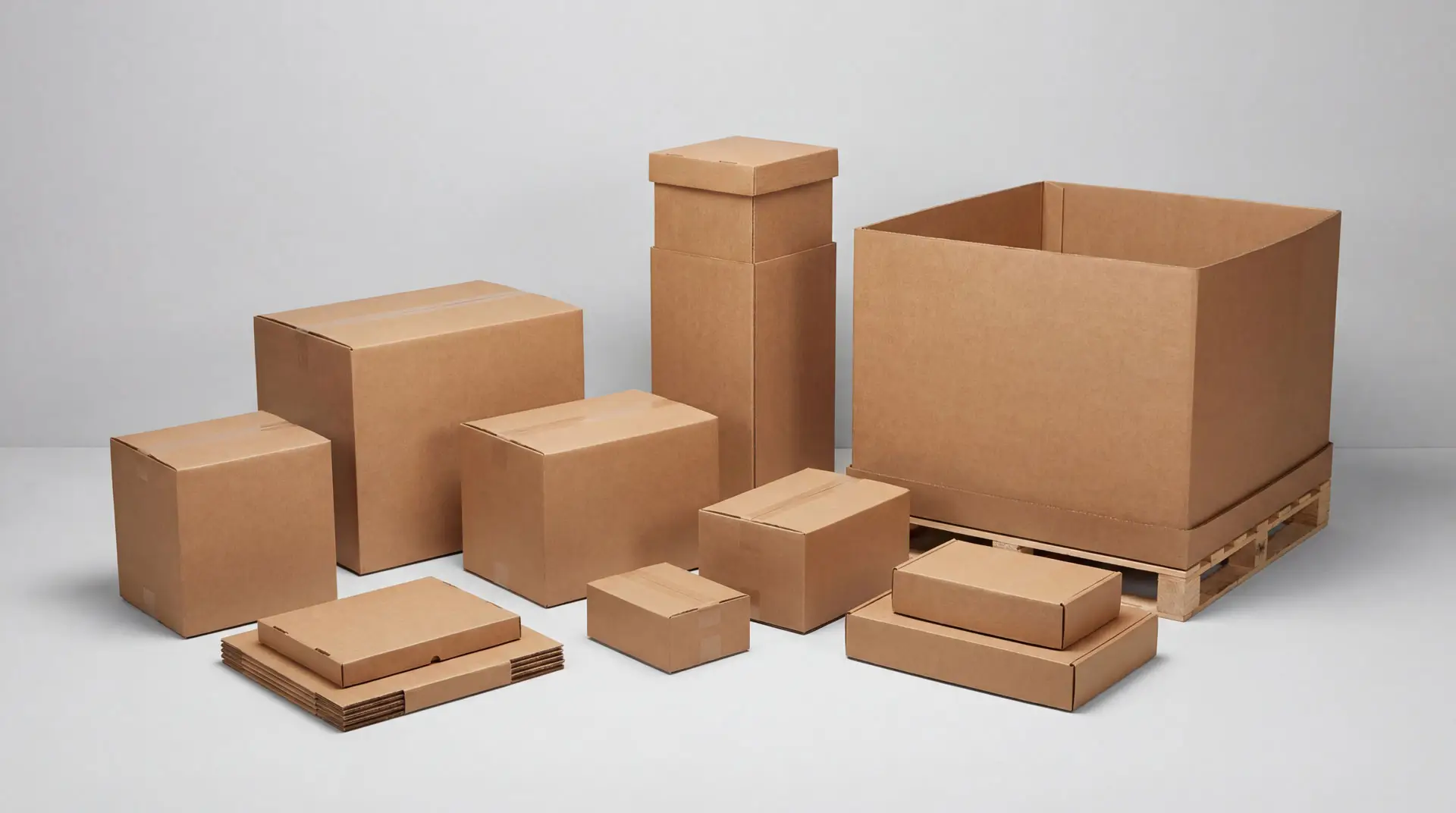
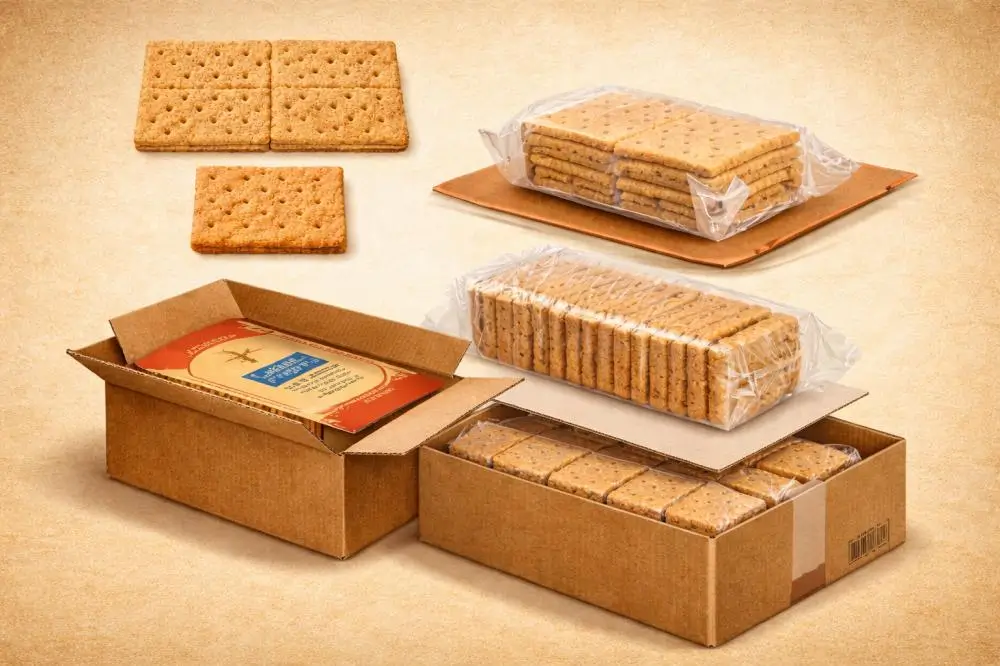
Folding cartons remain one of the most widely used packaging formats across retail, food, cosmetics, and pharmaceutical markets. While carton designs and graphics are highly visible to end users, the real differentiator lies behind the scenes—in how folding cartons are produced. For brands and packaging buyers, understanding folding carton production is no longer optional. It is a critical step in evaluating quality, reliability, and long-term supply stability.
This article examines folding carton production from an industry perspective, explaining how modern manufacturing systems work, which production stages matter most, and why production capability directly affects packaging performance.
What Does Folding Carton Production Involve?
Folding carton production is a multi-stage manufacturing process that converts paperboard into finished, ready-to-use cartons through a series of tightly controlled operations. It is not a single task, but a systematic production workflow where material selection, printing accuracy, structural precision, and assembly consistency must work together.
Each stage of production influences the next. Errors introduced early—such as material inconsistency or print instability—can magnify downstream, affecting structural integrity, packing efficiency, and final appearance. For this reason, folding carton production is best understood as an integrated manufacturing system rather than isolated processes.
Key Stages in the Folding Carton Production Process
Paperboard Selection and Material Preparation
Folding carton production begins with paperboard selection. Board grade, thickness, fiber composition, and coating properties all affect how the carton performs during printing, die-cutting, folding, and end use.
Inconsistent paperboard can lead to color variation, cracking at fold lines, or unstable carton structures. Reliable production systems focus on material consistency across batches to ensure predictable behavior throughout the manufacturing process.
Printing and Color Control
Printing is one of the most visible stages of folding carton production and one of the most technically sensitive. Color consistency, registration accuracy, and ink adhesion must be maintained across long production runs.
Variations in press calibration, ink formulation, or board surface can result in noticeable color shifts. Professional folding carton production environments emphasize process control, press standardization, and continuous monitoring to maintain visual consistency, particularly for brand-driven packaging.
Die-Cutting and Structural Accuracy
Die-cutting defines the final carton structure. Precision at this stage determines whether cartons fold cleanly, assemble efficiently, and maintain dimensional accuracy.
Even minor deviations in die-cutting can cause misalignment, weak locking mechanisms, or difficulties during packing. High-quality folding carton production relies on accurate tooling, controlled pressure, and regular inspection to ensure structural repeatability.
Folding and Gluing Operations
The folding and gluing stage converts flat die-cut blanks into functional cartons. This step is critical for maintaining carton strength and usability.
Modern folding carton production often uses automated gluing lines to achieve consistent fold angles, adhesive placement, and bonding strength. Stable folding and gluing operations reduce failure rates during packing and improve performance in transportation and handling.
How Folding Carton Production Impacts Final Packaging Quality
The quality of a folding carton is not determined by a single factor, but by how consistently the entire production process is managed. Two cartons may appear identical at first glance, yet perform very differently in real-world conditions.
Production stability affects:
- Ease of carton erection during packing
- Structural strength during stacking and transport
- Visual consistency across batches
- Compatibility with automated filling and sealing systems
When folding carton production is tightly controlled, cartons behave predictably. When it is not, even small inconsistencies can lead to delays, damage, or increased operational costs.
Production Scale and Consistency in Folding Carton Manufacturing
Production scale is not simply about output volume. In folding carton production, scale introduces complexity. Managing large orders, multiple designs, or frequent changeovers requires robust systems rather than manual adjustments.
Consistent production across different order sizes—whether small batches or high-volume runs—demands standardized workflows, trained operators, and stable equipment performance. For buyers, production consistency is often more valuable than maximum capacity, especially in long-term supply relationships.
Quality Control in Folding Carton Production
Quality control in folding carton production extends beyond final inspection. Effective quality systems monitor critical control points throughout the manufacturing process.
Key quality considerations include:
- Material inspection before printing
- In-process checks during printing and die-cutting
- Structural verification after folding and gluing
- Batch-level consistency reviews before shipment
By controlling quality at each stage, manufacturers reduce variability and prevent defects from reaching the final product.
Folding Carton Production for Different Industry Requirements
Different industries place different demands on folding carton production.
In retail packaging, visual consistency and structural reliability are critical for shelf presentation.
In food and beverage, production must align with hygiene standards and labeling accuracy.
In cosmetics and personal care, premium appearance and precise finishing are essential.
In pharmaceutical packaging, consistency, traceability, and regulatory alignment are primary concerns.
Effective folding carton production adapts processes to meet these varying requirements without compromising efficiency or stability.
Why Understanding Folding Carton Production Matters for Buyers
For packaging buyers, understanding folding carton production is a strategic advantage. It improves communication with suppliers, reduces misalignment during development, and helps identify potential risks before they impact supply.
Buyers who understand production constraints can make more informed decisions about design complexity, lead times, and cost expectations. In contrast, treating folding carton production as a black box often leads to avoidable delays and quality issues.
Final Thoughts: Folding Carton Production as a Manufacturing System
Folding carton production is best viewed as a manufacturing system, not a single operation. Material control, printing accuracy, structural precision, and assembly consistency all contribute to final carton performance.
As packaging demands continue to evolve, brands that understand how folding cartons are produced are better positioned to select reliable partners, manage risk, and maintain consistent packaging quality. In modern packaging supply chains, production knowledge is not just technical—it is strategic.