How Many Golf Balls Are in a Box?
- Standard retail count: 12 balls (a dozen)
- Sleeve: 3 balls → 4 sleeves = 1 dozen
- Other commercial counts: 2 / 6 / 15 / 18 / 24 / 36 depending on channel, promo, and price ladder
Why it matters: counts drive shelf footprint, price points, replenishment cadence, and your packaging spec (materials, inserts, master shippers, and pallet plan).
1) Count → Format: What Each Pack Looks Like (with use cases)
| Pack | Typical Format | Primary Channels | Why brands use it |
|---|---|---|---|
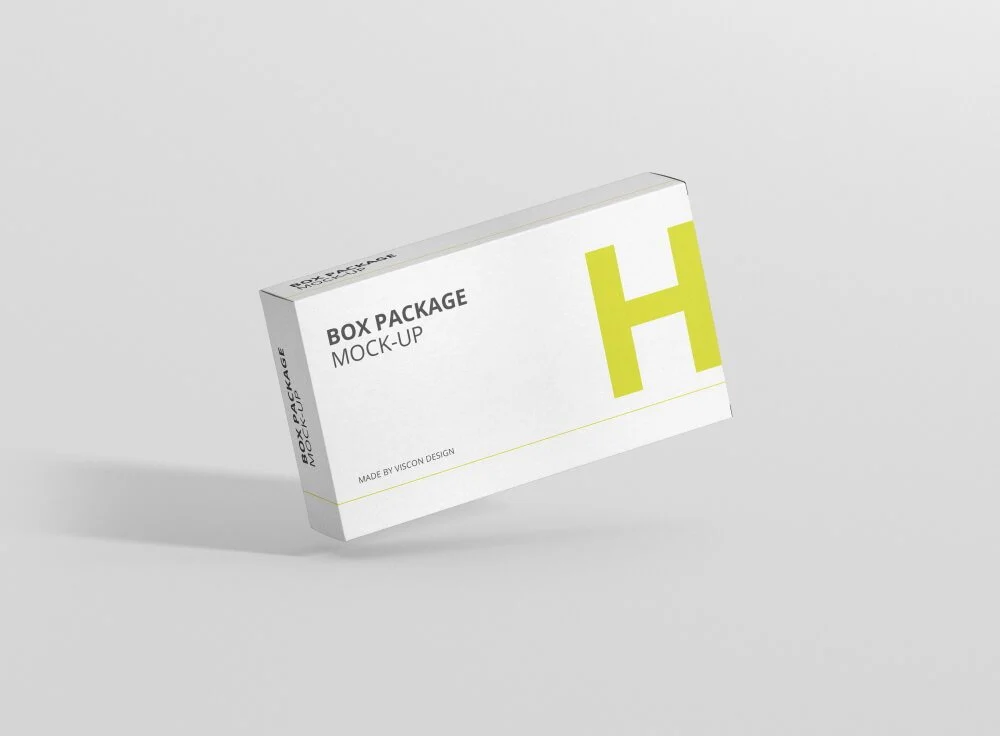
| 2-Ball | Slim sleeve (paperboard) | Tournaments, corporate gifts, trial | Low entry price, easy gifting |
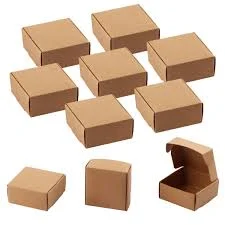
| 3-Ball Sleeve | Rectangular folding carton | Pro shops, retail, DTC | Top-up between rounds; fits pockets of a dozen |
| 6-Pack (Half Dozen) | 2 sleeves or tray | DTC bundles, small retailers | Mid ticket; good for beginners |
| 12-Ball (Dozen) | 4 sleeves or 12-ball tray in a box | Core retail & online | Category standard; optimal shelf:price ratio |
| 15 / 18 / 24 / 36 | Multi-sleeve or tray in master box | Clubs/wholesale, seasonal promos | Value perception; fewer replenishment touches |
Sleeve vs Tray dozen:
- 4-Sleeve Dozen = fast packout, modular replenishment, familiar unboxing.
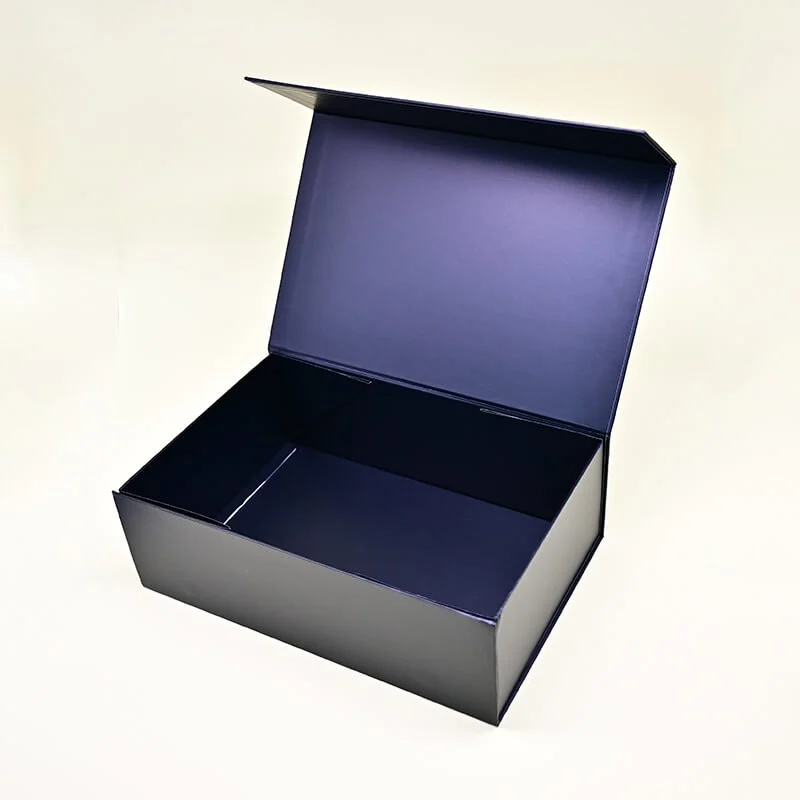
- 12-Ball Tray Dozen = stronger on visual presentation; great for premium sets and gift configurations.
2) Dimensional Planning & Fit (so you order once, not twice)
Ball geometry: official diameter ≈ 1.68 in (42.67 mm). Build internal fits from this baseline.
Clearance targets (inside the inner pack):
- Cross-section clearance per side: 0.10–0.20 in (2.5–5 mm)
- Longitudinal allowance: 0.06–0.12 in (1.5–3 mm) per ball + end-cap/insert thickness
- Post-close movement ≤ 3 mm in any direction
Working ranges (typical, vary by insert & board):
- 3-Ball sleeve (internal): ~1.75–1.85 in × 1.75–1.85 in × 5.10–5.30 in
- 4-Sleeve dozen box (external): commonly ~7.2–7.8 in × 5.0–5.6 in × 1.7–2.2 in
- 12-Ball tray dozen (external): commonly ~7.2–8.0 in × 5.0–5.8 in × 1.8–2.4 in
How to confirm: send us the exact ball diameter and your insert choice (paperboard divider / molded pulp / corr pad). We will supply dielines and a cut-and-fold white sample to verify fit before artwork.
3) Inserts & Protection (what actually prevents damage)
- Paperboard divider (slot/cross cards): light, mono-material, fast to load; best for sleeves & tray dozens.
- Molded pulp cradle: premium feel, high stability; excellent for gift sets and DTC where presentation matters.
- Corrugated pads/ribs: add edge protection and span stiffness; useful inside value/bulk packs.
- End-cap discs: reduce end-crush in sleeves and long cartons.
- Performance rule: design for ≤3 mm residual movement and pass a drop sequence (edge/corner/face) at packed weight.
4) Materials & Board Grades (inner cartons and shippers)
Inner retail packs (sleeves / dozen boxes):
- Paperboard (folding carton / chipboard)
- 14–18 pt (≈0.36–0.46 mm): standard sleeves & dozen outers
- 20–24 pt (≈0.50–0.60 mm): premium dozen outers, gift sleeves, windowed styles
- Coatings: water-based matte/gloss/soft-touch; keep repulpable to retain recyclability
Transit shippers (outer corrugated):
- B/C flute single-wall (≈32–44 ECT): parcel dozen shippers, small mixed orders
- C flute 44–48 ECT: heavier orders, regional LTL
- BC double-wall (51–61+ ECT): club/value packs, tall pallets, clamp-truck handling
- Add-ons: strap channels, corner boards, honeycomb top decks for tall stacks
Sealing: H-tape top & bottom; double-tape bottoms for heavier value packs; reinforced WAT for long haul.
5) Printing, Finishes & Brand Architecture (sell the dozen at first glance)
- Color: CMYK + Pantone; color-managed proofs for brand families (soft-touch black vs gloss white SKU splits).
- Finishes: foil, emboss/deboss, spot UV, texture varnish—use one hero finish per SKU to manage cost and yield.
- Windows & thumb-notches: show the ball without over-exposing; make films small & removable to keep the pack recyclable.
- Barcodes & compliance zones: keep a tape-free, flat panel for UPC/EAN; add country of origin and recycling icons.
- Series logic: design sleeves to tile; ensure 4 sleeves create a coherent billboard when placed in a dozen box.
6) Sustainability & End-of-Life (credible, not performative)
- Mono-material paper (carton + insert) wherever possible.
- Water-based, repulpable coatings to retain recyclability.
- On-pack guidance: one-line instruction—“Recycle with cardboard”; if a window is used, print “Remove film, then recycle.”
- Right-sizing beats everything: less air = lower freight emissions, fewer void fills, cleaner recovery.
7) Logistics: Master Shippers & Pallet Patterns (keep costs in line)
Master shipper planning:
- Dozens per master: common ranges 6 / 12 / 24 depending on channel and weight target
- Sleeves per master: 24–96 sleeves depending on planogram and pick-face needs
- Dim weight control: right-size height; add strength via rails/posts/pads, not empty space
Palletization (NA 40×48″, EU 1200×1000 mm):
- Lock layer counts to footprint; avoid overhang to protect edges & barcodes
- Corner boards + top deck for tall stacks; request top-load for premium gift sets
- Place label panels outward; no tape over barcodes
8) Assortment & Price Ladder (how counts support revenue)
- Entry & promo: 2-ball sleeves (events) → easy trial & gifting
- Core velocity: 3-ball sleeves & dozens → predictable replenishment, clean shelf math
- Value tiers: 15/18/24/36 → warehouse clubs & holiday programs; lower pick cost, bigger baskets
- Trade-up logic: use finishes + insert upgrades to create good/better/best without re-tooling the footprint
9) Compliance Checklist (retail & audit-ready)
- Material specs: paperboard caliper (pt/mm), corrugated flute + ECT/BCT, recycled content, coating type
- Markings: UPC/EAN, COO, any channel-specific icons (e.g., “Frustration-Free” equivalents if requested)
- Testing: compression (time-under-load), drop, vibration; humidity cycling for long LTL/export
- Traceability: lot codes; change-control on coatings and liners
10) How to Brief Pozi Packaging (what we need to move fast)
- Count & format — 3-ball sleeve / 12-ball (4-sleeve or tray) / 15–36 value pack
- Ball diameter & model family — standard 1.68″ or variant; any dimple/finish notes impacting inserts
- Insert choice — paperboard divider / molded pulp / corr pad (we’ll advise Good/Better/Best)
- Channel & route — pro shop / chain retail / DTC; parcel vs LTL/pallet; expected stack height
- Brand & compliance — print finishes, windows, barcodes, retailer guidelines
Deliverables: dielines, white samples, Good/Better/Best specs (materials, ECT, inserts, sealing), test plan, and a production timeline matched to launch.
FAQ
How many golf balls are in a standard box?
Twelve. A sleeve has three, and four sleeves make a dozen. Brands also run 2/6/15/18/24/36 for promos and clubs.
What are typical sleeve dimensions?
Internals are commonly around 1.75–1.85 in × 1.75–1.85 in × 5.10–5.30 in, but final size depends on your insert and board caliper. We confirm with a white sample before artwork.
Do you print logos on the balls themselves?
We specialize in packaging. We coordinate fits with your ball printer or introduce partners if needed.
Can the packaging be fully recyclable?
Yes—use mono-material paper (carton + insert) and water-based coatings. If you add a window, choose a removable film and print a disposal note.
What board grades should we plan for?
- Paperboard 14–18 pt for sleeves & standard dozens; 20–24 pt for premium.
- B/C single-wall corrugated for parcel shippers; BC double-wall for club/value packs and tall pallets.
MOQs and lead times?
Flexible MOQs via partner factories. Timelines depend on finishes and shipping mode; we include a schedule in your Spec Pack.
Get Your Golf Ball Packaging Spec Pack
Send count, ball diameter, insert preference, channel, and route. We’ll deliver dielines, materials, finishes, and a test-ready plan so you can launch a retail-clean, freight-smart, fully branded program.