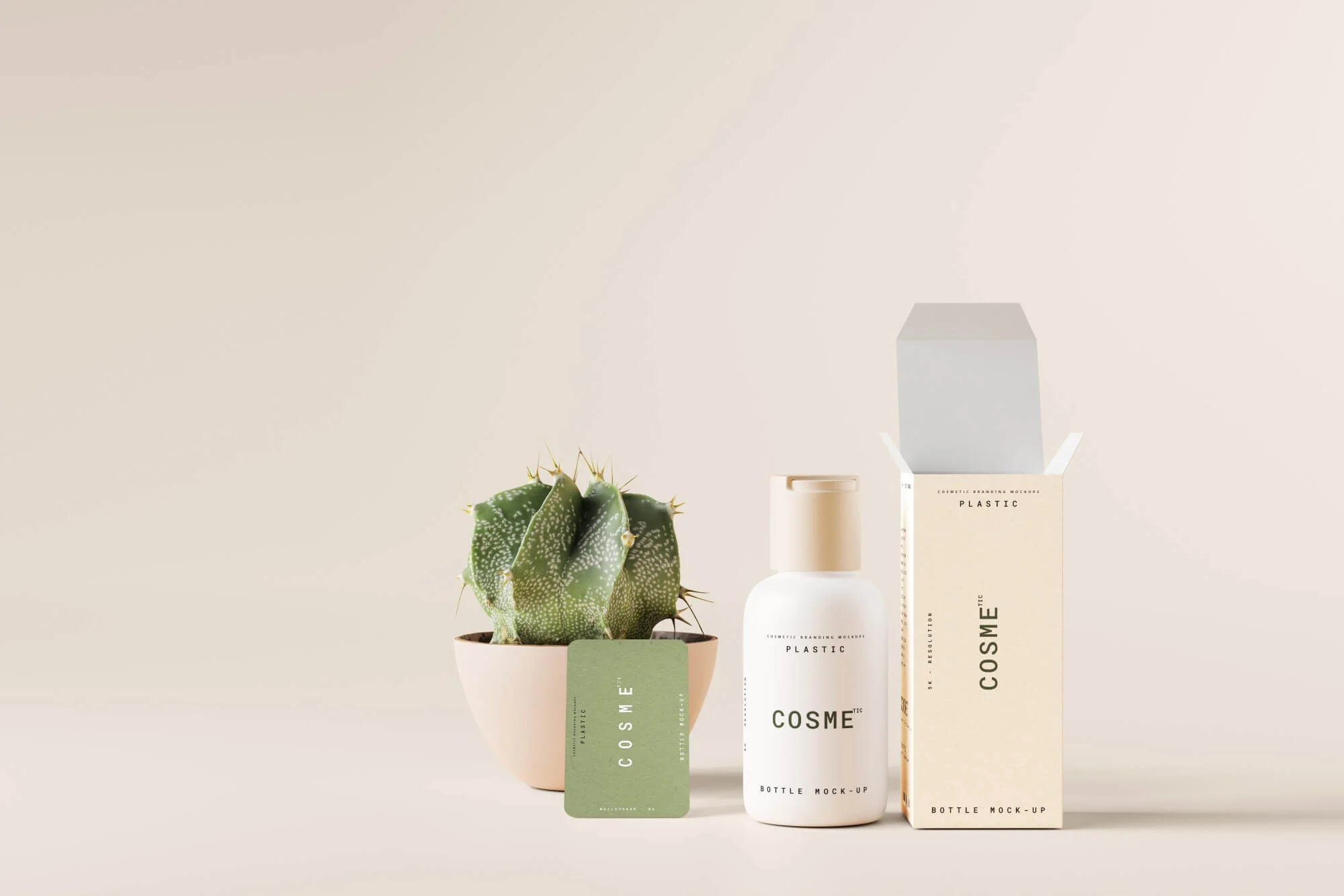
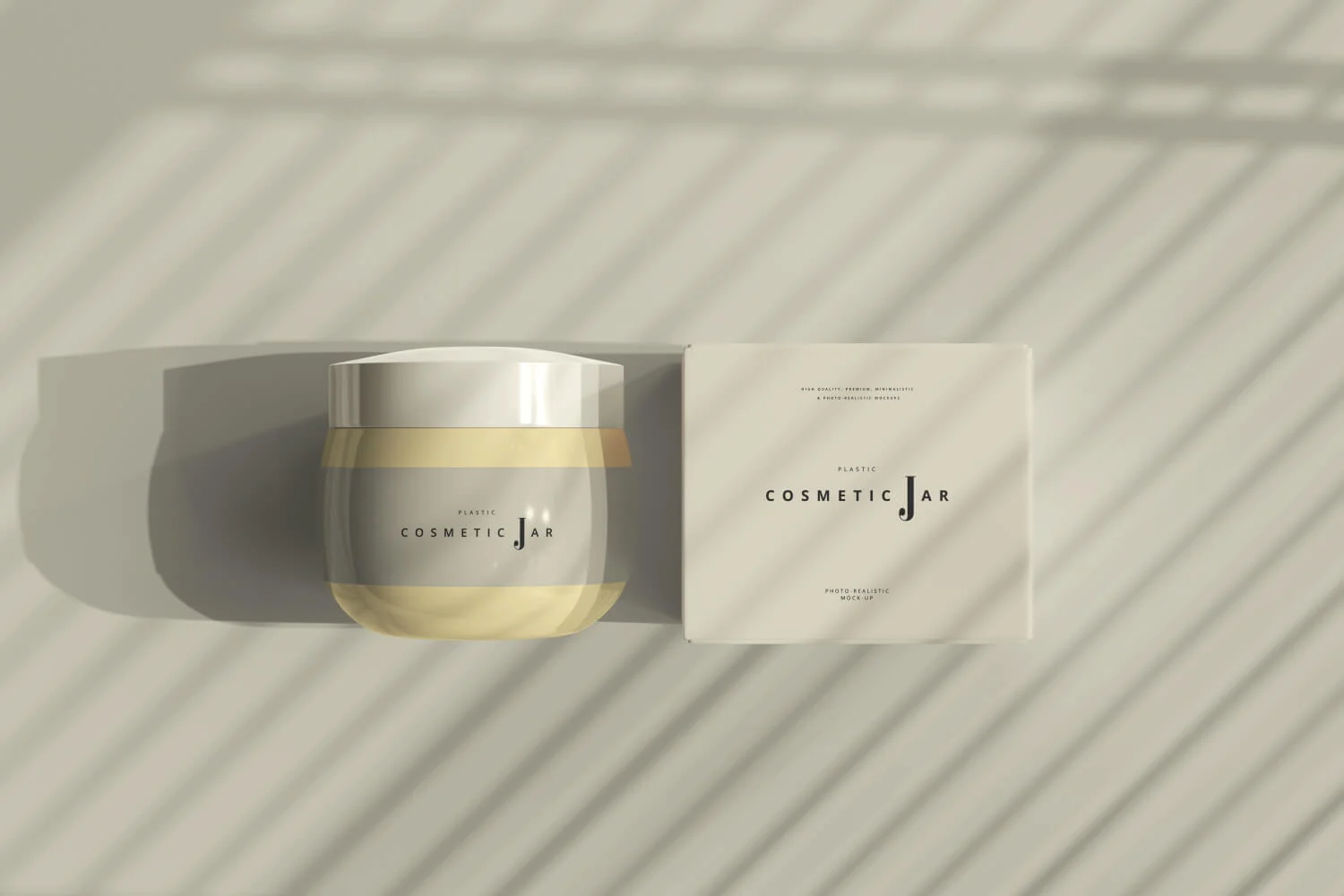
Paper tube cosmetic packaging is no longer a niche format. For many beauty brands, it solves three commercial problems at once: it delivers a premium unboxing feel, supports sustainability positioning, and protects products across retail shelves and eCommerce shipping.
But “paper tube” is not one product. In real projects, the outcome is decided by the format you choose (rigid tube, push-up tube, or paper jar), the barrier strategy (oil/moisture/fragrance), and the internal retention plan (insert vs no insert). This news guide helps you make those decisions quickly—using buyer-friendly language, while still being production-ready.


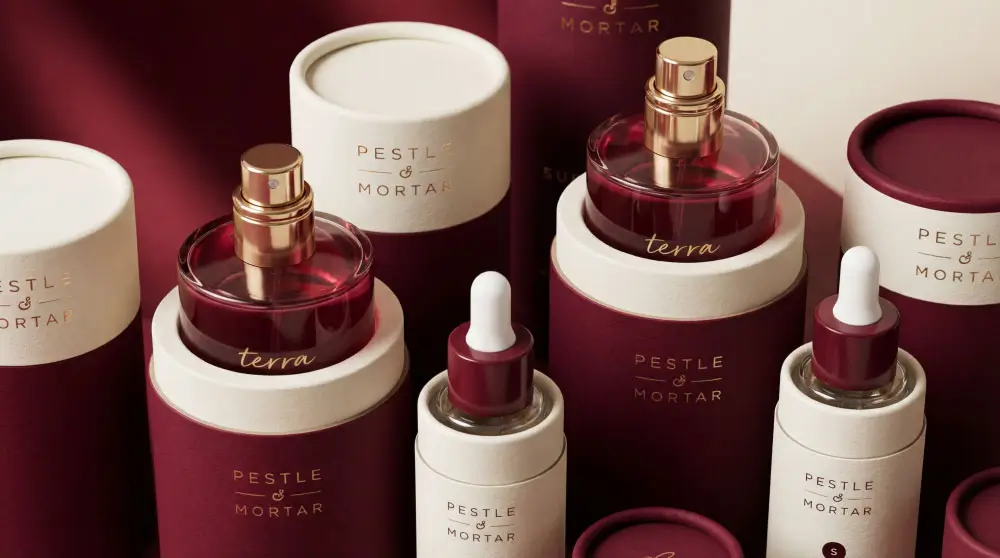

Quick Match Table: Which Paper Tube Format Fits Your Cosmetic Product?
Use this table to align your product type with the correct tube structure before you start artwork.
| Your Product | Best Paper Tube Format | Why It Works | Typical Add-Ons |
|---|---|---|---|
| Glass bottle (serum, essential oil) | Rigid paper tube box (two-piece tube) | Strong presentation and good crush resistance; premium shelf impact | EVA/foam insert, paperboard insert, die-cut holder, label seal |
| Skincare jar (cream, balm) | Rigid tube (outer tube for jar) | Adds a premium “gift-ready” layer and protects jar surfaces | Inner holder, divider, soft-touch finish |
| Solid deodorant / solid perfume | Push-up paper tube | Direct application format; plastic-reduction story is clear | Oil-resistant lining, smooth push-up mechanism, tight cap fit |
| Lip balm / ointment stick | Push-up paper tube | Lightweight, portable, retail-friendly | Oil-resistant lining, tamper cue, matte label |
| Mini sets / travel kits | Rigid tube with compartments | Strong unboxing + organized kit layout | Multi-cavity insert, printed inner wrap |
| Samples / trial sizes | Paper jar or mini push-up tube | Easy merchandising and low shipping weight | Lining choice, label-friendly surface |
What Makes Paper Tube Cosmetic Packaging Work
Paper tube packaging performs best when you treat it as a system: structure + barrier + retention + finish. Most failures happen when one of those pieces is missing.
When paper tubes are a strong fit
Premium perception without heavy complexity
A rigid paper tube delivers a “high-end” feel through shape, tactile paper, and clean graphics. For beauty, that premium cue can be achieved without moving to rigid setup boxes.
Brand storytelling space
You get 360° surface area for artwork. Many brands use the tube as the primary “billboard” and keep the inner container minimal.
Sustainability messaging with real substance
Paper-based packaging can support sustainability narratives, especially when the structure avoids unnecessary mixed materials. The key is to be specific about what your format actually achieves.
Where projects commonly fail
Barrier assumptions (oil/moisture/fragrance)
Solid formulas, oils, and fragrance components can migrate. If your tube has no barrier plan, you risk staining, softening, odor transfer, or a weakened structure over time.
Fit and friction issues
A lid that is too tight becomes frustrating. Too loose feels cheap and increases scuff and dust risk. Fit must be specified intentionally (snug vs easy open).
Shipping reality (crush + vibration)
Rigid tubes are strong for presentation, but shipping still needs retention. If the product can move inside the tube, you may still see damage, leakage, or label abrasion.
Sizing Guide: How to Specify Diameter, Height, and Fit Without Trial-and-Error
Paper tubes look simple, but sizing is where cost and lead time are won or lost. You do not need “standard sizes” to make a fast decision—you need the right measurement inputs.
What to measure for a rigid paper tube box
Inner diameter (ID)
Use the largest footprint of the product (including cap, pump collar, or label bulge). Add clearance based on whether you want snug retention or easy pull-out.
Inner height
Measure product height plus a safety margin for top/bottom cushions, insert thickness, and comfortable finger access.
Fit feel
Define whether your preference is “tight premium fit” or “quick open/close.” This controls lid tolerance and user experience.
What to measure for push-up paper tubes
Fill volume and stick dimensions
Push-up tubes must match the product’s stick diameter and height. The push mechanism and cap engagement require consistent tolerances.
Formula behavior
Some formulas are more oily or temperature-sensitive. This affects lining requirements and the safety margin you should design into the tube.
Inner Liners and Resistance: Oil-Resistant / Moisture-Resistant Options for Balms and Deodorants
If your project includes lip balm, deodorant, solid perfume, or oily skincare sticks, your tube needs a barrier strategy.
When an oil-resistant lining is necessary
You typically need an oil-resistant solution when:
- The formula contains oils that can migrate into paper fibers
- The product remains in contact with the tube wall for long periods
- The market expects a clean tube interior with no staining
How lining choices affect sustainability and cost
Barrier layers improve performance, but they can reduce recyclability depending on material composition and how the tube is constructed. The correct approach is to align the barrier level to the real risk profile of your formula—not to “overbuild” by default.
What to ask your supplier
- What lining options are available for oily formulas
- How the lining is integrated (full inner wrap, partial barrier, or coated layer)
- Any known performance limits (temperature, storage duration, fragrance intensity)
Insert Options: How to Keep Bottles and Accessories From Moving Inside the Tube
For bottles, droppers, and kits, inserts are the difference between “premium” and “problematic.”
Paperboard inserts (cost control + cleaner material story)
Paperboard inserts are ideal when you want:
- Organized presentation
- Reduced mixed materials
- Efficient costs at scale
They work well for jars, lightweight bottles, and multi-item kits where compartments prevent movement.
EVA/foam inserts (high protection + high-end look)
Foam inserts are often chosen when:
- The bottle is glass and high value
- Transit risk is higher
- You want a tight “snap-in” cavity feel
Die-cut holders and multi-cavity layouts
If you are packaging a kit (bottle + roller + spatula + samples), a multi-cavity layout prevents collision and improves unboxing flow. The goal is simple: every component has a home, and nothing can slide.
Closure and Structure: Lids, Bases, and How to Build a Premium Unboxing
A paper tube’s perceived quality is heavily influenced by how it opens and closes.
Slip lid vs tight-fit lid
- Slip lid feels smoother and faster for daily use.
- Tight fit can feel more premium, but if it is too tight, it becomes inconvenient.
Two-piece rigid tube structure
A classic premium configuration is a two-piece rigid tube with a defined base and lid. This supports high-end branding finishes and keeps the tube shape crisp.
Practical add-ons (keep it simple)
- Label seals for tamper cues
- Tear strip or pull tab for smoother first-open experience
- Inner printed wrap for a premium “second reveal”
Printing and Finishes for Beauty Branding (Without Over-Designing)
Paper tubes can look luxury with disciplined design. You do not need every finish—just the right finish in the right place.
Printing logic: CMYK vs spot color
- Use CMYK when artwork includes gradients, photography, or complex color scenes.
- Use spot color matching when brand color consistency is a hard requirement across SKUs.
Finishes that typically perform well on tubes
- Matte for modern, premium skincare positioning
- Soft-touch when tactile experience is a priority
- Foil accents for logos or small brand marks (use sparingly)
- Spot UV to highlight a logo or icon without adding clutter
- Emboss/deboss for subtle premium detailing
Artwork rules that prevent production issues
- Avoid placing critical text across the seam line
- Keep small typography away from high-friction areas (cap edges, handling zones)
- Build consistent placement rules for multi-SKU lines (helps scalability and brand discipline)
Sustainability Talk Track: Plastic-Free Claims, Paper Sourcing, and What Buyers Should Verify
“Sustainable packaging” only works commercially when your claims are clear and defensible.
A practical decision framework
- Plastic-free: fewer plastic components, but confirm liners and seals
- Recyclable: depends on local infrastructure and mixed-material design
- Low impact: right-sizing, reduced void space, and efficient logistics
What to verify with your supplier
- Material composition of the tube body and liner
- Any certifications required by your market (if applicable)
- Whether the design avoids unnecessary mixed materials that complicate disposal
RFQ Checklist: What to Send Your Supplier to Get an Accurate Quote
This section is designed to reduce back-and-forth and speed up sampling.
RFQ Table
| Category | What You Provide | Why It Matters |
|---|---|---|
| Product type | Rigid tube / Push-up tube / Paper jar | Determines structure and tooling path |
| Product dimensions | Max diameter + height (include cap/pump) | Drives ID and height specification |
| Formula risk | Oily / fragrance / moisture exposure | Defines lining requirement |
| Packaging goal | Retail premium / eCommerce shipping / gift set | Controls strength and insert strategy |
| Insert need | None / paperboard / foam / multi-cavity | Controls retention and protection |
| Artwork status | Draft / final / needs support | Sets prepress workflow |
| Finish target | Matte / soft-touch / foil / spot UV | Impacts cost and lead time |
| Order plan | Estimated quantity + timeline | Aligns sampling and production schedule |
FAQs About Paper Tube Cosmetic Packaging
Is paper tube cosmetic packaging suitable for oily formulas?
Yes, but only when you select the correct barrier/lining strategy. For oily or fragrance-heavy formulas, lining is often a technical requirement—not an optional upgrade.
What is the difference between a rigid paper tube box and a push-up paper tube?
Rigid tubes are primarily a packaging box format for bottles, jars, and gift sets. Push-up tubes are a primary packaging format used for solid sticks like deodorant and lip balm.
Do I need an insert inside a rigid paper tube?
If the product can move, you need retention. Inserts prevent movement, improve presentation, and reduce shipping damage risk—especially for glass bottles and multi-component kits.
Can paper tubes be used for eCommerce shipping?
Yes, but shipping performance depends on structure strength and internal retention. For direct-to-customer programs, many brands add protective shipping cartons and treat the tube as a retail pack inside a shipper.
What finishes look premium but stay practical?
Matte and soft-touch are common for modern skincare branding. Foil and spot UV can add “hero” highlights when used selectively.
How do I avoid artwork problems on a tube?
Plan for the seam, keep critical text away from high-friction edges, and use a consistent layout system across your SKU line for scalable production.
Are paper tubes always recyclable?
Not always. Recyclability depends on liners, seals, and local recycling infrastructure. The best approach is to reduce mixed materials where performance allows.
What information do you need to start sampling?
Product dimensions, product type, formula risk (oil/moisture/fragrance), desired finish, and whether you need inserts for retention. With those inputs, the tube structure and lining path can be confirmed quickly.
Get a Print-Ready Tube Recommendation
If you want faster sampling and fewer revisions, start with the decision inputs that matter most: your product dimensions, formula risk (oil/moisture/fragrance), and whether you sell through retail, eCommerce, or both.
Share your SKU list and target market requirements, and we will propose a tube packaging route that is ready for execution: recommended format (rigid tube, push-up, or paper jar), lining direction, insert plan, and finish stack—built specifically for paper tube cosmetic packaging programs.