When customers ask us for playing card dimensions, they usually have two goals:
- confirm the standard card size (poker, bridge, tarot, or custom), and
- turn that size into a production-ready deck and tuck box specification that fits cleanly, feels premium in hand, and ships without damage.
From a packaging manufacturer’s perspective, “dimensions” is never just width × height. It includes corner radius, deck thickness, finish, and fit tolerance—because those details decide whether your cards slide smoothly, whether the tuck box opens cleanly, and whether your project needs one sample or three revisions.
This news guide gives you the practical reference sizes buyers search for, plus the print and packaging rules we use to move from “design” to “quote-ready” and “sample-ready.”
Quick Answer: What Are the Standard Playing Card Dimensions?
Below are the most common industry references. Your final production size should always be locked to your approved sample, but these are the standard starting points most buyers use.
Standard size table (most requested)
| Card Type | Standard Reference Size (W × H) | Typical Use |
|---|---|---|
| Poker size | 2.5 in × 3.5 in | Most standard playing cards, game decks, collectibles |
| Bridge size | 2.25 in × 3.5 in | Narrower grip, easier to hold more cards |
| Tarot size | 2.75 in × 4.75 in | Tarot and larger-format card products |
| Mini cards (common) | Smaller than poker (varies by brand) | Travel sets, novelty decks |
| Jumbo cards (common) | Larger than poker (varies by brand) | Promotions, teaching decks |
Manufacturer note: The size alone is not enough to quote a tuck box correctly. Deck thickness, coating, and corner radius can change the “real fit” even when the card face size is identical.
What “Playing Card Dimensions” Means for Manufacturing (Not Just Width × Height)
When we build a production spec, we confirm five dimension layers:
1) Card width and height (the face size)
This is your visible card size—poker, bridge, tarot, or custom.
2) Corner radius (rounding)
Corner radius affects:
- shuffle feel and handling comfort
- chip resistance
- how clean the deck slides into a tuck box without snagging
3) Card thickness (caliper)
Card thickness changes deck height. Two poker-size decks can need different tuck box depths if one uses thicker stock or heavier coatings.
4) Deck count (stack height)
A 52-card deck behaves differently from:
- 54 cards (with jokers)
- 60+ cards (custom games)
- 78 cards (tarot)
- decks with extra rule cards or promo cards
5) Surface finish and slip (varnish/lamination)
Finish affects friction:
- tight boxes can feel “sticky” with certain coatings
- very smooth finishes can slide too freely without proper internal tolerance
Print Specs We Use to Prevent Reprints: Bleed, Safe Area, and Corner Radius
If your goal is clean trimming and consistent borders, you need print specs that match real cutting and finishing.
Bleed (edge-to-edge designs)
We recommend adding bleed on all sides so artwork extends beyond the final cut line. This prevents white edges due to cutting tolerance.
Safe area (keep important content inside)
We recommend keeping logos, text, and critical icons inside a safe zone so trimming variation does not crop key details.
Rounded corners (design for the final shape)
If your cards will have rounded corners, artwork must respect the corner geometry. Small icons too close to corners can look cut-off after corner rounding.
What we do in sampling:
We verify that borders stay even, corner rounding looks clean, and the finish does not introduce scuffing or sticking—then we lock the spec to the approved sample.
Tuck Box Dimensions: How We Convert Card Specs Into a Box That Fits
A tuck box is not sized from the card face alone. We size it from the deck block: width, height, and thickness of the full stack.
The sizing logic we use (buyer-friendly)
Tuck box internal size ≈ deck block size + fit allowance
Fit allowance is necessary because:
- coated cards have more friction
- humidity can change paper behavior slightly
- a “perfectly tight” box in theory becomes hard to open in practice
Why we leave a fit allowance (and when we increase it)
A small tolerance buffer helps the deck slide in and out without damaging edges. We adjust that allowance based on:
- deck thickness and card stock
- surface coating and slip feel
- whether you want a “snug premium fit” or “fast retail access”
- whether the deck includes extras (rule booklet, insert card)
What changes tuck box depth the most
- Card thickness
- Deck count
- Extra cards and paper inserts
- Inner wrap (if used)
- Coating level
Quick Match: Card Type → Recommended Packaging Type
Not every deck should use the same packaging. Channel and positioning matter.
| Your Product | Recommended Packaging | Why It Works |
|---|---|---|
| Standard poker/bridge deck (mass market) | Tuck box | Efficient, familiar unboxing, scalable production |
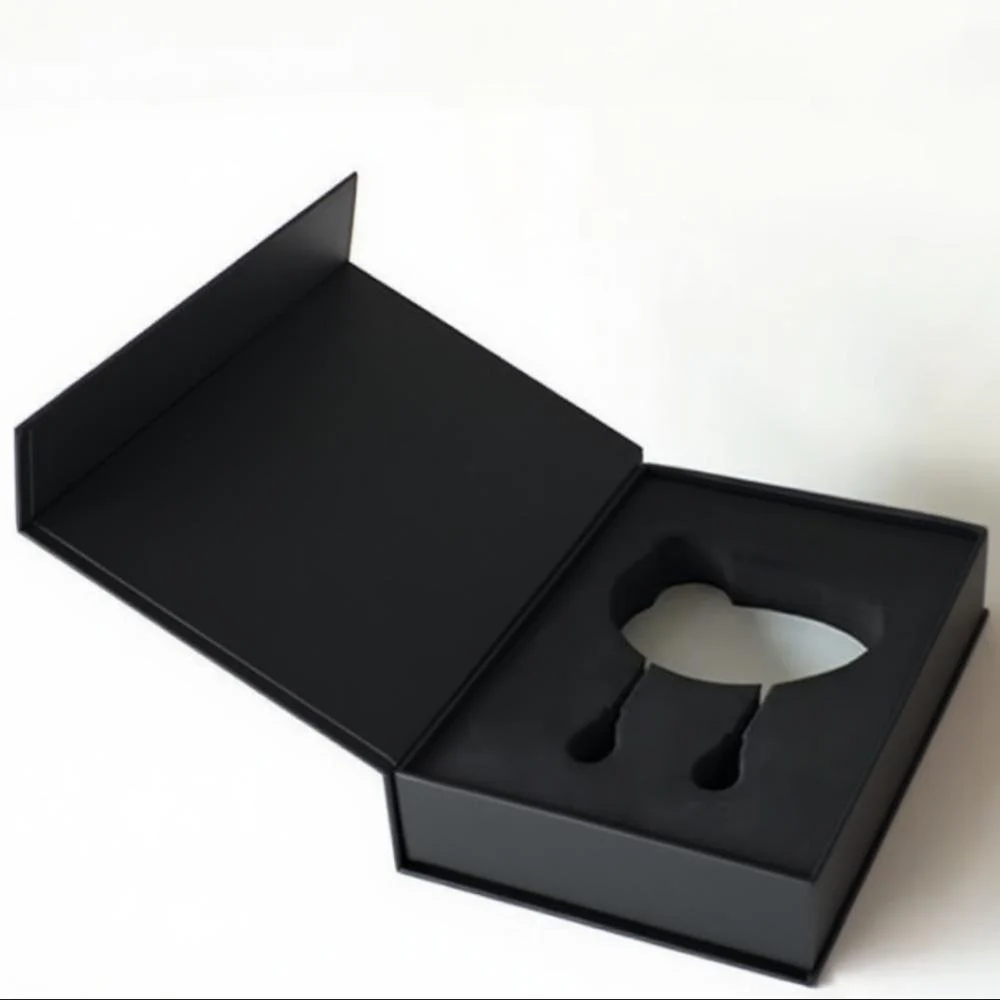
| Premium collector deck | Rigid set box / drawer box | Higher perceived value, better protection |
| Tarot deck with guidebook | Tuck + booklet pocket or rigid box | Controls movement and keeps kit complete |
| DTC subscription/game launch | Mailer + internal tray | Better shipping protection and presentation |
| Wholesale bulk | Retail pack + master carton strategy | Low damage rate, efficient logistics |
Beyond Tuck Boxes: Packaging Options for Different Markets
If your deck is a gift product or a collectible, you can elevate the experience without making production fragile.
Premium rigid boxes (collector editions)
Best when:
- your price point supports premium presentation
- you need stronger edge protection
- you want a “display” box rather than a disposable tuck
Drawer boxes and magnetic closure styles
Best when:
- you want a slower “reveal” experience
- your deck includes accessories (tokens, booklets, dice)
Add-ons that improve performance
- tamper seals (retail trust)
- tear strips (easy opening for DTC)
- inner trays and pockets (kit completeness)
- protective sleeves or wraps (scuff control)
Shipping Reality: From Retail Pack to Master Carton and Pallet
Many deck projects fail in shipping—not because the tuck box is wrong, but because the shipping plan was not designed.
Protecting corners and preventing deck movement
Damage usually shows up as:
- crushed corners
- scuffed surfaces
- tuck flaps bending during transit
We control this by:
- selecting the right board and structure for your channel
- adding internal retention when needed
- planning master cartons to prevent compression failure
Master carton strategy (wholesale and export)
If you ship wholesale, we plan:
- number of decks per shipper
- internal dividers if needed
- stacking and compression logic for pallets
Palletization considerations
For larger shipments, stability is part of packaging:
- correct pallet pattern prevents shifting
- wrap/straps protect corners and edges
- weight distribution reduces crushing risk
What We Need to Quote Accurately
Use this checklist to get a fast, accurate quotation and fewer sampling rounds.
| RFQ Field | What to Provide | Why It Matters |
|---|---|---|
| Card type | Poker / Bridge / Tarot / Custom | Determines baseline sizing |
| Card size | Width × Height | Locks artwork and cutting plan |
| Corner radius | Target rounding | Prevents corner issues |
| Card thickness | Target caliper or reference sample | Drives deck height |
| Deck count | 52/54/60/78 etc. | Drives box depth |
| Finish | Varnish/lamination direction | Changes slip and fit tolerance |
| Packaging type | Tuck / rigid / drawer / mailer | Sets structure and cost |
| Print coverage | Simple vs full coverage | Affects finish and scuff control |
| Quantity & timeline | Launch + reorder expectation | Aligns economics and scheduling |
| Shipping channel | DTC parcel / wholesale pallet / export | Sets protection level |
FAQs: Playing Card Dimensions and Box Sizing
What is the standard poker card size?
A widely used reference is 2.5 in × 3.5 in.
What is the bridge card size and why is it narrower?
A common bridge reference is 2.25 in × 3.5 in. The narrower width makes it easier to hold more cards comfortably.
What should I include in my print file to avoid cutting issues?
Use bleed for full-coverage designs, keep critical content inside a safe area, and design with the rounded corner shape in mind.
How much tolerance should I leave for a tuck box?
A small fit allowance is necessary so the deck slides in and out without edge damage. The correct allowance depends on deck thickness, coating, and the “fit feel” you want.
How does deck thickness change tuck box depth?
Thicker stock, heavier coating, and extra insert cards all increase stack height. That is why we size tuck boxes from the deck block, not from the card face size alone.
Should I use a rigid box instead of a tuck box?
If you sell collector editions, gift sets, or decks with accessories, rigid packaging can improve protection and perceived value.
What’s the fastest way to approve a sample?
Provide the final card size, deck count, thickness/finish direction, and your preferred packaging type. We then build a sample that locks fit and print behavior.
Closing
Standard playing card dimensions are easy to find. What makes a deck succeed in the real world is turning those numbers into a production-ready card spec and a tuck box that fits cleanly, then aligning the packaging to your sales channel and shipping route.
If you share your card size, corner radius, deck count, thickness/finish, and your target packaging type, we will return a quote-ready specification and a sample plan that locks fit, print quality, and shipping performance.