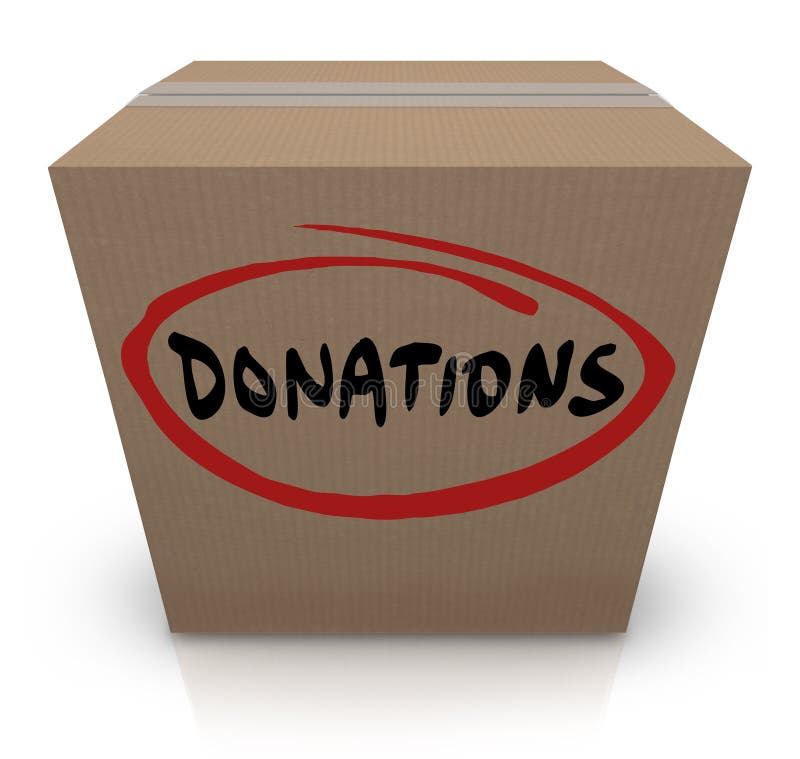


Custom Cardboard Donation Boxes
A donation box has two jobs: collect reliably and communicate clearly. If you’re running a fundraiser, a community drive, a corporate CSR campaign, or an in-store collection program, you need a box that stays stable in public spaces, guides donors with clear messaging, and deploys efficiently across one site—or dozens.
As a manufacturer, we produce custom cardboard donation boxes from corrugated board with campaign-ready structures, secure opening options, and high-visibility printing. You send your campaign goal and deployment plan; we return with a format recommendation and a quote-ready specification.
| Item | Options / What You Can Lock In Fast |
|---|---|
| Primary Use | Cash/envelopes, drop-off goods, clothing drives, event collections, multi-site campaigns |
| Board Type | Corrugated: E-flute (light use), B-flute (standard), BC-flute (heavy-duty) |
| Strength Reference | 200–350 gsm linerboard; ECT 32–44; bursting strength 200–275 lb (project-based selection) |
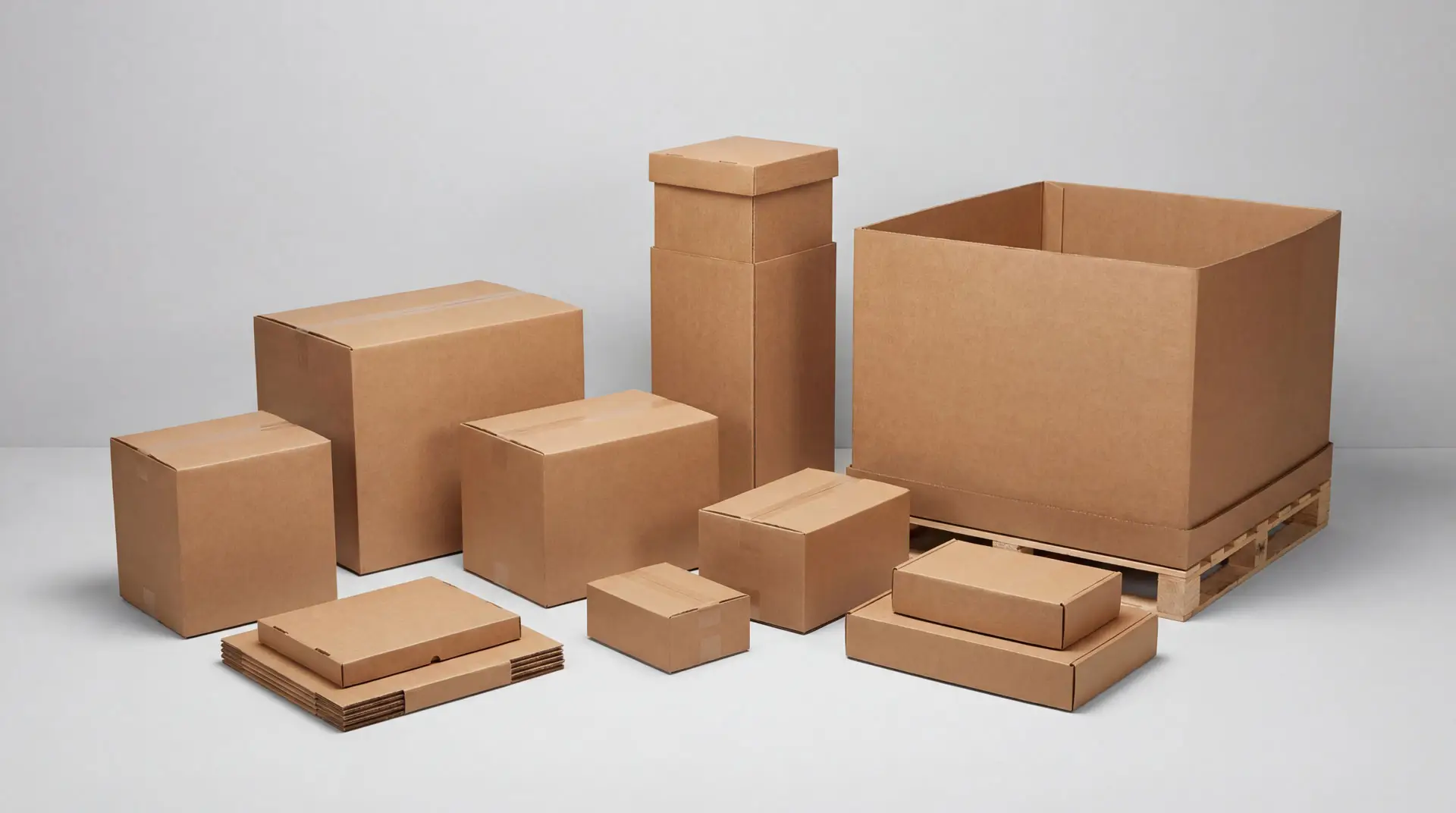
| Standard Sizes | 400×400×600 mm (standard) / 500×500×900 mm (large) / custom dimensions |
| Opening Styles | Top slit, front slot, large flap/lift lid, open-top bin, lock-tab top |
| Structure Styles | Open-top, hinged lid, lock-tab top, fold-flat delivery formats |
| Capacity Target | 10–30 kg depending on size and board configuration |
| Handles | Optional die-cut side hand holes (recommended for larger boxes) |
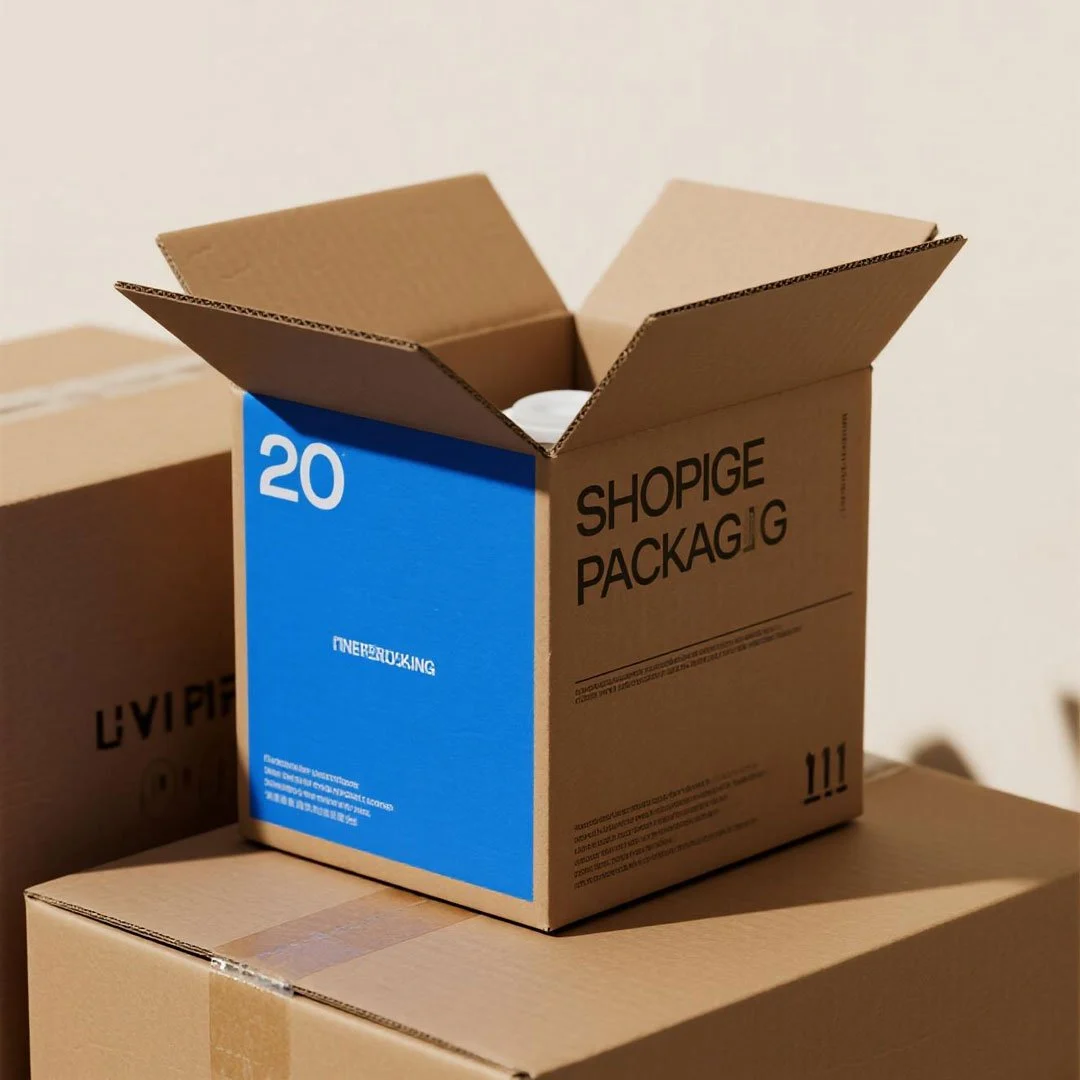
| Printing | 1–3 color flexo (logos/slogans) or full-panel digital (event branding/photos/QR) |
| Finish | Kraft brown (standard), white liner, optional matte coating for clarity |
| Add-ons | Security seals, partitions, QR code zones, multi-category labeling |
| MOQ / Sampling / Lead Time | MOQ starts at 500 units per size/design; sample development 3–7 working days; mass production 15–25 working days (depends on order size and print complexity) |
| Packing & Trade Support | Flat-packed bundles/cartons; trade terms EXW/FOB/CIF/DDP; export paperwork support |
Choose the Right Donation Box Format in 30 Seconds
| Campaign Scenario | Recommended Format | Opening & Access | Security Direction | Board Direction |
|---|---|---|---|---|
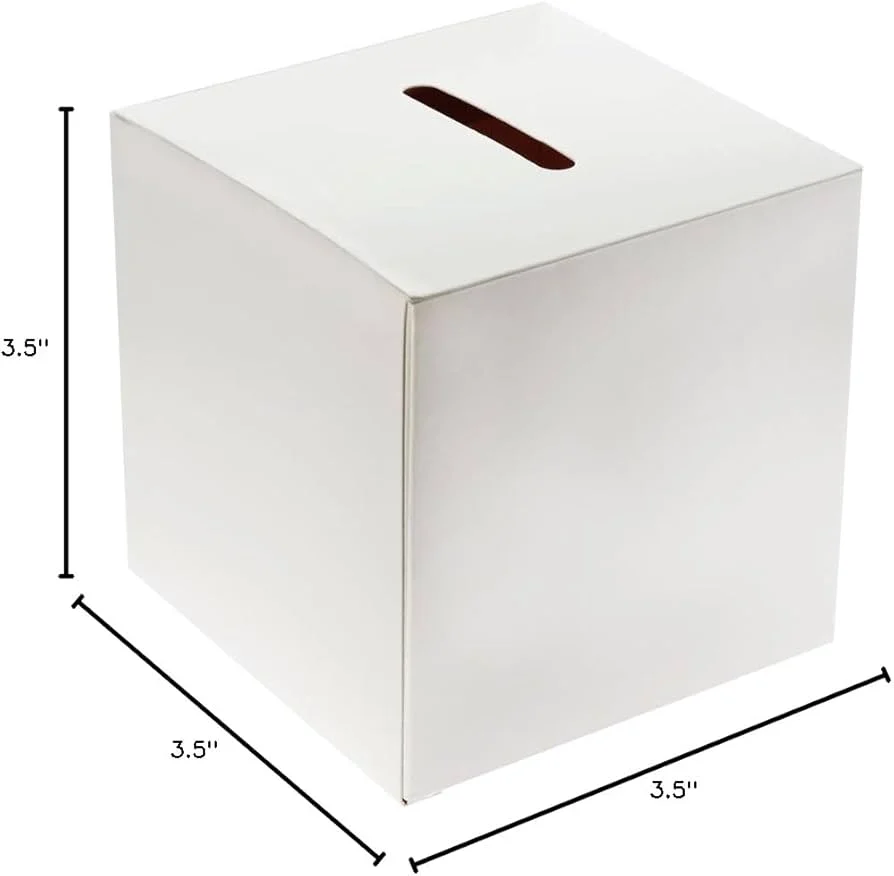
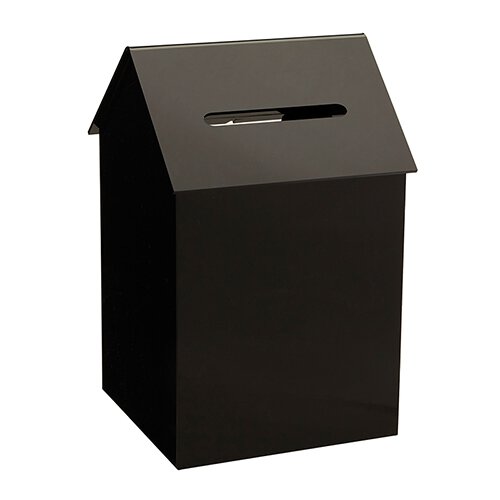
| Cash / envelopes / feedback | Top-slit box | Narrow top slit | Lock-tab lid + seal zone | E-flute or B-flute |
| Books / food / hygiene kits | Front-slot drop-off box | Wider front slot | Optional after-hours flap | B-flute |
| Clothing / bulk items | Hinged-lid high-capacity box | Lift lid / large flap | Padlock tab or tamper seal | BC-flute |
| Supervised one-day events | Open-top bin | Open-top | Staff-supervised (no lock) | B-flute or BC-flute |
| Multi-site deployment | Flat-pack format | Any of the above | Depends on site risk | Match to contents + duration |
Use this table to decide structure first. Once the format is right, printing and messaging become a straightforward execution step.
Security and Tamper-Resistance Options
If your campaign involves cash, envelopes, or unsupervised placement, build a security plan into the structure—not as an afterthought.
Common security configurations
- Lock-tab lid for controlled access (simple and effective for public placement)
- Seal-ready lid area for tamper-evident stickers (easy to audit during daily checks)
- Padlock tab (project-based) for higher-risk locations or overnight placement
- Internal compartment option (by request) for envelope-heavy campaigns
What we need from you to spec security correctly: placement environment (indoor/semi-outdoor), supervision level, and whether the box is emptied daily or weekly.
Specifications and Strength That Hold Up in Public Use
Donation boxes live in high-traffic zones. Stability is a mix of board grade, panel design, and base reinforcement.
Corrugated board types (practical selection)
- E-flute (~1.5 mm): compact boxes for light donations (notes, envelopes)
- B-flute (~3 mm): standard choice for books, hygiene kits, dry food
- BC-flute (~5–6 mm): heavy-duty for clothing drives and bulk collection
Strength references (for procurement alignment)
We can align the specification to target performance using ECT/bursting ranges and linerboard options, then confirm the final selection against your size, load, and deployment duration.
Printing and Messaging That Drives Participation
A donation box is also campaign signage. Your print layout should tell donors what to do, what to donate, and why it matters—without confusion.
High-impact print elements
- Clear call-to-action: “Donate Here” / “Thank You” / “Drop Items Below”
- Category rules: “Non-perishable food only” / “Books & school supplies” / “Clean clothing”
- Sponsor/partner logos and endorsement blocks (clean hierarchy)
- QR code zones for donation tracking, transparency pages, or digital campaigns
- Multilingual messaging where your locations require it
Printing methods
- Flexo (1–3 colors): efficient for simple logos and bold messaging
- Digital (full panel): best for photo-based campaign visuals and multi-location variants
If you’re deploying across many branches, we recommend a standardized layout with a small variable field (site code / location name) to keep operations clean.
Packing, Kitting, and Multi-Site Deployment
Donation programs often fail operationally—not structurally—because logistics get messy. We build the packing plan to match your rollout.
Packing formats
- Flat-packed delivery for efficient storage and distribution
- Bundles (10/25 pcs per bundle, strapped or film-wrapped) for faster site counting and handoff
- Master cartons labeled with design/batch/PO reference for receiving and traceability
Kitting services (optional, high-ROI for multi-site)
- Pre-packed campaign kits: box + printed inserts + signage + stickers (upon request)
- Drop-ship fulfillment to different locations with packing lists sorted by branch/site code
If you’re planning a national rollout, tell us the number of sites and target delivery windows. We’ll propose a packing method that reduces onsite confusion.
Manufacturing Workflow and Quality Control
Donation boxes are simple products—yet small mistakes create big public-facing issues (crooked print, weak base, misaligned lid). Our manufacturing process focuses on repeatability.
Typical workflow
- Confirm format, opening style, and size (based on what you collect and where the box sits)
- Build dieline and print layout zones (CTA + category rules + QR + sponsor area)
- Sample development for approval before mass production
- Mass production with controlled die-cutting, creasing, printing, and packing
- Batch labeling to align with your campaign schedule and site distribution plan
Where Cardboard Donation Boxes Work Best
You can deploy these boxes across:
- Nonprofits and community organizations
- Schools and universities
- Retail stores and mall activations
- Offices and corporate CSR programs
- Hotels, lobbies, public venues, and event booths
FAQs
What can you collect with these donation boxes?
You can collect envelopes/cash (top slit), books/food/hygiene kits (front slot), or clothing/bulk items (hinged lid/high-capacity format).
Do you offer tamper resistance for public placement?
Yes. Common options include lock-tab lids, seal-ready designs, and padlock-tab configurations depending on the placement risk and emptying frequency.
Can you print full campaign graphics and QR codes?
Yes. Digital printing supports full-panel imagery and QR code zones; flexo supports 1–3 color messaging programs.
What is your MOQ and lead time?
MOQ starts at 500 units per size/design. Sample development is typically 3–7 working days, and mass production is typically 15–25 working days depending on order size and print complexity.
How are the boxes shipped?
They ship flat-packed in bundles/cartons, and can be palletized for bulk shipping.
Can you support multi-location rollouts?
Yes. We can provide kitting and drop-ship support with packing lists sorted by site code when required.
Project Alignment
Send these inputs and we’ll reply with a format recommendation and quote-ready specification:
- What you collect (cash/envelopes/goods/clothing)
- Placement environment (counter/floor/entrance; supervised or not)
- Target size or footprint limits
- Quantity and number of locations
- Print requirements (simple logo vs full campaign panels; QR codes; multilingual)
- Timeline and destination
You’ll receive a practical proposal that covers structure, security direction, printing plan, and deployment packing—ready for internal approval and rollout.