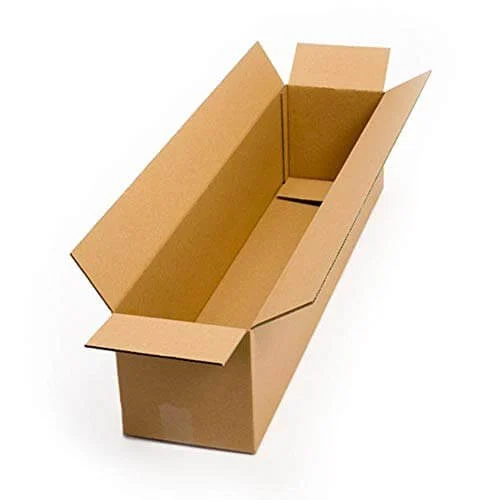
Custom Corrugated Planter Boxes
Breathable, Shock-Resistant Corrugated Packaging Engineered for Plant Shipping Programs
Shipping live plants is a logistics problem and a product-quality problem at the same time. Your boxes must keep plants stable, allow airflow, and protect pots from impact—while staying efficient for storage, assembly, and repeat bulk orders.
POZI Packaging manufactures custom corrugated planter boxes for nurseries, growers, distributors, florists, and e-commerce sellers. You can specify ventilation hole patterns, inserts and dividers, and single/double/triple-wall strength options based on route risk, stacking, and fulfillment speed. The result is a scalable packaging program that reduces damage claims and supports consistent delivery.
| Spec Area | Options You Can Configure |
|---|---|
| Product type | Corrugated planter boxes / plant shipping boxes (custom) |
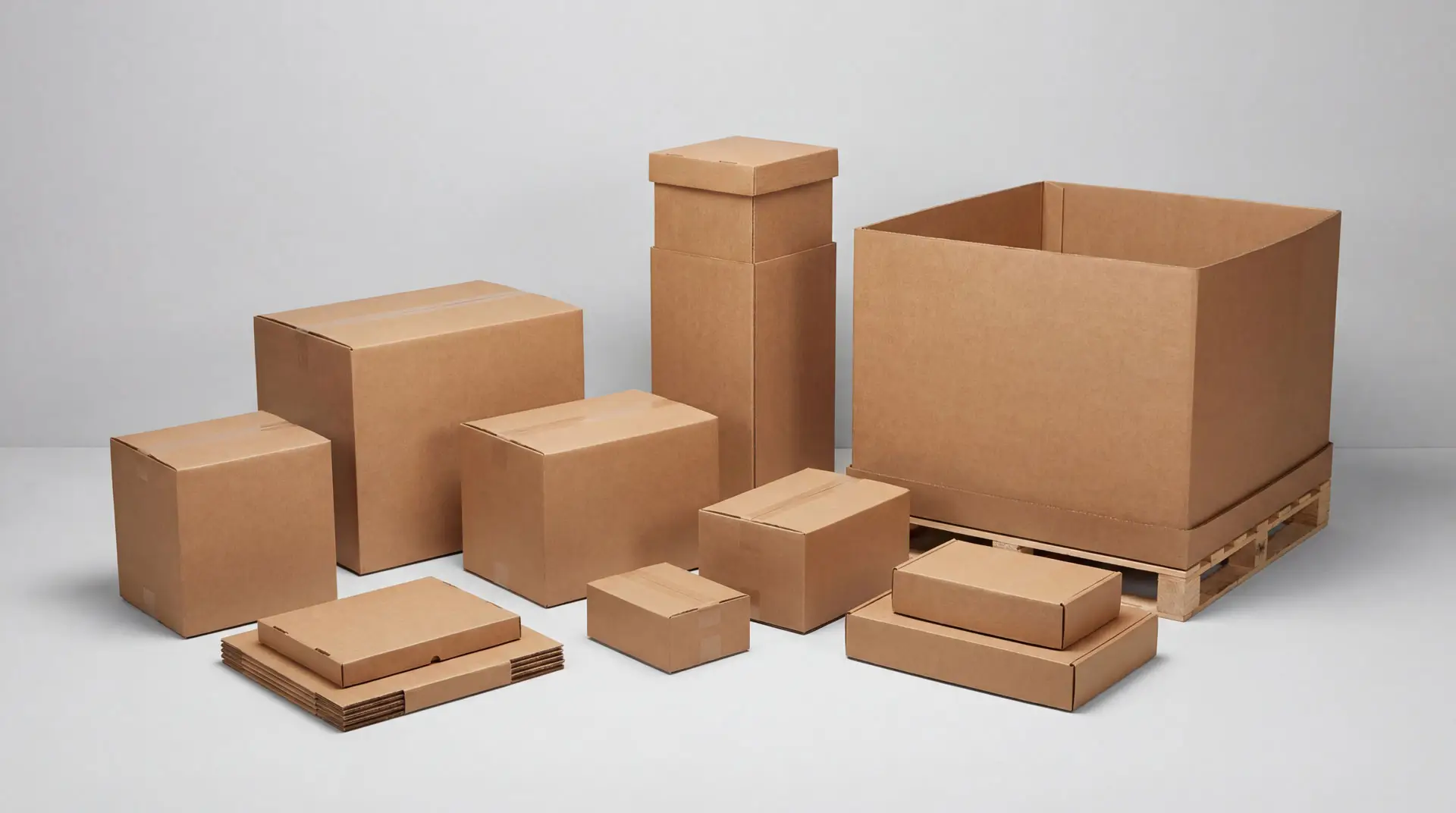
| Box styles | Mailer • Tray + lid • Reinforced RSC • FOL (optional for higher stacking risk) |
| Board strength | Single-wall • Double-wall • Triple-wall (program-based selection) |
| Ventilation | Hole pattern, size direction, and placement options |
| Stabilization | Dividers • insert trays • corner/edge supports |
| Moisture management | Available options for spill/condensation control (project-based) |
| Printing | Handling marks • SKU & barcode zones • logo printing |
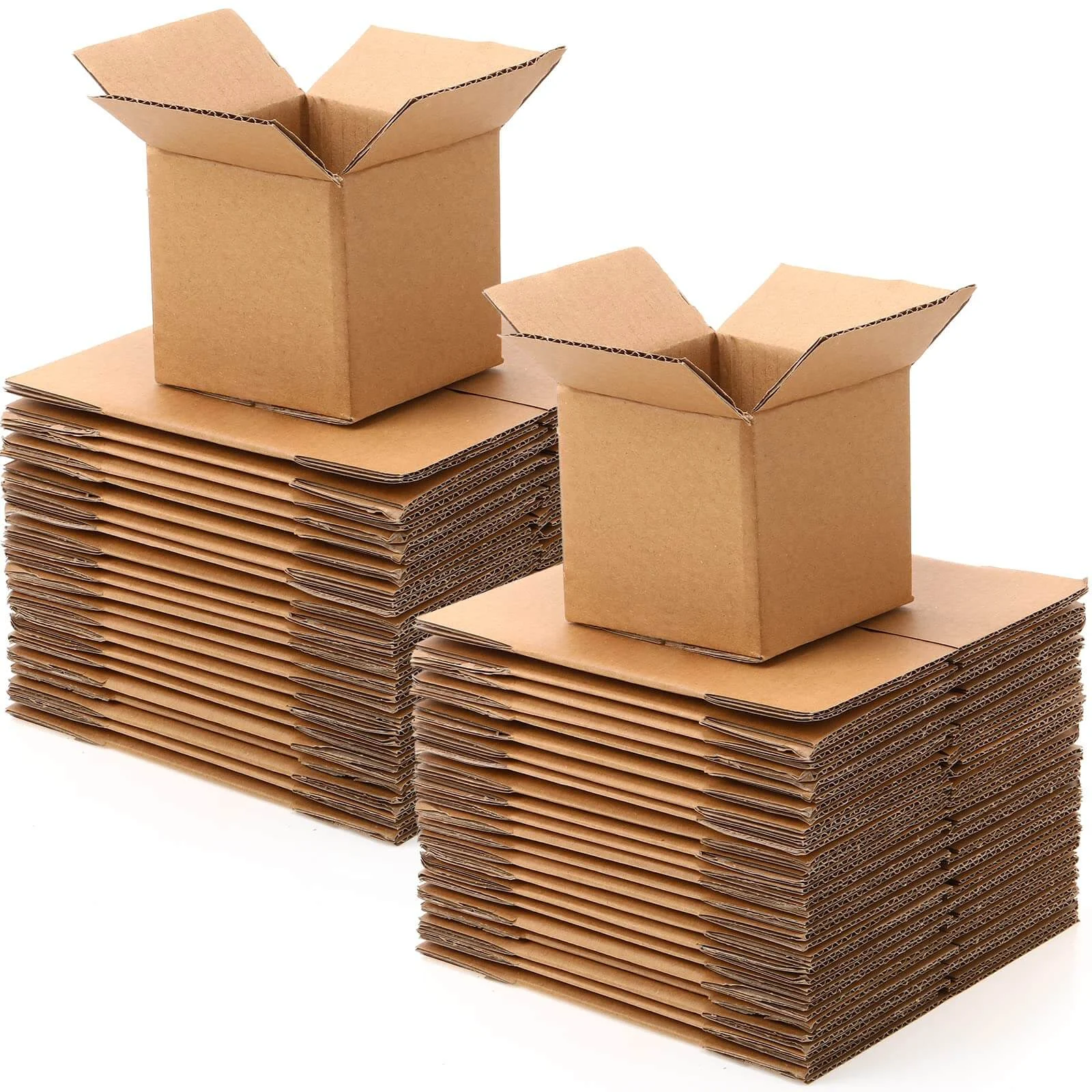
| Supply format | Flat-packed cartons for storage and freight efficiency |
| Bulk program model | Repeatable SKUs for seasonal/weekly shipments |
| Sampling | Dieline → mockup → pre-production sample → mass production |
| MOQ & lead time | Project-based (depends on size, structure, inserts, and printing coverage) |
Tell Us What You Need
- Box Style: Mailer / Tray + Lid / Reinforced Shipping Carton / FOL (optional)
- Strength: Single-wall / Double-wall / Triple-wall (recommended by route & stacking)
- Ventilation: Standard holes / Custom pattern & placement
- Inserts: None / Dividers / Die-cut insert tray / Corner supports
- Branding: Handling marks / Barcode zones / Logo printing
What Is a Corrugated Planter Box?
A corrugated planter box is a ventilated, transit-ready shipping carton designed to protect potted plants and live greenery during delivery. It combines airflow features, stabilization inserts, and corrugated strength selection to reduce movement, prevent pot-to-pot contact, and maintain shipment quality across parcel, pallet, and export distribution.
Choose the Right Box Style for Your Shipping Channel
Your best result comes from matching structure to your route and handling conditions.
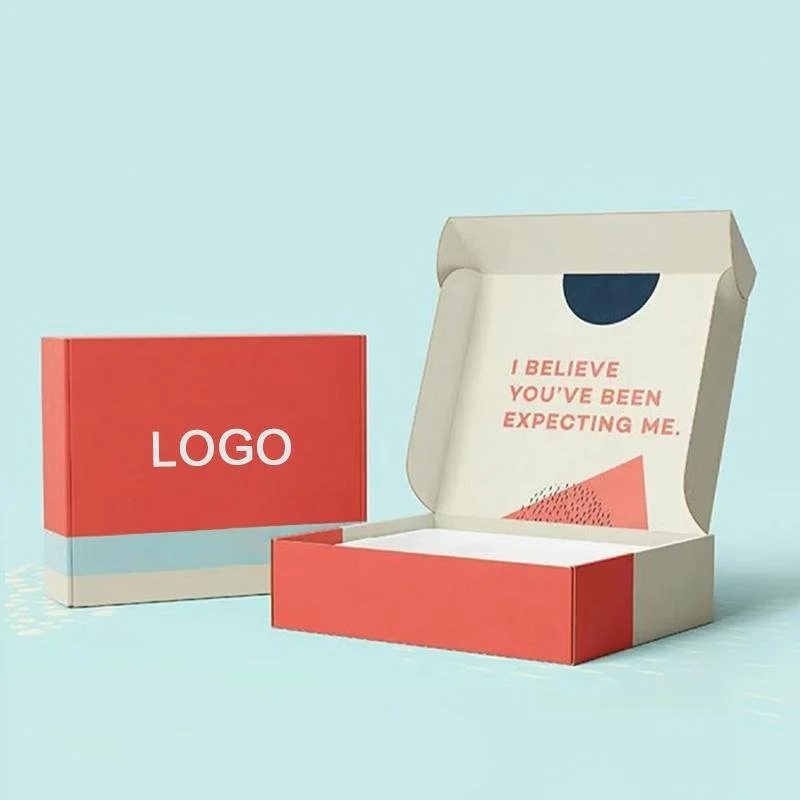
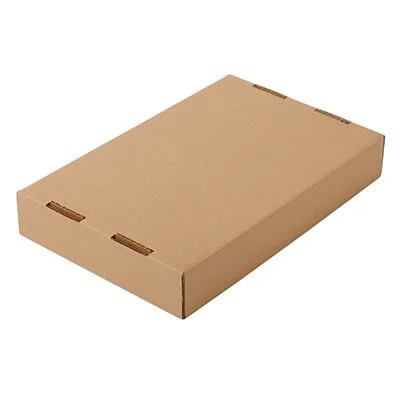
E-commerce Mailer for Single Pot
If you ship one pot per order, a mailer-style structure helps you control fit, reduce movement, and keep assembly efficient in a fulfillment workflow.
Best for: parcel shipping, single-SKU orders, fast labeling, higher order frequency.
Tray + Lid for Multi-Plant Delivery
Tray + lid formats support batch packing and easy presentation. They are often used for store replenishment, local distribution, and curated multi-plant sets where speed matters.
Best for: garden centers, florist deliveries, local distribution, multi-unit orders.
Reinforced Shipping Carton for Pallet Distribution
When you move plants through warehouses or pallet lanes, the carton must handle stacking and repeated handling. Reinforced structures focus on compression readiness and stability under load.
Best for: nurseries, wholesalers, regional distribution centers, export programs.
FOL Export Carton (Optional) for Higher Stacking Risk
For long routes and higher stacking conditions, FOL-style cartons add overlap reinforcement for improved compression performance under more demanding logistics conditions.
Best for: export shipments, higher stacking requirements, tougher routes.
Ventilation and Moisture Management (Built Into the Design)
Plants need airflow, but shipping environments also introduce moisture, soil spill risk, and condensation. Your packaging design should manage these tradeoffs without slowing your packing line.
Ventilation Hole Design Options
You can specify ventilation by:
- hole placement (side panels, top zones, strategic airflow paths)
- hole pattern direction and density (standard or custom)
- compatibility with inserts/dividers to keep compartments stable
The goal is simple: improve airflow while keeping the box strong and assembly-friendly.
Spill, Condensation, and Soil Control (Available Options)
Depending on your program requirements, you can add design options that help manage shipping realities:
- compartment layouts that keep pots separated
- insert trays that reduce movement and limit contact points
- optional liners/coatings where applicable (project-based)
- structural zones for labels and handling marks to reduce mis-handling
If you have a history of damage claims or route-specific issues, share your scenario and you will receive an option set aligned to that risk.
Inserts, Dividers, and Plant Stabilization
Stabilization is one of the highest ROI upgrades for plant shipping. Inserts reduce movement, prevent pot-to-pot contact, and improve the consistency of deliveries.
Dividers for Multi-Pot Sets
Dividers keep each pot in its own lane, reducing friction, tipping, and surface damage during transport.
Insert Trays for Mixed SKUs
If you ship mixed assortments, insert trays help control positioning and maintain a clean, repeatable pack-out standard.
Edge and Corner Supports for Transit Protection
For tougher routes and higher handling risk, corner and edge supports can reduce crush sensitivity and improve shipment stability.
Strength, Stacking, and Transit Protection
Corrugated strength should be selected based on route risk and stacking requirements, not assumptions.
Single-Wall vs Double-Wall vs Triple-Wall—Selection Guide
- Single-wall fits controlled short routes and lightweight configurations.
- Double-wall supports broader distribution programs with higher stacking and handling frequency.
- Triple-wall is selected when compression risk is high (heavier packs, longer routes, higher stacking, or export conditions).
If your distribution standard includes internal targets or stacking limits, you can provide them and we’ll align the selection accordingly.
Palletization and Warehouse Handling
For pallet programs, you can specify export-ready handling options such as:
- reinforced master cartons (where required)
- corner boards / edge protection
- flat-pack supply with pallet stacking patterns aligned to your warehouse workflow
Branding, Handling Marks, and Wholesale Operations
A wholesale program runs on clarity: SKU identification, scanning zones, and handling marks reduce avoidable errors.
Logo Printing and SKU Management
You can add:
- brand logo printing
- series identifiers for multiple plant lines
- barcode zones and SKU labels for warehouse operations
Handling Icons that Reduce Damage Claims
Common marks include:
- This Side Up
- Keep Dry
- Fragile / Handle With Care (where required)
- stacking limit indicators
These small details can reduce preventable damage during handoffs.
Sustainability (Documented, On Request)
Corrugated packaging is widely recyclable in many markets. If you require documentation, you can request:
- FSC-certified paper options (where applicable)
- water-based inks/coatings (where applicable)
- plastic reduction alternatives for internal protection (project-based)
Sustainability outcomes depend on your final structure and local recycling infrastructure. If your market has a packaging guideline, share it early so the solution aligns with your compliance needs.
OEM Workflow: Dieline → Sample → Mass Production
Plant shipping programs require stability and repeatability. Your workflow can follow a clear approval path:
- requirement confirmation (dimensions, units per box, route, ventilation, inserts, printing)
- dieline and mockup approval
- pre-production sample for fit and pack-out confirmation
- mass production under locked specifications
- flat-pack supply and export packing readiness (as required)
This is designed to reduce rework and keep seasonal schedules predictable.
Industries and Applications
- Nurseries & growers: pallet distribution and seasonal programs
- Florists & garden centers: store replenishment and local delivery formats
- E-commerce sellers: parcel shipping with faster pack-out standards
- Wholesale distributors: multi-SKU assortments with barcode-ready operations
FAQ
What information do you need to quote corrugated planter boxes?
Pot diameter range, plant height range, units per box, shipping method (parcel/pallet), ventilation preference, quantity, destination country, and printing requirements are the key inputs. This allows the structure and inserts to be recommended accurately.
How do you choose the right ventilation holes for live plants?
Ventilation depends on route duration, handling conditions, and how tightly the plants are packed. You can select standard ventilation patterns or request a custom hole layout that balances airflow and box strength.
Can you add inserts or dividers to prevent pots from shifting?
Yes. Dividers, insert trays, and corner/edge supports are available to stabilize pots and prevent contact. The best option depends on your box style and how many plants you pack per carton.
Which board strength is recommended for pallet and export shipments?
Selection should match stacking requirements and route risk. Double-wall is commonly used for broader distribution programs, while triple-wall is selected when compression risk is higher. Share your stacking plan and route type for a practical recommendation.
Can these boxes be supplied flat-packed to reduce freight and storage?
Yes. Flat-packed supply is standard for corrugated planter boxes and helps reduce storage volume and shipping cost.
How do you manage moisture, soil spill, and condensation risk?
Moisture and spill control can be addressed through structural compartment design, stabilization inserts, and project-based liner/coating options where applicable. Share your product and route scenario to receive the most suitable option set.
Can you print handling marks, barcodes, and SKU labels?
Yes. Handling marks, barcode zones, SKU identification, and logo printing can be added to support warehouse operations and reduce mis-handling.
What affects MOQ and lead time for custom planter boxes?
Box size, structure type, insert complexity, ventilation design, and printing coverage influence MOQ and lead time. Locking specifications early improves schedule stability for bulk programs.
Are recyclable and FSC options available with documentation?
Recyclable corrugated options are widely available, and FSC-certified paper can be provided where applicable with documentation upon request.
Can I approve a sample before mass production?
Yes. A pre-production sample is recommended to confirm fit, ventilation layout, stabilization, and marking clarity before full production.