Custom VR Headset Packaging
If you are selling VR headsets, your packaging needs to do more than look premium. It must protect sensitive electronic components, organize accessories clearly, support your brand image, and arrive in good condition from factory to end user. A VR headset is not a simple retail item, and the packaging should reflect that.
At POZI, we manufacture custom VR headset packaging for consumer electronics brands, distributors, retail programs, and device launch projects. We help you build packaging around the actual product configuration, whether you are packing a headset only, a headset with controllers, or a full accessory kit. From rigid presentation boxes to protective shipping-ready structures, we develop packaging that combines product safety, clean branding, and practical production.
| Item | Details |
|---|---|
| Product Name | Custom VR Headset Packaging |
| Suitable Products | VR headsets, controllers, cables, chargers, manuals, retail kits, promotional bundles |
| Box Styles | Rigid magnetic boxes, foldable rigid boxes, retail presentation boxes, corrugated protective boxes |
| Insert Options | EVA inserts, PE foam inserts, PU foam inserts, molded trays, compartment structures |
| Materials | Rigid cardboard, corrugated board, kraft paper, specialty paper, laminated surfaces |
| Printing Options | CMYK printing, Pantone matching, logo printing, inside and outside printing |
| Surface Finishes | Matte lamination, gloss lamination, foil stamping, embossing, debossing, spot UV, soft-touch finish |
| MOQ | Usually from 1,000 pcs per design |
| Sample Time | Usually around 5–7 working days |
| Production Time | Usually around 15–20 working days after sample approval |
| Shipping Format | Flat-packed or assembled export packing depending on structure |
What Is Custom VR Headset Packaging?
Custom VR headset packaging is a packaging solution designed specifically for virtual reality devices and their related accessories. Unlike a general electronics carton, this packaging must protect products with irregular shapes, delicate surfaces, and multiple components in one box. The packaging usually needs to hold the headset securely while also organizing controllers, cables, charging units, manuals, and other accessories in a logical layout.
This is why VR packaging must be planned around both product protection and product presentation. A good box should reduce movement, lower damage risk during transport, and give your customer a clean, organized unboxing experience. It should also help your product look more complete and more professional in retail, e-commerce, or promotional settings.
Packaging Solutions for Different VR Product Configurations
Not every VR project needs the same packaging structure. The right solution depends on how many components are included, how the product will be sold, and how much protection is needed during shipping and handling.
Headset-Only Packaging
If your project includes only the VR headset, the packaging can focus on a compact structure, clean product presentation, and efficient material use. This type of box is suitable for standard retail units, smaller hardware launches, and streamlined consumer packaging programs.
A rigid box or well-built folding structure can work well here, depending on the level of presentation and protection you want.
Headset and Controllers Packaging
Many VR retail products include both the headset and controllers. In this case, the internal layout becomes more important because the shape and size of each component are different. The box should keep the headset stable while also separating the controllers to avoid friction or movement inside the package.
For this kind of project, a custom insert is usually one of the most important parts of the packaging design.
Full Kit Packaging
If your product includes a headset, controllers, cables, charger, manuals, or additional accessories, the packaging should be designed as a complete kit system. This kind of packaging often needs more compartments, a larger structure, and stronger insert planning.
It is especially useful for retail electronics kits, distributor programs, enterprise training devices, and bundled launch packages.
Promotional or Event Packaging
If the packaging is intended for a launch event, trade show, media campaign, or promotional giveaway, the structure may need to balance strong visual presentation with easier logistics. In these cases, lighter foldable structures or compact premium boxes may be more practical depending on the project scale and shipping plan.
Which Box Style Is Right for Your VR Headset Project?
The best packaging structure depends on your product position, your target customer, and your delivery channel. The right box is not only about appearance. It is about whether the packaging works in real retail, shipping, and brand presentation conditions.
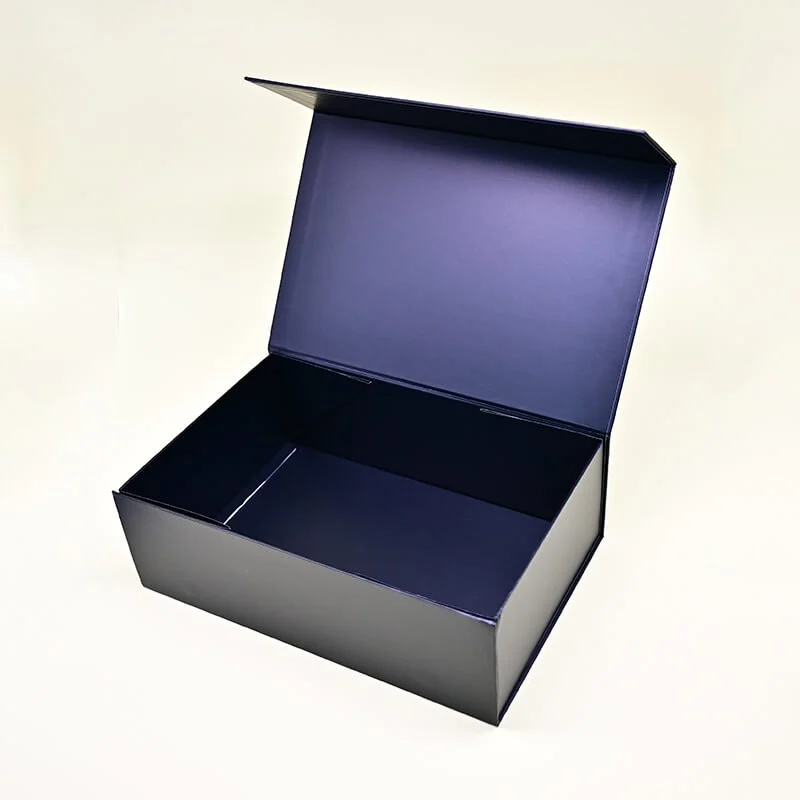
Rigid Magnetic Boxes
Rigid magnetic boxes are a strong option when you want your packaging to feel premium and presentation-driven. They are often suitable for flagship products, launch editions, brand-centered electronics packaging, and premium retail display.
This structure helps create a stronger first impression and supports more refined internal layouts.
Foldable Rigid Boxes
Foldable rigid boxes are useful when you want the premium look of a rigid box but also need better space efficiency for storage and shipping. This is a practical option for larger orders or projects that require international delivery.
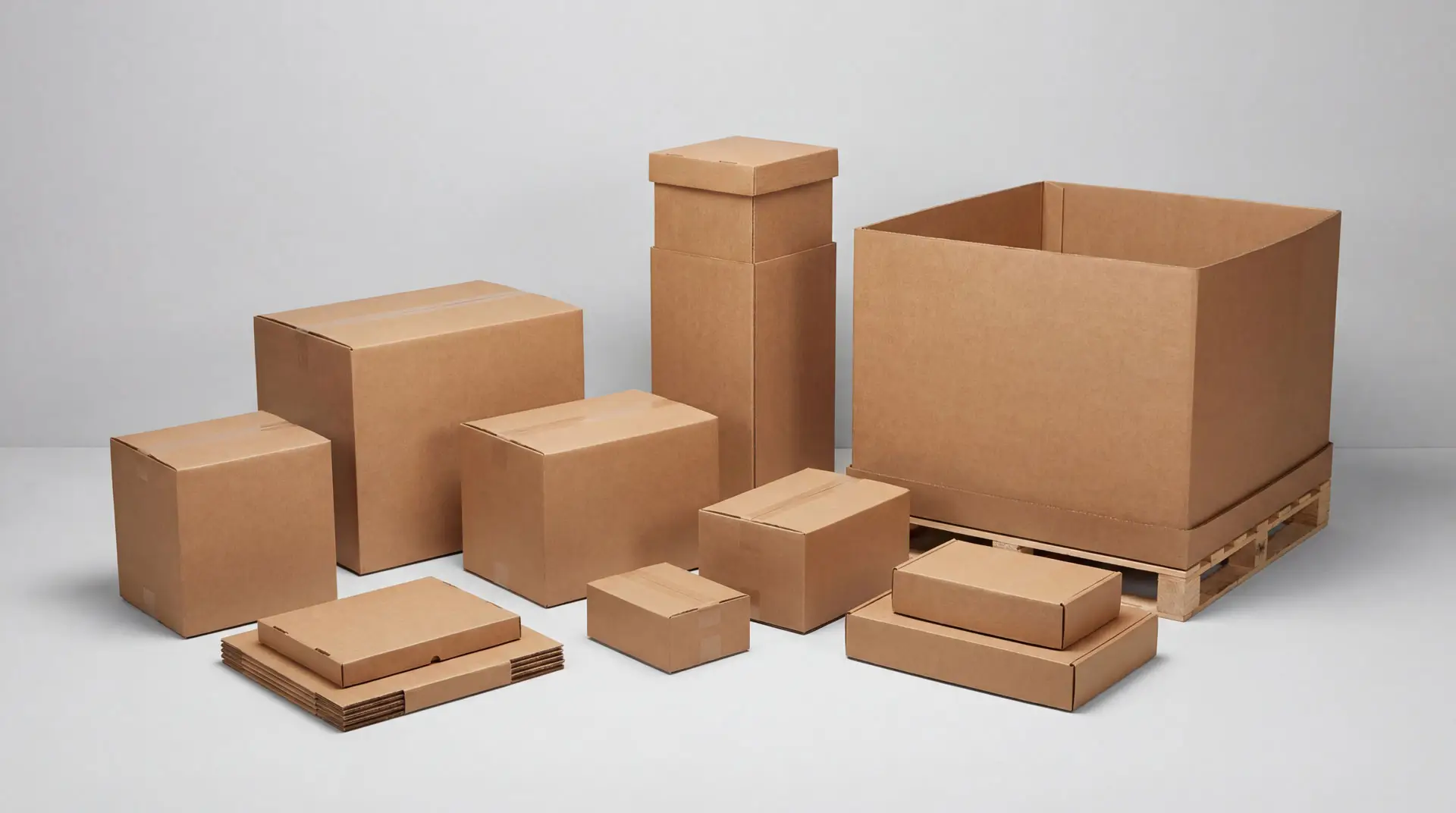
Corrugated Protective Boxes
Corrugated protective boxes are a better fit for shipping-focused projects, e-commerce orders, and export-oriented packaging. If the product must travel through longer logistics routes, stronger structural protection becomes more important.
This type of box is more practical when transport stability matters more than luxury-style presentation.
Retail Presentation Boxes
Retail presentation boxes are suitable when shelf appearance and product visibility are key priorities. These boxes are designed to look organized, well-branded, and market-ready while still offering enough protection for electronics packaging.
Insert Options for VR Headsets and Accessories
For VR headset packaging, the insert is often the most important functional component. A good insert does more than hold the product in place. It protects sensitive parts, separates accessories clearly, and helps create a more professional inside presentation.
EVA Inserts
EVA inserts are a strong option for premium electronics packaging. They offer a clean fit, a more refined appearance, and better product positioning inside the box. This is often the preferred choice when presentation and protection both matter.
PE Foam Inserts
PE foam inserts are practical for projects that need stronger transport protection and dependable cushioning. They work well when the main concern is securing the product during handling and export shipment.
PU Foam Inserts
PU foam inserts can provide a softer touch and a cleaner interior look. They are suitable for presentation-focused electronics kits where the packaging should feel more polished during unboxing.
Molded Trays and Compartment Structures
For some projects, molded trays or structured compartments are a more practical solution. These can help organize cables, chargers, controllers, and printed materials without making the packaging too heavy or too costly.
Materials and Construction for Electronics Protection
The material you choose affects both the look and the performance of your VR headset packaging. Different project types require different priorities. Some brands need premium shelf presentation. Others need stronger export protection. Some need a balance of both.
Rigid cardboard is a strong choice for premium VR packaging because it offers better edge stability and a more solid feel. Corrugated board is more suitable when shipping protection and structural strength are the main priorities. Kraft-based materials can work for projects that want a more natural packaging direction. Specialty papers and laminated surfaces can be added when branding and finish quality matter more.
The best packaging is not simply the most expensive one. It is the one that matches your product, your sales channel, and your logistics plan.
Custom Printing and Brand Presentation
Your packaging should do more than protect the device. It should also communicate your brand clearly. At POZI, we support custom printing for VR headset packaging so the box reflects the identity of your product line and your market position.
You can customize the outer box, inner panels, inserts, and print finishes based on your brand system. Whether you want a clean minimalist look or a more graphic retail presentation, we can adapt the packaging design accordingly.
We support common print and finish options such as CMYK printing, Pantone matching, foil stamping, embossing, debossing, spot UV, matte lamination, gloss lamination, and soft-touch finishes. These details help the box feel more complete and more consistent with premium consumer electronics packaging.
Retail, E-Commerce, and Promotional Packaging Scenarios
The same VR headset does not always need the same packaging. A retail box, a shipping box, and a promotional launch box all serve different purposes.
For Retail Electronics Shelves
Retail packaging should look clean, well-branded, and easy to identify. In this case, box shape, surface finish, and internal presentation all help support the product’s shelf impact.
For E-Commerce Delivery
If your product is shipped directly to buyers, the packaging must prioritize protection and structure stability. Stronger materials and better insert support usually become more important in this scenario.
For Enterprise or Training Kits
When VR devices are used in training, education, simulation, or professional use, the packaging often needs to organize multiple accessories and support repeated handling. A structured internal layout is especially useful here.
For Trade Shows and Product Launches
Promotional packaging should create a stronger first impression and help the product feel more complete. In this setting, premium finishes, cleaner inserts, and better brand visibility often matter more.
Our Production Process
We keep the packaging development process practical so your project can move from concept to production with fewer delays.
Step 1: Requirement Confirmation
You share your product configuration, box style preference, quantity, target market, and branding direction. If you are still deciding between structures, we help you compare the available options.
Step 2: Structural Planning
We plan the outer box and internal layout based on the headset, controllers, accessories, and how they should be arranged inside the box.
Step 3: Sample Development
Before bulk production, we prepare a sample so you can review fit, structure, insert layout, and print effect. This helps confirm the packaging before mass production begins.
Step 4: Mass Production
After sample approval, we move into production. During this stage, we focus on structural accuracy, print consistency, insert matching, and overall packaging finish.
Step 5: Packing and Delivery
We prepare the finished boxes for shipment according to the project requirement. Depending on the structure, flat-packed or assembled delivery can be arranged to support export efficiency.
Why Work With POZI for VR Headset Packaging?
You do not only need a packaging supplier that can print a box. You need a packaging partner that understands electronics protection, insert planning, and product presentation.
At POZI, we focus on those practical results.
We support multiple structures for VR headset packaging, from rigid presentation boxes to shipping-ready protective cartons.
We help you match the insert and the box structure to the actual device configuration.
We support custom printing and premium finishing for consumer electronics packaging projects.
We build packaging with repeat production in mind, which is important when your product line expands or your orders scale.
Frequently Asked Questions
What box style is best for VR headset packaging?
That depends on your project. Rigid magnetic boxes are often suitable for premium retail presentation, while corrugated protective boxes are more practical for shipping-focused or export-oriented projects.
Can you make packaging for headsets and controllers in one box?
Yes. We can design custom layouts for headset-and-controller configurations as well as full accessory kits.
What insert material is best for VR devices?
EVA inserts are often chosen for premium fit and presentation, while PE foam is a practical option for stronger transport protection. The best choice depends on your project goals.
Do you offer rigid and corrugated packaging options?
Yes. We can support rigid box structures, corrugated protective packaging, and other materials depending on your product and delivery needs.
Can you print branding inside and outside the box?
Yes. We support custom printing on outer boxes and, where needed, on inner panels and presentation elements.
What is your MOQ for custom VR headset packaging?
For many custom VR headset packaging projects, MOQ usually starts from around 1,000 pieces per design.
How long does sampling and production take?
Sample development is usually around 5–7 working days. Mass production is commonly around 15–20 working days after sample approval, depending on structure and order size.
Can you ship flat-packed boxes for export orders?
Yes. Depending on the box structure, flat-packed delivery can be arranged to improve shipping efficiency.
Do you offer eco-friendly material options for VR packaging?
Yes. Paper-based material options and more sustainability-oriented packaging directions can be discussed based on your project requirement.
Tell Us Your VR Headset Packaging Requirements
If you are planning a new VR headset packaging project, send us your product details and we will help you match the right packaging solution.
To move faster, you can share:
- product configuration
- box style preference
- insert requirement
- artwork or logo files
- finish request
- order quantity
- destination market
We will help you create custom VR headset packaging that protects the product, supports your branding, and performs reliably from production to delivery.