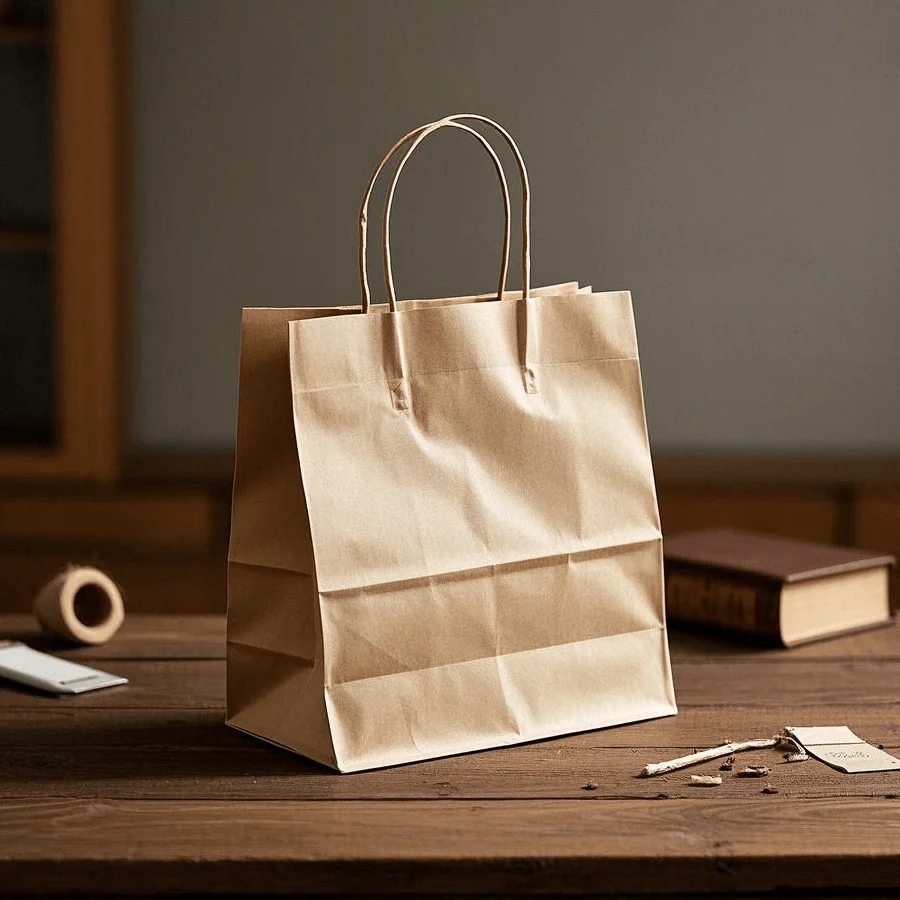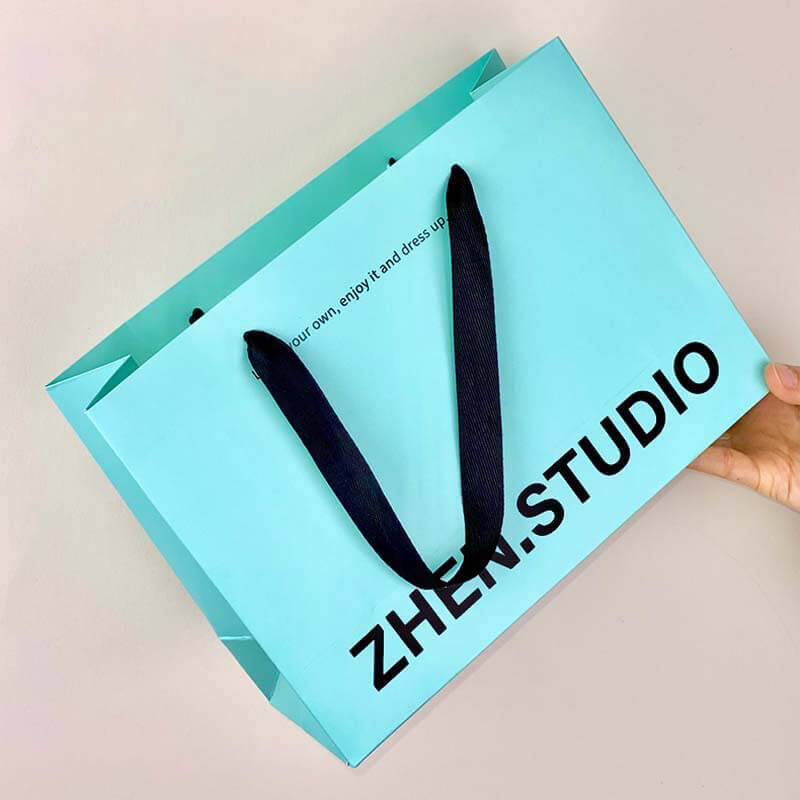
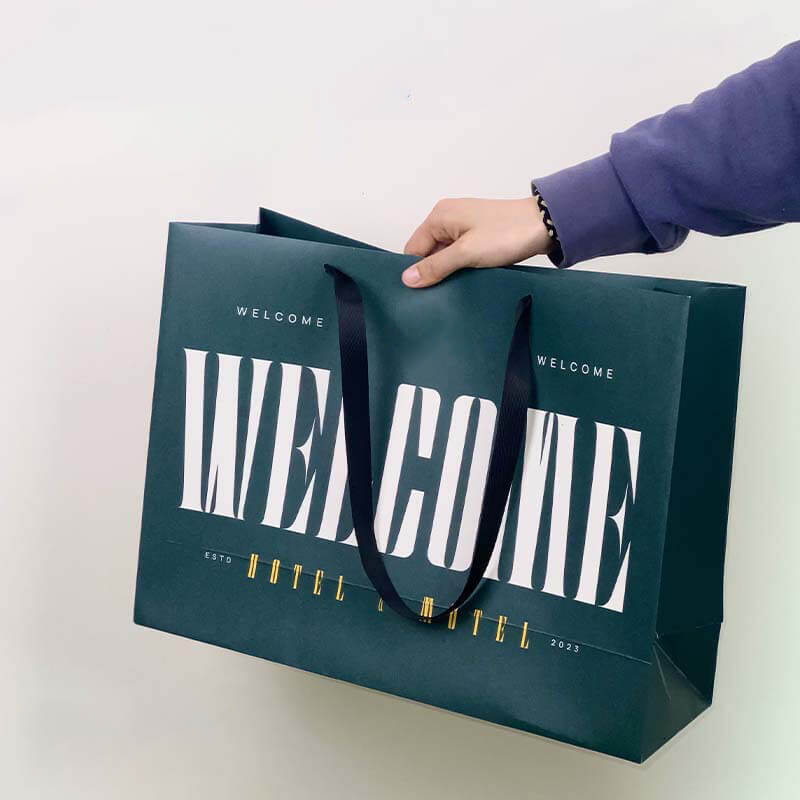
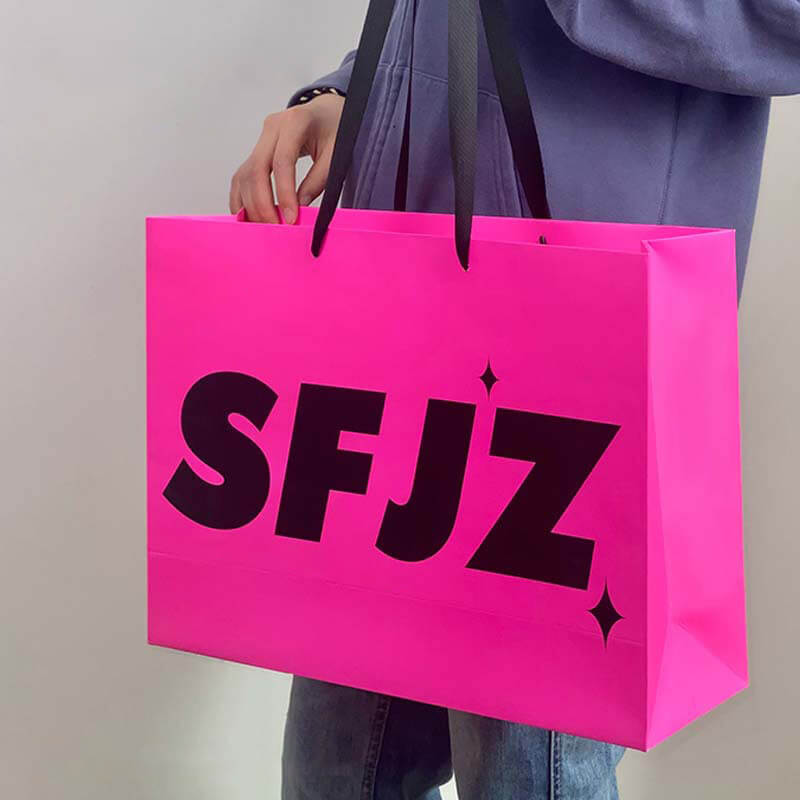
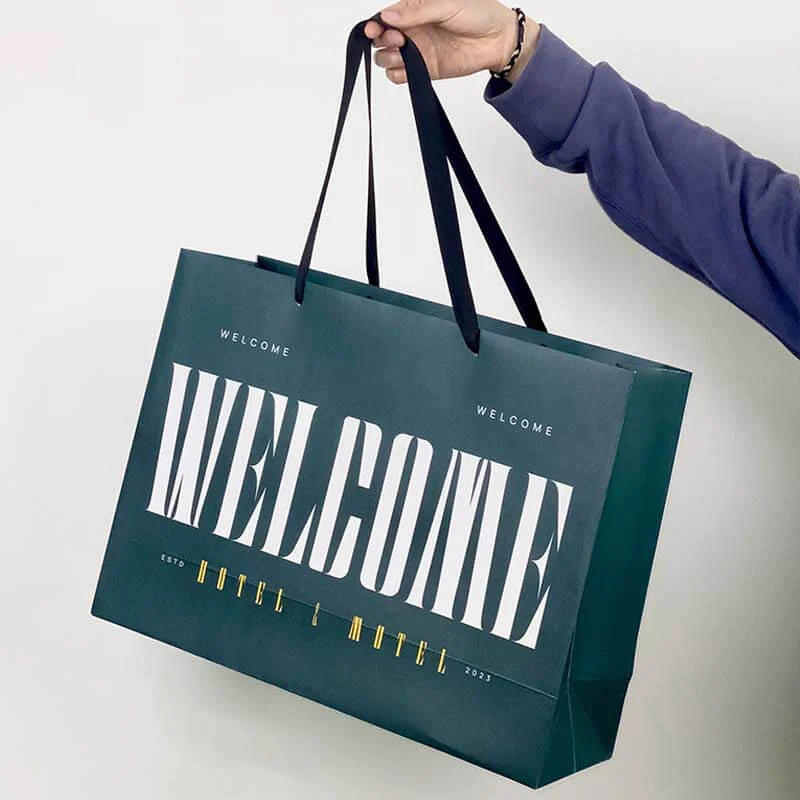
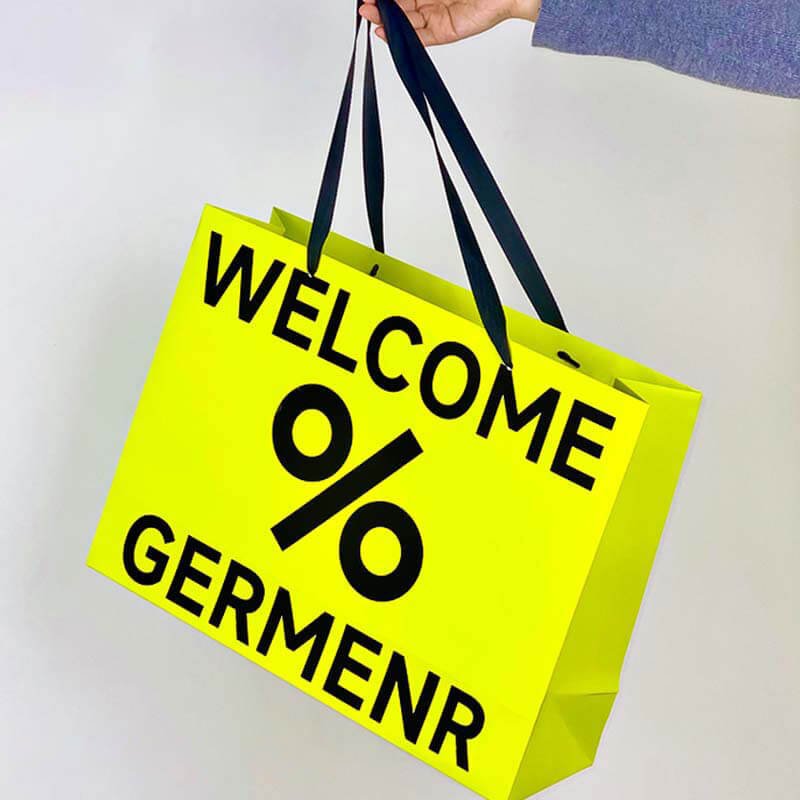
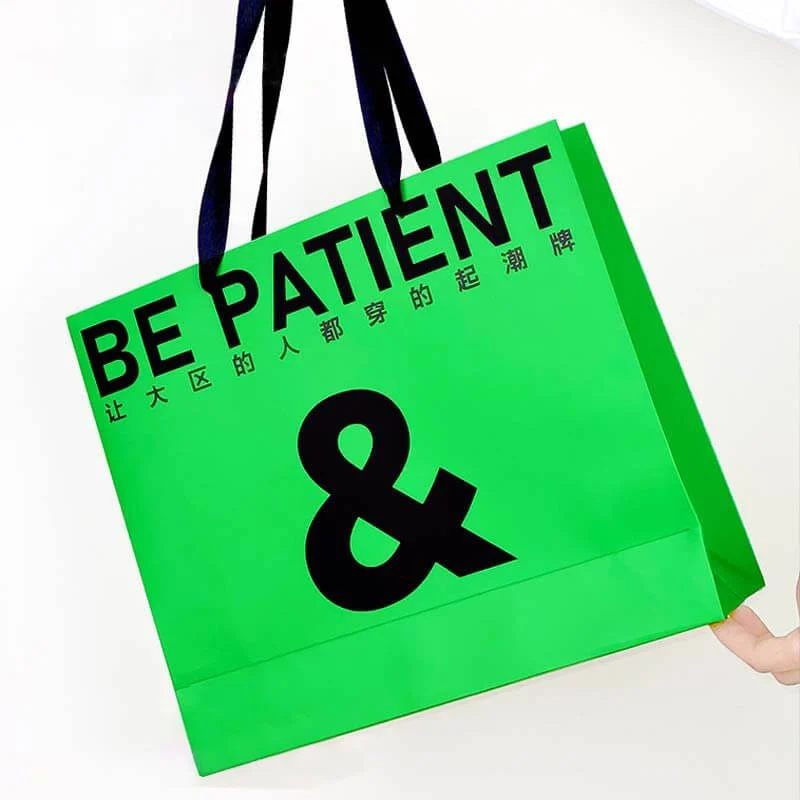
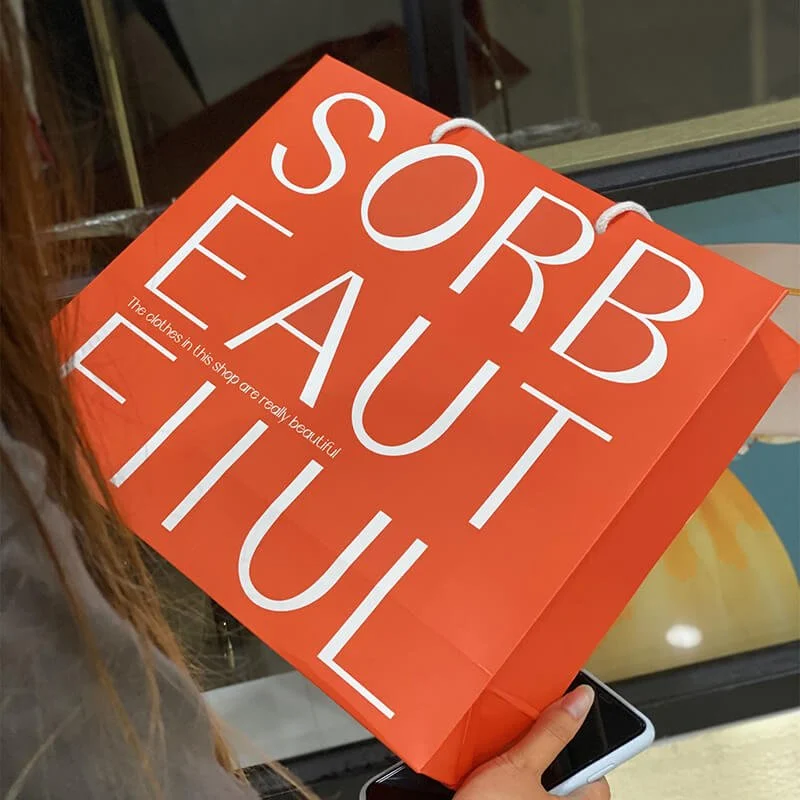

Custom Eco-Friendly Paper Shopping Bags
You need eco-friendly paper shopping bags that look premium, carry reliably, and support sustainability claims your customers and retail partners will scrutinize. POZI Packaging helps you standardize your program—from paper selection and structure strength to printing, handles, and documentation support—so you can launch quickly and reorder with consistent quality.
Whether you are running a retail rollout, organic food program, café takeaway, fashion campaign, or an event activation, you can specify the right materials, recycled content, plastic-reduction finishes, and brand graphics—without sacrificing durability or lead-time predictability.
Fast Quote Checklist (copy/paste)
- Bag size (W × G × H) + estimated load/weight
- Paper type + paper weight (gsm)
- Handle type (twisted / flat / cotton / jute)
- Printing coverage (plain / 1–2 color / CMYK) + Pantone (if needed)
- Quantity per size + destination country + required claim/certificate expectations
Customization Options for Eco-Friendly Paper Shopping Bags
| Customization Category | Available Options & Technical Details |
|---|---|
| Materials | ● FSC-Certified Kraft Paper ● 100% Recycled Paper (Post-Consumer Waste) ● Biodegradable & Compostable Natural Fiber Paper |
| Paper Weight | ● 80gsm – Lightweight for giveaways or small items ● 120gsm / 150gsm – Standard retail ● Up to 250gsm – For luxury or heavy-duty use |
| Bag Sizes | ● Standard: Small (20×10×25 cm), Medium (30×12×30 cm), Large (40×13×35 cm) ● Fully customizable dimensions for any product category |
| Handle Options | ● Twisted Paper Handles ● Flat Paper Handles ● Cotton Rope (undyed / natural) ● Jute Handles for ultra-natural finish |
| Printing Methods | ● Soy-Based Inks ● Water-Based Inks ● CMYK Full-Color Offset Printing ● Pantone Matching ● One-color Screen Printing (Eco Inks) |
| Eco Features | ● Fully Recyclable ● 100% Biodegradable & Compostable ● Low-Impact Dyes & Ink Systems ● Plastic-Free Laminations |
| Finishing Options | ● Natural Matte Texture (No Laminate) ● Eco-Friendly Gloss Lamination (Water-Based) ● Embossed Logos or Recycled Symbol Marking |
| Bag Structures | ● Side-Gusseted Flat Bottom Bags ● Wide-Base Bags for Food & Apparel ● Foldable Bags with Reinforced Edges ● Flat Bags for Promotional Use |
| Minimum Order Quantity | ● Starting from 500 pcs per custom design — ideal for startups, seasonal promotions, or pilot campaigns |
| OEM / ODM Capabilities | ● OEM: Print your logo & layout ● ODM: We assist in eco-product concept development, dielines, and sustainable branding |
| Sampling & Turnaround | ● Physical samples in 3–5 working days ● Mass production in 10–15 days after design approval |
| Export & Logistics Support | ● Global delivery available via sea, air, or courier ● Shipping terms: FOB, CIF, or DDP ● Export documents: CO, HS Code, Invoice, Packing List |
Eco-Friendly Paper Bags That Support Real-World Procurement
“Eco-friendly” is only useful when it translates into clear, verifiable choices. For paper shopping bags, you typically align sustainability with procurement outcomes in three ways:
- Responsible fiber sourcing: options such as FSC-certified kraft paper for brand trust and sourcing transparency.
- Recycled content strategy: options such as 100% recycled paper (post-consumer waste) when your program prioritizes circularity messaging.
- Plastic-reduction design: selecting structures and finishes that reduce plastic components, while still meeting durability and visual needs.
Because recycling and disposal systems differ by market, the most reliable approach is to choose materials and finishes that match your intended claims, then align documentation to your destination requirements.
Eco Material Options
FSC-Certified Kraft Paper
If you want a clear sourcing narrative and a natural aesthetic, FSC-certified kraft options are a strong fit. You typically choose this path when your brand wants a “responsibly sourced fiber” story that is easy to communicate at retail and in marketing.
What you control in procurement:
- Color and feel: natural brown or white kraft
- Print positioning: minimalist or bold branding
- Program consistency: standardized bag sizes across stores and seasons
Recycled Paper (Post-Consumer Waste)
If your sustainability narrative is centered on recycled content and circularity, recycled paper options are often preferred—especially for high-volume promotions, apparel programs, and campaigns where your audience expects visible sustainability cues.
What you control in procurement:
- Recycled look options: grey/off-white/bleached styles depending on your positioning
- Messaging space: recycled symbol and short claim statements
- Cost/scale balance: stable repeat runs with consistent specs
Cellulose-Based Natural Fiber Options for Plastic-Reduction Projects
For projects that prioritize plastic reduction and “natural material” positioning, uncoated cellulose-based paper options can be considered. Practical compliance depends on the exact substrate and whether any coatings are required for performance.
Important boundaries you should plan for:
- “Compostable” outcomes depend on material choice and the absence/presence of coatings, and may differ between home and industrial composting systems
- Claims should be aligned with destination market expectations and the documentation you plan to provide
Structure and Strength Design
Your bag structure is where sustainability meets real-world performance. The right structure reduces waste by preventing failure, returns, and secondary packaging.
Side-Gusset Flat Bottom Bags
A standard retail structure with foldable side panels that stores efficiently and works well for light-to-medium loads. This is a common choice for daily retail, takeaway, and giveaways where packing speed matters.
Wide-Base Bags with Reinforced Bottom
If you carry boxed goods, apparel, or heavier items, wide-base designs improve stability and customer comfort. Reinforced bottoms and appropriate handle selection typically reduce “bag failure” incidents and protect your brand experience.
Foldable Bags with Reinforced Edges
Foldable designs are useful for campaigns and programs that value portability and easy storage. Reinforced edges help keep the bag shape clean for repeat handling.
Handle Selection: Cost, Comfort, and Sustainability Trade-Offs
- Twisted / flat paper handles: efficient, scalable, and widely used for retail and foodservice.
- Cotton rope / jute handles: premium feel and higher perceived reuse value; frequently selected for boutique and lifestyle brands.
Eco Printing and Finishing
Your printing and finishing choices should deliver brand impact while supporting the sustainability narrative you intend to claim.
Printing Systems
- Soy-based ink options: often selected for brand-forward graphics and lower-VOC positioning; also supports de-inking in recycling workflows depending on paper/print setup.
- Water-based ink options: frequently used for solid colors and screen printing needs; selected when customers prioritize simpler chemistry profiles.
- Pantone matching: best when you run multi-store programs and repeat orders where brand color consistency is non-negotiable.
How you keep repeat orders consistent:
- Approve a print proof standard once
- Lock color references for the program
- Maintain the same paper/finish stack across reorders
Finishing Options: Protection vs Plastic Reduction
- Natural matte (no laminate): the most straightforward approach for plastic-reduction positioning and an authentic kraft feel.
- Water-based coating/lamination options: used when you need better scuff/moisture resistance; recyclability depends on the finish type and local recycling streams, so finish selection should match your market’s infrastructure and claim strategy.
- Embossing: adds premium tactile branding with minimal additional materials, ideal for understated eco aesthetics.
- Die-cut elements: can reduce ink coverage and create distinctive brand shapes when structure allows.
Compliance and Documentation Support
If your project requires sustainability claims, retail partner approvals, or destination-market documentation, you should plan for a documentation package early. Based on your material and printing selections, support can include:
- Responsible sourcing documentation (such as FSC options where applicable)
- Recycled content statements aligned with your selected paper option
- Material and ink declarations appropriate to your market’s expectations
- Optional third-party documentation support upon request (availability depends on project scope and destination requirements)
Food and Takeaway Use
If you intend to use bags for bakery, café, or takeaway programs, plan your project around the intended contact scenario (dry, wrapped, or other). Food-contact compliant material and ink options can be provided upon request, based on intended use and destination market requirements.
Industry Applications
Retail and Boutique Stores
When you want a premium feel without plastic-heavy finishes, you can combine kraft or recycled paper with clean printing and tactile elements (such as embossing). This supports a consistent in-store experience and improves brand recall.
Recommended build:
- Recycled paper or FSC kraft option
- Soy/water-based ink options
- Cotton rope or flat paper handles (depending on load)
Organic and Health Food Markets
For eco markets and health-focused brands, the winning combination is usually “honest materials + clear labeling + reliable carry performance.”
Recommended build:
- FSC kraft option or recycled option
- Uncoated surface feel
- Flat handles for efficiency, reinforced bottoms for heavier loads
Fashion and Apparel Brands
Fashion programs tend to prioritize color consistency and repeat-order stability, often with premium tactile finishes that still respect plastic-reduction goals.
Recommended build:
- Higher gsm ranges when needed
- Pantone matching
- Reinforced bottom + upgraded handle option for comfort
Foodservice, Bakeries, and Cafés
Foodservice needs fast packing, reliable handles, and clean brand presentation. You can prioritize simpler printing and strong structure to keep cost controlled at scale.
Recommended build:
- Lightweight kraft options where appropriate
- Twisted paper handles
- Project-based inner performance options if your use case requires it
Event Marketing and Corporate Promotions
Events need bags that look good in photos, carry comfortably, and support a sustainability message that audiences will repeat.
Recommended build:
- Recycled content option for “circularity” narrative
- Minimal-ink layouts and QR code printing for campaign tracking
- Optional emboss/deboss for tactile branding
Production, Sampling, and Lead Time
You get better outcomes when your packaging is managed like a program, not a one-off.
Step 1: Consultation and Project Planning
You align on goals (sustainability claim posture, cost target, and brand look), then select a material and structure that fits your real usage scenario.
Step 2: Dieline, Mockup, and Sampling
You receive dielines and mockups, then validate size, carry performance, and brand appearance through sampling. Physical samples are typically available in 3–5 working days.
Step 3: Manufacturing and Quality Control
Production focuses on consistent printing, stable bonding, and repeatable finishing. QC checks typically emphasize:
- Strength and structure integrity
- Print sharpness and color consistency
- Handle and bottom reinforcement reliability
- Visual uniformity for retail programs
Step 4: Approval and Mass Production
Once design is approved, mass production is typically completed in 10–15 days, depending on complexity and schedule.
Step 5: Export and Logistics Support
You can choose sea, air, or courier based on cost and timeline. Shipping terms can include FOB, CIF, or DDP, with export documentation support such as Certificate of Origin, HS Code, Invoice, and Packing List.
Frequently Asked Questions
What is the best paper type for an eco-friendly claim: FSC or recycled (PCW)?
Choose FSC options when fiber sourcing transparency is the priority. Choose recycled options when recycled content is central to your messaging. If you need help aligning claim language to your market, share your destination country and sales channel.
Which paper weight (gsm) should I choose for my product load?
A simple rule is to match gsm to real load and usage frequency. Lighter gsm works for giveaways and light items, while higher gsm is better for premium retail and heavier goods. Your bag structure and handle choice also influence performance.
Do you support soy-based or water-based inks, and how do you keep colors consistent?
Yes, ink options can be aligned to your sustainability positioning. For repeat programs, you typically lock a proof standard and keep paper + finish consistent to reduce batch-to-batch variation.
What finishing options best support plastic-reduction positioning?
Natural matte (no laminate) is the clearest path. If you need better scuff or moisture resistance, water-based coating options can be evaluated, with the understanding that recyclability depends on finish type and local recycling streams.
What is your MOQ?
MOQ typically starts from 500 pieces per custom design, and the final MOQ depends on bag size, printing coverage, and finishing complexity.
Can you provide documentation for FSC or recycled content programs?
Documentation options can be provided upon request based on your selected material pathway and destination requirements.
What is the timeline for samples and mass production?
Sampling is typically 3–5 working days, and mass production is typically 10–15 days after approval. Shipping time depends on method and destination.
Can you support DDP shipping and export documents?
Yes. DDP can be supported depending on destination and shipment method, and export documents can include Certificate of Origin, HS Code, Invoice, and Packing List.