Custom Gable Top Folding Cartons
If you are packing milk, juice, yogurt drinks, plant-based beverages, or selected liquid foods, you need more than a standard carton. You need a packaging format built for product protection, filling-line practicality, shelf presence, and easy consumer handling. At POZI, we provide custom gable top cartons with flexible structure, custom printing, and application-focused customization for liquid and semi-liquid packaging projects.
Gable top cartons remain a proven format for liquid food packaging because they combine a paperboard-led structure, a recognizable roof-top profile, practical opening options, and compatibility with chilled or ambient packaging systems. Leading gable-top system suppliers position this format around chilled and ambient applications, closures, and filling equipment, while POZI’s current page already frames the product around liquids, perishables, branding flexibility, and machine compatibility.
| Item | Details |
|---|---|
| Product Name | Custom Gable Top Cartons |
| Typical Uses | Milk, juice, yogurt drinks, plant-based beverages, selected liquid foods, some dry-fill applications |
| Structure | Gable-top paperboard carton with custom printing and closure options |
| Distribution Direction | Chilled projects and selected ambient projects, depending on structure and barrier design |
| Material Direction | Paperboard-based structure with barrier/coating options according to product needs |
| Closure Options | Standard folded top, with or without cap/spout depending on project |
| Customization | Size, artwork, print finish, opening style, structure, barrier direction |
| Supply Support | Sample development, bulk production, export packing |
This positioning reflects both POZI’s current offer and how established gable-top packaging systems are typically described in the market.
What Is a Gable Top Carton?
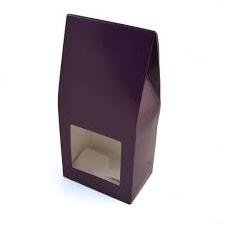
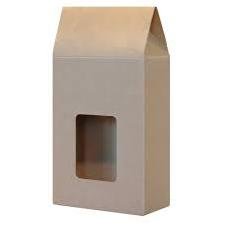
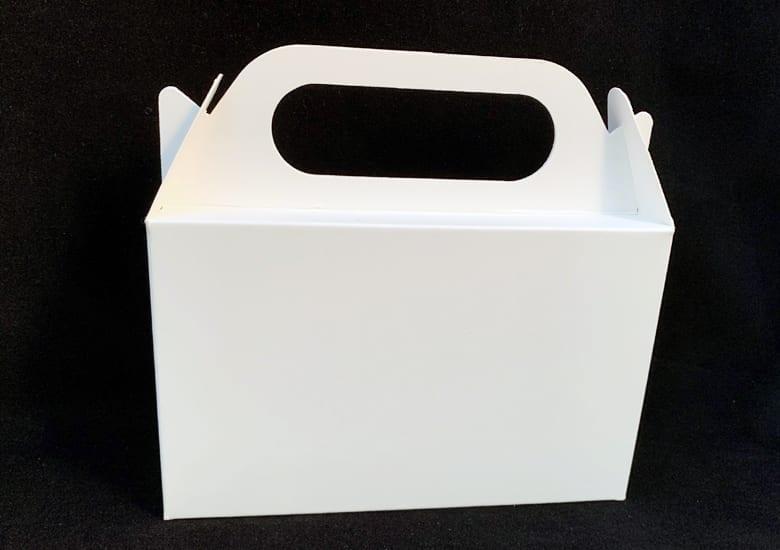
A gable top carton is a paperboard-based packaging format designed mainly for liquid food and beverage products. Its top folds into a roof-like shape, which gives the carton its name and also supports sealing, pouring convenience, and strong shelf recognition. In commercial packaging systems, this format is commonly associated with milk, juice, yogurt drinks, and similar products that require a practical, familiar, and brandable carton shape.
What makes this format commercially useful is not only its appearance. A well-designed gable top carton can support product protection, clear brand communication, efficient line handling, and consumer convenience in one package. That is why the format has remained relevant across both fresh and selected longer-life applications.
Packaging Applications for Gable Top Cartons
Milk and Dairy Products
Gable top cartons are widely used for milk and dairy-related packaging because the format works well for refrigerated distribution, everyday pouring, and retail shelf presentation. The category is strongly associated with fresh dairy, flavored milk, yogurt drinks, and similar liquid products.
Juice and Plant-Based Beverages
Juice brands and plant-based beverage lines also use this format because it offers a good balance of print area, product visibility on shelf, and practical handling. It is a familiar structure for juice, tea-based drinks, and other non-carbonated liquid products.
Liquid Food and Specialty Applications
Depending on the structure and barrier design, gable top cartons can also be used for selected soups, sauces, liquid breakfast products, and some specialty fills. Some manufacturers also position the format for limited dry-fill or hybrid uses, but the strongest commercial fit remains liquid food and beverage packaging.
Chilled and Ambient Packaging Considerations
In the current market, gable top carton systems are commonly described in two broad directions: chilled applications and ambient applications. Established packaging systems explicitly present both chilled and ambient formats, along with related filling equipment and closure options. That means the right carton is not just about shape. It is about matching product type, barrier requirement, filling method, and distribution plan.
For chilled products, the focus is usually on day-to-day usability, refrigerated distribution, and dependable sealing. For ambient-oriented projects, the material structure and barrier requirement become more demanding. If you are sourcing cartons for a liquid product, the first step is to define whether your product is chilled, extended-life, or part of a more specialized ambient system before finalizing the carton specification.
Common Size and Volume Direction
Gable top cartons are produced in multiple size ranges depending on the product and line requirement. Market examples and filling-equipment references commonly show formats from around 250 ml up to 1 L, with some suppliers also listing sizes beyond 1 L for selected projects. In practical sourcing terms, the final pack size should be decided together with the filling system, closure type, and retail positioning.
At POZI, we recommend selecting carton dimensions based on your target fill volume, expected shelf layout, pallet efficiency, and the product handling behavior you need during filling, transport, and use. A carton should not only hold the right volume. It should also work smoothly across production and delivery.
Material Structure and Barrier Options
Material choice is one of the most important parts of a gable top carton project. In this category, the carton is not just a printed outer shell. It is part of the product-protection system. Industry examples show paperboard-based structures with barrier layers such as PE, and in some cases more advanced laminated constructions for applications that need stronger protection or longer shelf-life performance.
For fresh and chilled projects, the specification may center on paperboard plus moisture-resistant barrier performance. For more demanding applications, the structure may require upgraded barrier direction. This is why we do not treat all gable top cartons as the same. We match board and barrier direction to the product category, filling method, and storage requirement you are targeting.
Closure and Opening Options
One of the strengths of the gable top format is opening flexibility. Current market systems include standard folded tops as well as cap-based closure options, and leading gable-top suppliers present dedicated closure platforms as part of the packaging system. Depending on your product and target market, you may choose a simpler pour structure or a resealable cap/spout direction for added convenience.
From a buying standpoint, closure choice affects more than convenience. It also influences consumer handling, line configuration, brand perception, and total packaging cost. If you are building a retail beverage carton, the opening style should be chosen as early as the structural planning stage, not added at the end.
Filling-Line Compatibility
A gable top carton project has to work on the line, not only in design files. Packaging-equipment suppliers for this format typically position their machines around milk, juice, yogurt, tea, and similar liquids, and commonly list carton sizes from 250 ml to 1 L along with different speed ranges. POZI’s current product page also emphasizes compatibility with industry-standard gable top filling machines.
That is why we approach carton development with production practicality in mind. Before confirming structure, it is important to review your filling format, sealing workflow, target output, closure requirement, and pack dimensions. A carton that looks right but does not align with line conditions creates delays, waste, and avoidable conversion costs.
Custom Printing and Branding
Gable top cartons offer strong print visibility because the panel area supports brand graphics, product naming, nutrition or product information, and shelf-facing design. POZI’s current offer already includes custom size, CMYK printing, Pantone matching, foil stamping, embossing, matte or soft-touch effects, and related print enhancements for this product category.
For beverage and liquid-food packaging, good printing is not only about decoration. It helps you differentiate flavors, formats, and product lines clearly on shelf. It also supports regulatory or product-information layout in a format that customers already recognize. Our recommendation is to treat artwork, opening style, and structural layout as one system so the carton performs well both visually and operationally.
Sustainability Direction
Paperboard remains one of the main reasons many brands continue to invest in gable top packaging. Elopak states that its cartons consist, on average, of 75% paperboard and positions the format as renewable and recyclable. That does not mean every carton specification is identical, but it does confirm why the format is widely discussed as a fiber-led alternative in liquid packaging.
For project planning, the practical question is not whether to use a sustainability message in general terms. The real question is which board, barrier, coating, and closure combination fits your product while still supporting your material and brand targets. At POZI, we recommend keeping sustainability claims aligned with the actual carton structure you approve for production.
Why Work With POZI for Custom Gable Top Cartons?
At POZI, we treat gable top carton development as a packaging system decision, not just a print job. Our current offer already covers custom sizing, food-oriented material options, full-surface printing, value-added finishes, and functional add-ons such as spouts or handles where the project requires them. We also position this product around liquid and perishable applications, bulk supply, and filling-machine compatibility.
What matters to you is that the carton fits your product, your line, and your market. We help you evaluate structure, print direction, barrier needs, opening style, and production practicality together, so the final carton is easier to approve, easier to run, and easier to scale. That is the difference between a general box supplier and a packaging partner working from the real use case.
Frequently Asked Questions
What is a gable top carton used for?
It is mainly used for liquid food and beverage packaging, especially milk, juice, yogurt drinks, plant-based beverages, and selected related products.
Are gable top cartons suitable for chilled and ambient products?
Yes, the format is used across chilled systems and selected ambient systems, but the material and barrier specification must match the actual product and shelf-life requirement.
Can gable top cartons be made with caps or spouts?
Yes. Current market systems include both standard folded-top formats and cap-based closure options, depending on the project and equipment direction.
What carton sizes are common?
Common references in this category include sizes from about 250 ml to 1 L, with some systems also extending beyond 1 L depending on the application.
Do these cartons need to match filling equipment?
Yes. Filling-line compatibility matters. Equipment suppliers in this category position machines by product type, pack size, and output range, so carton structure should be aligned with the intended line conditions before production.
Can you customize printing and structure?
Yes. POZI’s current product page already presents customization in size, structure, print capability, surface finish, and functional add-ons for gable top cartons.
Tell Us Your Gable Top Carton Requirements
If you are developing a milk, juice, dairy, or liquid-food carton project, send us your basic requirements and we will help you match the right structure.
To move faster, you can share:
- product type
- target fill volume
- chilled or ambient requirement
- closure preference
- artwork direction
- order quantity
- destination market
We will help you develop custom gable top cartons that are easier to fill, easier to carry, and stronger on shelf.