
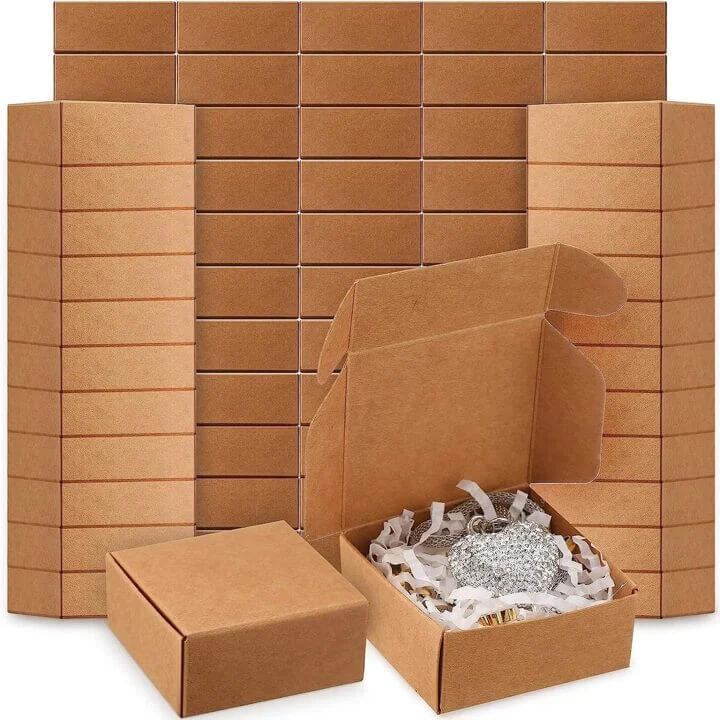

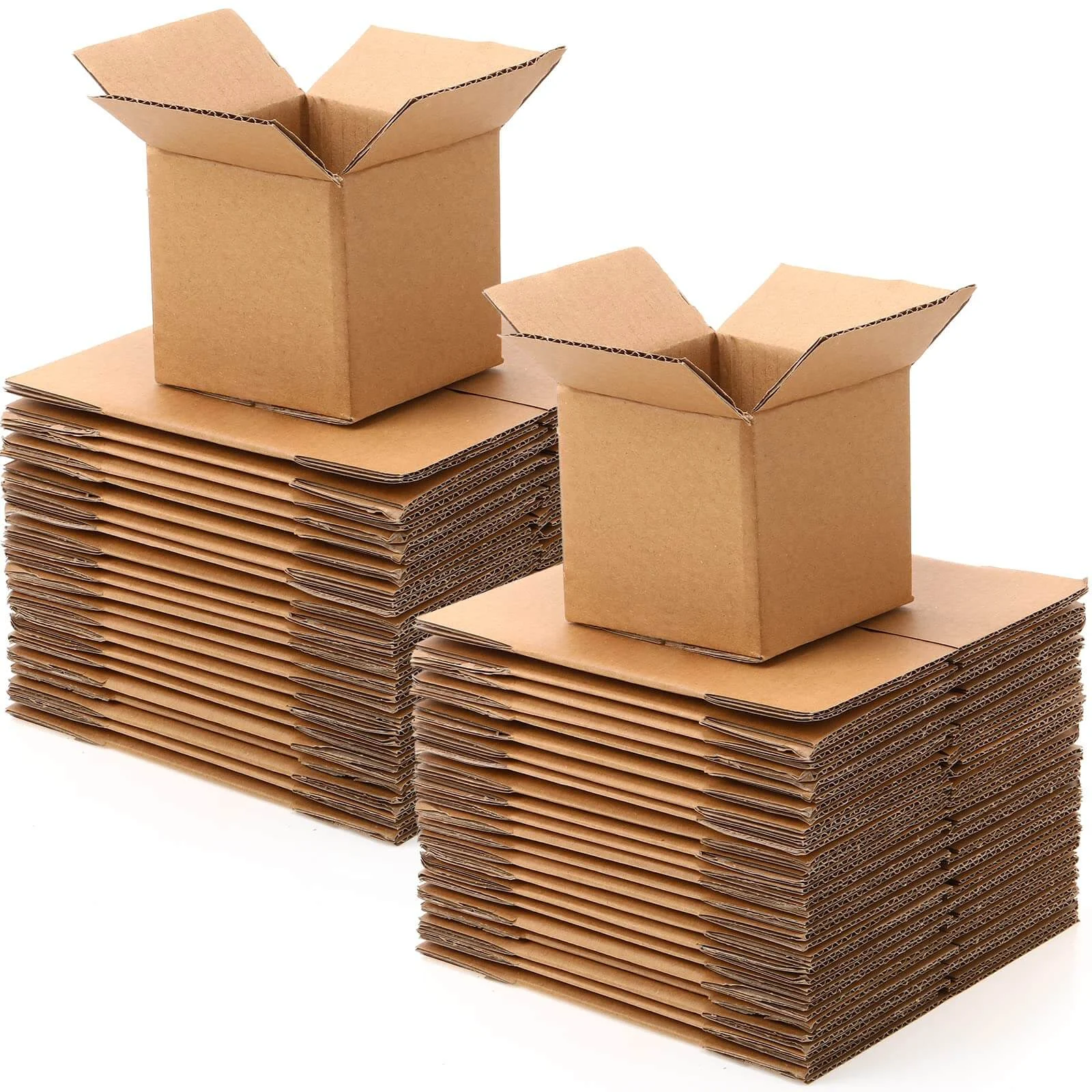
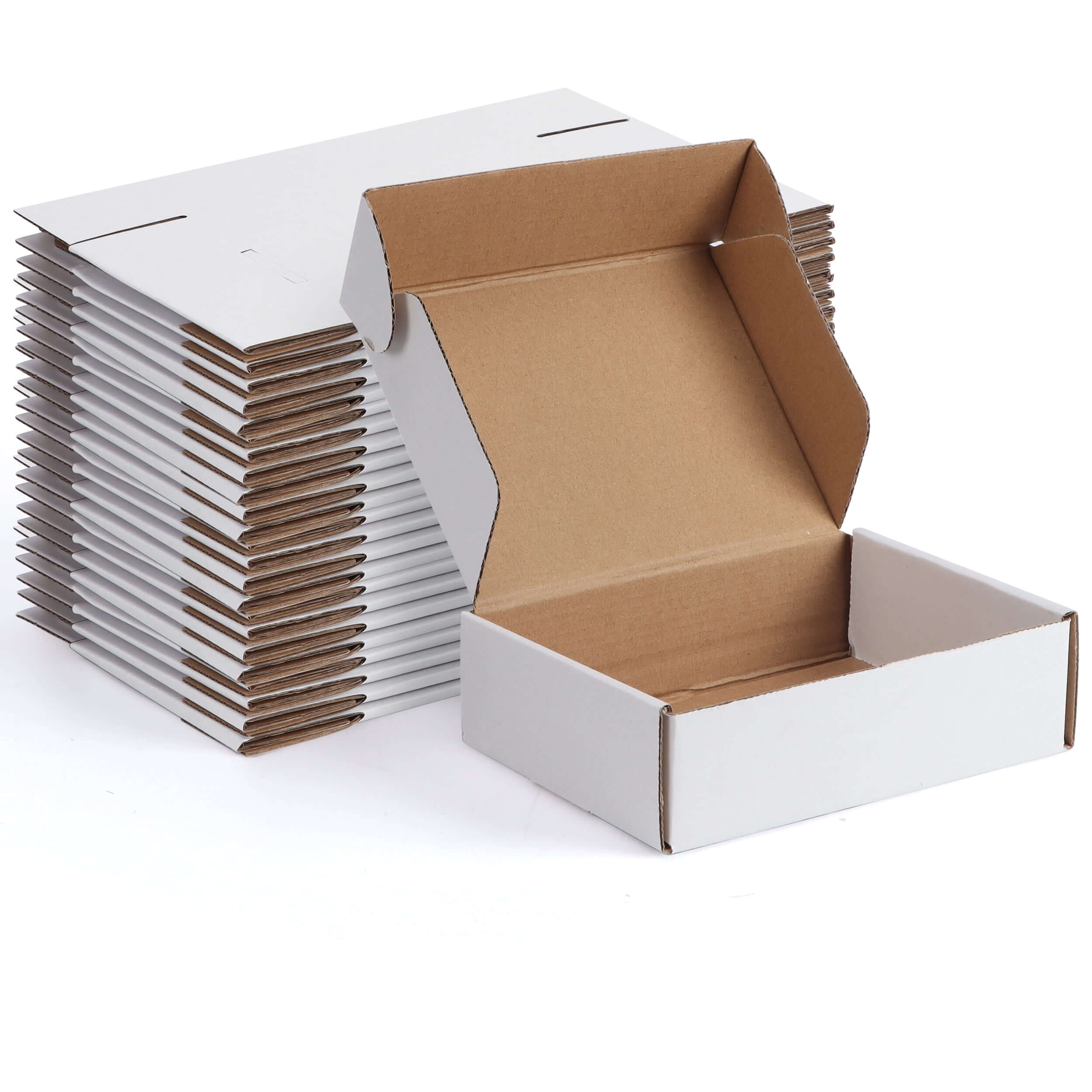
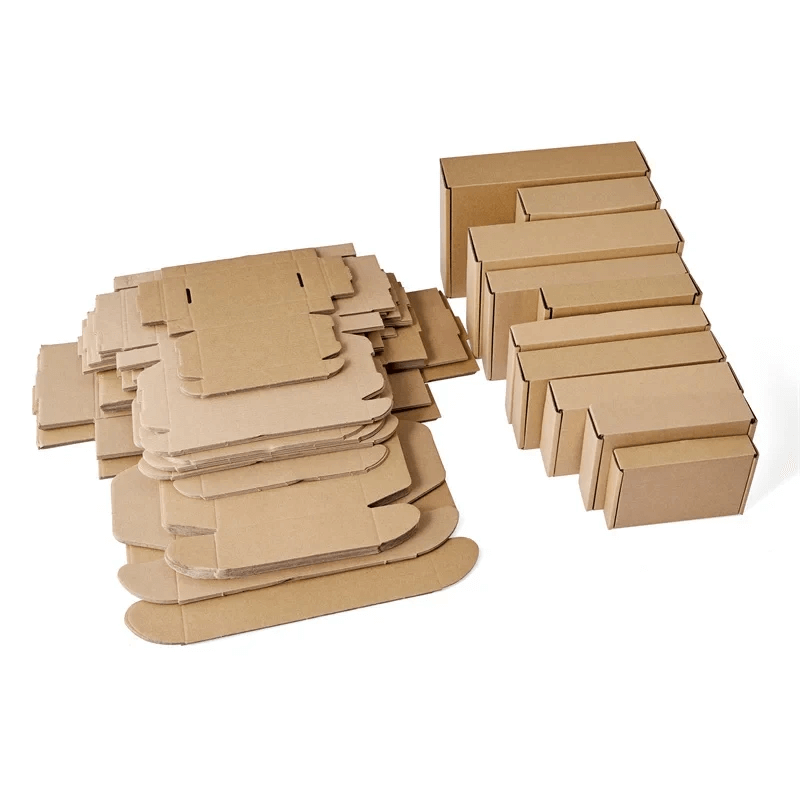
Custom Small Corrugated Boxes
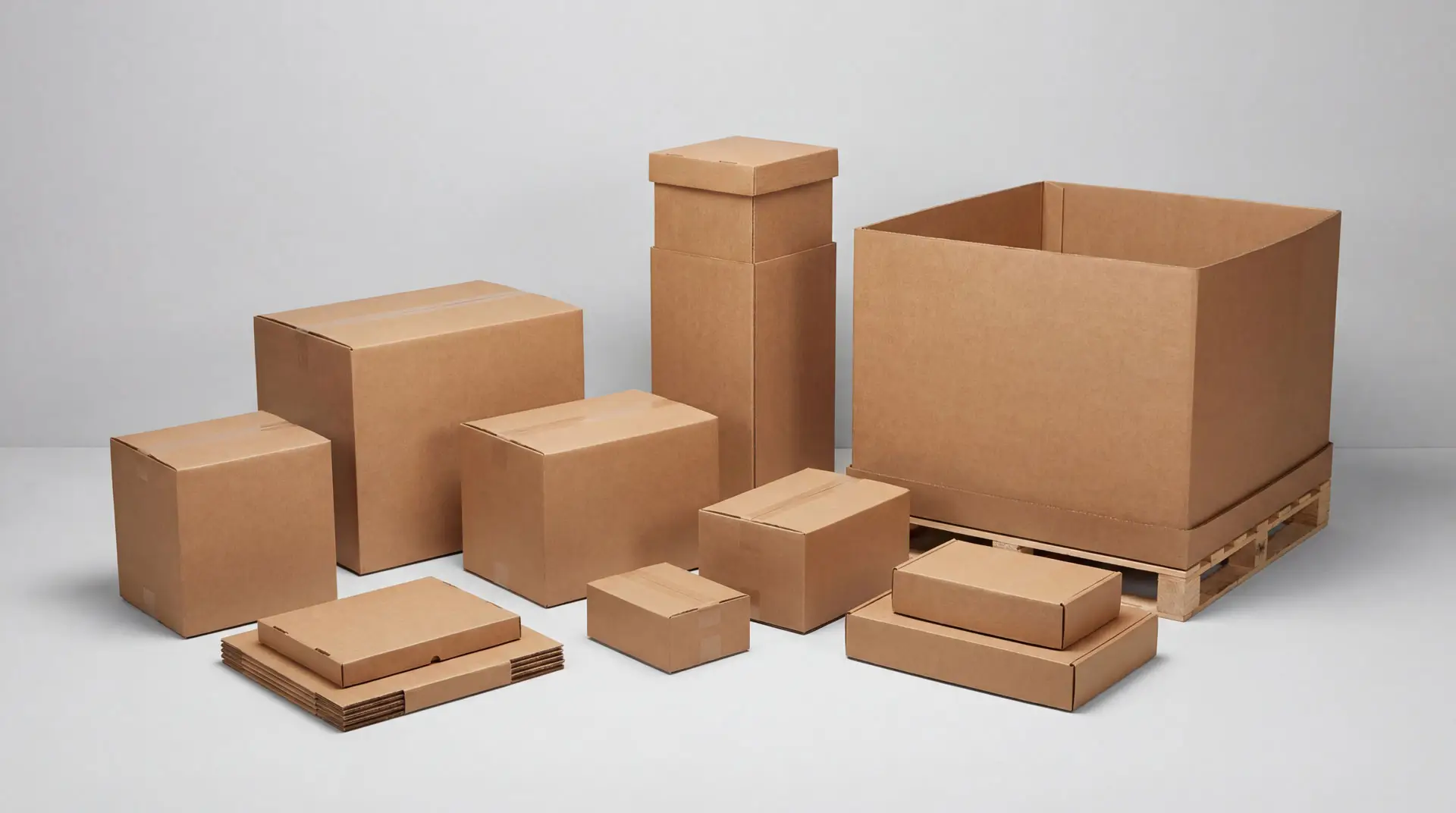
If you’re looking for small corrugated boxes that protect products, reduce dimensional weight, and still look on-brand, this page is built for your procurement checklist. You can order custom sizes, multiple box styles (mailer / shipping carton / die-cut), flexible board strength options, and logo printing—then scale to stable repeat production with consistent QC and export packing.
Fast Quote Checklist
- Box style: Mailer / RSC shipping carton / Die-cut
- Internal size (L × W × H) + product weight
- Shipping method: parcel / pallet / mixed
- Printing: plain / 1–2 color / full color + Pantone (if needed)
- Quantity + destination country + target delivery window
| Item | Options / Notes |
|---|---|
| Box styles | Mailer boxes, RSC shipping cartons, die-cut boxes, other small box structures upon request |
| Dimensions | Custom sizes available; confirm whether you need internal or external dimensions |
| Board options | Single-wall / Double-wall / Triple-wall (based on stacking, weight, and shipping risk) |
| Flute options | Common options include E / B / C / EB (selection depends on protection vs surface/print needs) |
| Strength reference | ECT / Burst (Mullen) available as a selection basis (final choice depends on shipping conditions) |
| Printing | Plain / 1–2 color / CMYK; Pantone matching available for brand consistency |
| Finishes (optional) | Matte / gloss / soft-touch, spot UV, and premium effects for brand-facing applications |
| Inserts (optional) | Dividers, paper inserts, cut-outs, foam/molded solutions (based on product protection goals) |
| Assembly & sealing | Self-lock structures, tape, hot-melt options (style-dependent) |
| MOQ | Typically starts from 500 units; varies by structure, print coverage, and finishing |
| Samples | Plain sample / printed sample / 3D mockup (based on your project stage) |
| Lead time | Typical production lead time can be 8–10 business days after artwork approval; depends on complexity |
| Export packing | Carton + pallet options; packing method designed to reduce crushing risk during international transit |
Small Corrugated Boxes That Ship Smarter
Small cardboard boxes for shipping are not “just smaller cartons.” When your box is sized right and the board grade matches real shipping conditions, you typically see:
- Lower freight cost by reducing dimensional weight and empty void space
- Better product protection with less filler and fewer returns
- Faster packing with the right style (self-lock mailers, efficient RSC cartons)
- Stronger shelf and unboxing experience when branding matters
You can use small corrugated boxes for e-commerce orders, subscription kits, cosmetics sets, electronics accessories, spare parts, samples, and multi-SKU bundles—anywhere fit and transit durability drive profit.
How to Choose the Right Small Corrugated Boxes
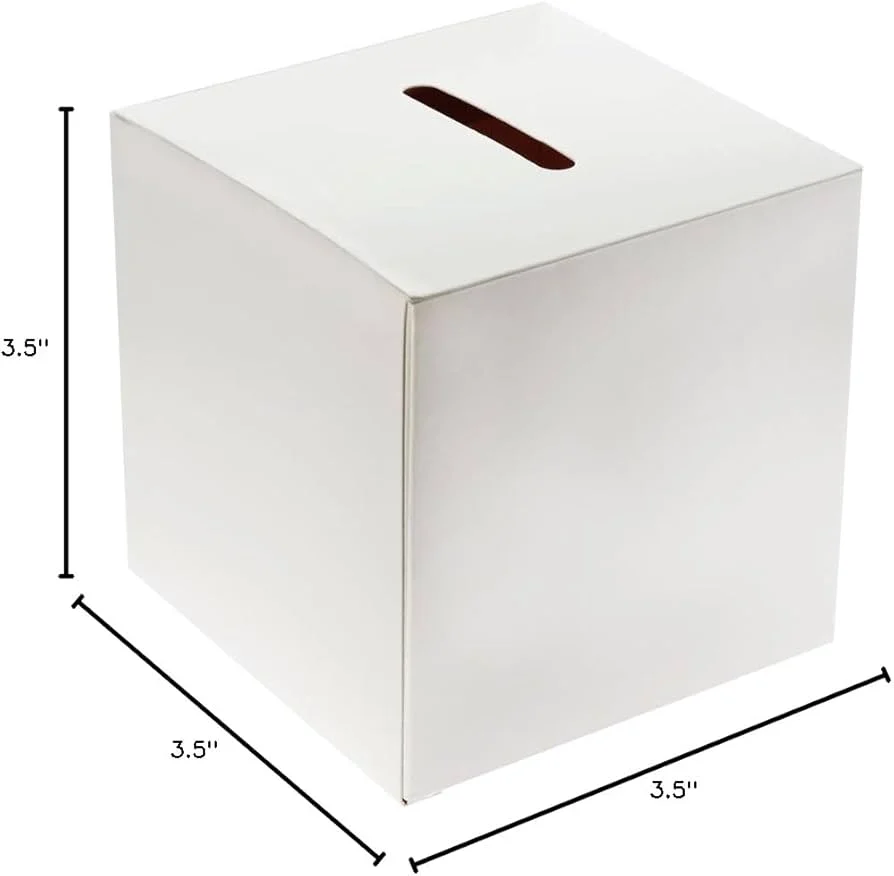
Size Basics: Internal vs External Dimensions (L × W × H)
For most shipping and product-fit discussions, buyers reference internal dimensions—the usable space inside the box. External dimensions matter more when you are optimizing pallet patterns, carton master packs, or dimensional-weight thresholds.
To avoid delays, align on:
- Whether your size is internal or external
- Product orientation (standing/lying), and whether inserts are required
- Real packaging conditions (bagged product, wrapped set, multi-SKU bundle)
Strength & Wall Types: Single vs Double vs Triple
Board strength is not a marketing label—it’s a risk-control decision. Choose based on:
- Product weight and fragility (impact and vibration sensitivity)
- Stacking pressure (warehouse storage, pallet stacking, last-mile compression)
- Shipping distance and environment (humidity exposure, handling intensity)
You get the best ROI when the board grade matches your true risk level—strong enough to protect, not overbuilt to inflate cost.
Flute Choice: Protection vs Print Surface
Flute selection is a practical trade-off:
- Some flutes provide better cushioning and compression for transit protection
- Others provide a smoother surface better suited for higher-quality graphics
If your box is primarily a shipping carton, you typically prioritize protection and packing efficiency. If it’s a brand-facing mailer, you may prioritize print appearance and unboxing.
Customization Options for Small Corrugated Boxes
Box Styles You Can Standardize (and Reorder Easily)
To reduce long-term sourcing friction, you can standardize one or two core styles:
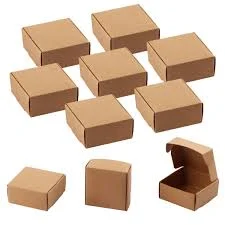
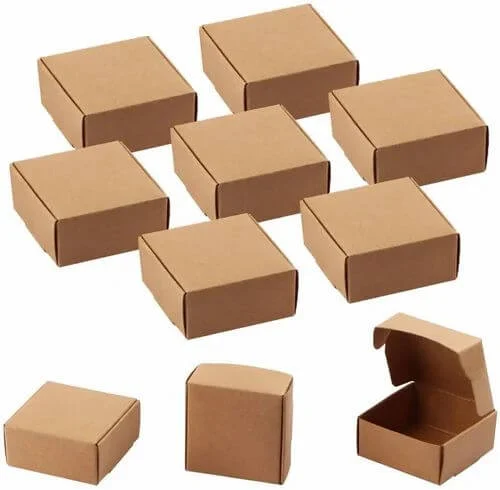
- Mailer boxes: fast fulfillment, clean unboxing, strong for parcel shipping
- RSC shipping cartons: efficient warehousing, tape-seal workflow, scalable shipping
- Die-cut designs: custom fit, faster assembly, or unique openings for presentation
If you’re unsure which style to choose, you can share your product type, shipping method, and target unboxing experience—we’ll recommend the most cost-effective structure.
Printing & Color Management (Repeat-Order Consistency)
You can choose from plain kraft/white looks to full branding:
- CMYK printing for visuals and retail-ready presentation
- Pantone matching when strict brand accuracy is required
- Proofing workflow to reduce surprises before mass production (artwork review → pre-production proof → approval)
Inserts & Protection Add-ons
If your shipment includes mixed SKUs or fragile items, inserts often reduce damage and packaging waste:
- Dividers: keep items separated in one shipment
- Paper inserts / cut-outs: stabilize product without plastic-heavy filler
- Foam/molded options: for higher protection requirements (project-dependent)
Finishes (Use Only When They Add Commercial Value)
Premium finishes are ideal when packaging is part of product perception:
- Retail sets, subscription boxes, premium cosmetics, gifting
For pure shipping cartons, we typically optimize for cost, strength, and packing speed instead of surface effects.
Industry Use Cases
E-commerce & Retail Fulfillment
You need consistent box sizing, reliable compression performance, and packing speed. Small corrugated boxes help you reduce void space, protect items during last-mile delivery, and improve customer experience without inflating shipping cost.
Cosmetics & Personal Care
You often need a balance of protection and presentation. Brand-forward mailers, clean printing, and inserts can elevate perceived value while reducing damage and returns.
Electronics Accessories & Components
Small parts require stability. Dividers or cut-out inserts reduce movement, while appropriate board strength helps resist corner crush and stacking pressure.
Food & Beverage (Compliance Options)
If your project requires specific material/ink compliance options, these can be provided upon request, based on your destination market and documentation requirements.
Pharmaceutical & Healthcare (Documentation-Based Support)
For healthcare-related packaging projects, the key is controlled material selection, print accuracy, and documentation-based support aligned with your market needs.
Quality Control & Export Packing
Material Consistency
You reduce variability by controlling paper/board sourcing and verifying board performance against the requirements of your shipping environment and order volume.
Print Quality & Defect Control
Your brand packaging depends on:
- color stability across batches
- surface defect checks (scuffs, streaks, misregistration)
- consistent die-cut accuracy for self-lock mailers and complex structures
Assembly Accuracy & Transit Risk Control
Small boxes are sensitive to dimensional tolerance. Tight control helps avoid:
- poor fit of inserts
- weak closures
- deformation during packing and export transit
Export Packing Designed to Prevent Crushing
International delivery demands packaging that travels well:
- optimized carton packing to reduce empty space
- pallet options when needed
- protection strategy aligned with container loading and long-distance handling
MOQ, Sampling & Lead Time
MOQ
MOQ typically starts from 500 units, but it can change based on box style, printing coverage, and finishing requirements. If you share your target price and order plan (test order vs rollout), we can propose a cost-effective configuration.
Sampling
You can request:
- plain structural sample to verify size and fit
- printed sample for brand confirmation
- dieline + 3D mockup to accelerate internal approvals
Lead time
A typical production window can be 8–10 business days after artwork approval, with timing influenced by structural complexity, finishing, and peak-season capacity planning.
Sustainability & Responsible Packaging Options
If your market prioritizes sustainability, you can align packaging choices with real procurement outcomes:
- recyclable corrugated materials (project-dependent)
- plastic-reduced protection strategies using paper-based inserts
- FSC options (upon request)
- water-based ink options where applicable
The most credible sustainability story is built on material selection + documentation + supply stability, not generic claims.
Frequently Asked Questions
Are your sizes internal or external dimensions?
Most product-fit and packing discussions use internal dimensions. External dimensions matter for pallet layout and shipping optimization. Tell us your goal, and we’ll confirm the correct measurement basis.
What box style is best for small parcel shipping—mailer or RSC?
Mailers are often chosen for speed and presentation; RSC cartons are favored for warehouse efficiency and tape-seal shipping workflows. The right choice depends on your packing line and unboxing needs.
How do I choose single-wall vs double-wall for small boxes?
Choose based on weight, stacking pressure, and handling intensity. Double-wall is typically selected when compression risk is higher (stacking/pallet distribution/long-distance transit).
What is your MOQ and how does it change with printing?
MOQ is commonly driven by box style, print coverage, and finishing. Plain boxes and simpler printing usually support lower starting quantities than high-graphic, premium finishing projects.
Can you match Pantone colors across repeat orders?
Yes, Pantone matching can be supported for brand consistency. Approval proofs and repeat-order controls help keep results stable across batches.
Can you add dividers or custom inserts for mixed SKUs?
Yes. Dividers and inserts are recommended when movement control reduces returns and improves customer experience.
What files do you need to start artwork proofing?
Typically, vector artwork is preferred for crisp printing. If you share your logo, brand colors, and layout reference, we can guide the file setup process.
How do you pack cartons for export to avoid crushing?
We align packing method with shipment type (carton packing, pallet options, protection strategy) to reduce crushing risk during international transport.