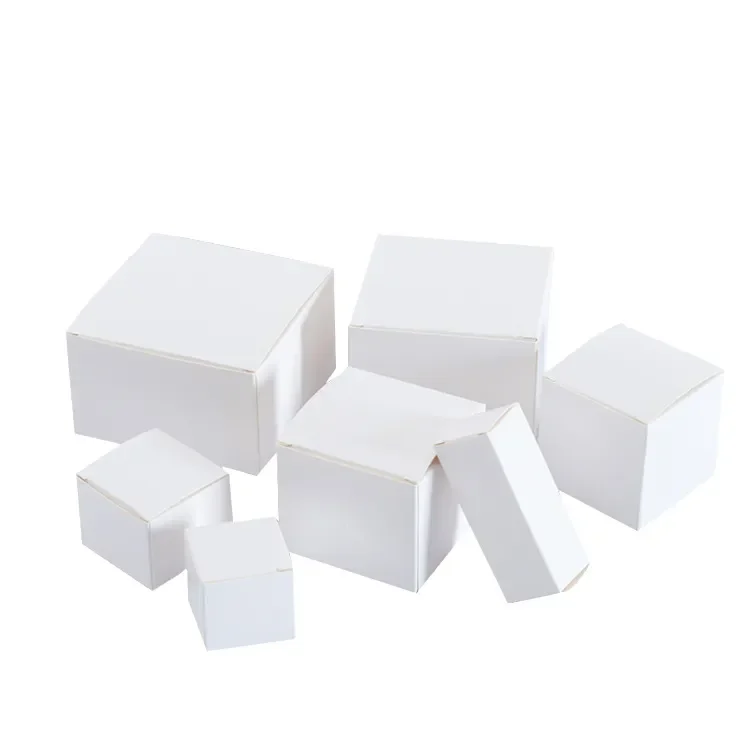
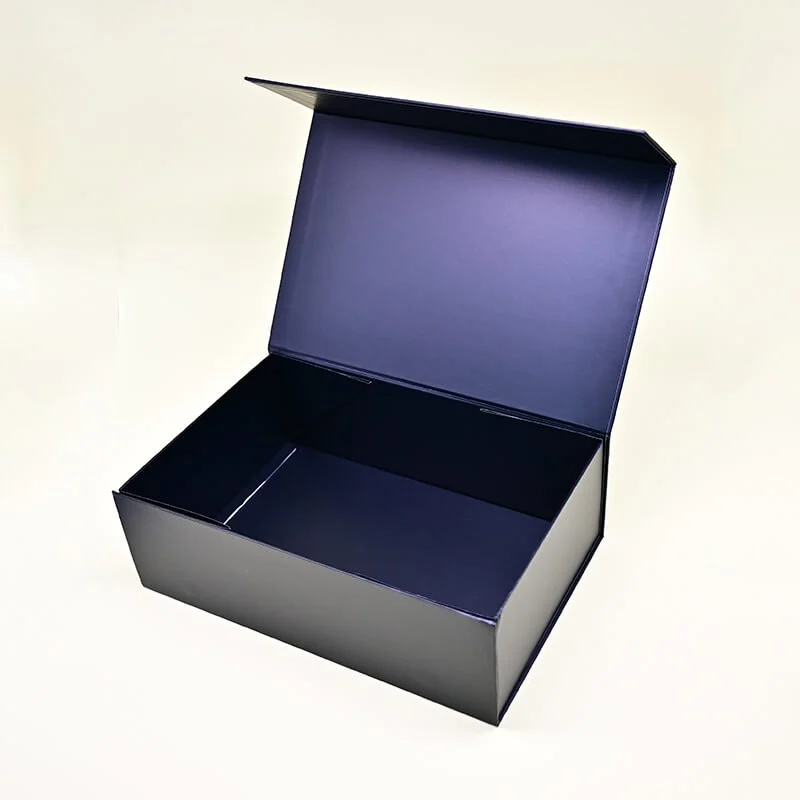
When you look at luxury packaging across beauty, fashion, jewelry, and high-end electronics, one pattern is obvious: the most premium brands consistently choose rigid boxes as their primary packaging format. These boxes do far more than simply hold a product. They shape the first impression, anchor the perceived value, and reinforce the brand story every time a customer opens them.
Rigid boxes are intentionally overbuilt compared to standard folding cartons. They feel heavier, look sharper, and stand the test of time as keepsakes. For luxury brands, this is not a coincidence; it is a deliberate decision rooted in brand strategy, consumer psychology, and product protection.
The sections below break down the key reasons why luxury brands choose rigid boxes and how this packaging format supports high-end positioning.
Rigid Boxes and Luxury Branding: A Direct Connection
Rigid boxes are closely tied to luxury branding because they visually and physically signal that the product inside is special. The thick board, precise edges, and substantial weight instantly distinguish them from everyday packaging.
For luxury brands, three elements come together in a rigid box:
- Visual signal of quality: The structure looks sophisticated, tidy, and intentionally designed.
- Tactile confirmation: The moment a consumer touches the box, weight and rigidity confirm that this is a premium item.
- Brand continuity: Logos, colors, and textures on a rigid box are more likely to be kept and remembered, extending brand presence well beyond the purchase moment.
Instead of blending into the background, rigid boxes act as a physical extension of the brand. That is why you see them across categories such as high-end cosmetics, jewelry, watches, spirits, perfumes, and flagship tech devices.
Reason 1 — Exceptional Structural Strength Creates a Premium First Impression
One of the most immediate reasons luxury brands choose rigid boxes is structural strength. Rigid boxes are made from thick paperboard or chipboard wrapped with printed or textured paper. This construction is substantially stronger than standard folding cartons.
That strength delivers multiple benefits:
- The box does not collapse or bend when handled, creating a feeling of solidity.
- Corners and edges stay sharp and clean, even after transportation and storage.
- The lid or opening mechanism maintains alignment, avoiding gaps and uneven closures.
From a brand perspective, this robust structure communicates control, reliability, and quality. A fragile or flimsy box would send the opposite message, undermining the perceived value of a luxury product before the customer even touches the item inside.
For heavy glass bottles, delicate components, or high-value accessories, this strength is not just aesthetic. It also reduces the risk of damage during shipping and in-store handling, which protects both the product and the brand image.
Reason 2 — Superior Visual Presence Elevates Brand Perception
Rigid boxes have a visual presence that is difficult to achieve with lighter packaging. The thick walls, perfectly flat panels, and crisp edges create a clean geometric form that showcases branding in a very controlled way.
Luxury brands leverage this in several ways:
- Perfect graphic presentation: The rigidity keeps surfaces flat, so logos, foils, and imagery are not distorted by warping or flexing.
- Shelf impact: On retail shelves, rigid boxes stand tall and stable, immediately drawing the eye compared to softer or thinner pack formats.
- Display flexibility: The box itself can act as a display unit or be showcased in a boutique, on a counter, or in a window without losing its shape.
Because of this visual stability, rigid boxes are ideal for sophisticated color palettes, subtle textures, and precise finishes that luxury brands prefer. Fine details like debossed brand marks or minimalistic line art appear much more refined on a rigid surface.
Reason 3 — Highly Customizable for Luxury Storytelling
Rigid boxes offer an exceptionally wide canvas for structural and aesthetic customization, which is essential for luxury storytelling. Brands rarely want generic packaging; they want packaging that reinforces a specific narrative about heritage, innovation, craftsmanship, or exclusivity.
With rigid boxes, brands can choose from many structural formats:
- Book-style boxes that open like a premium volume
- Drawer-style boxes with ribbon pulls or thumb notches
- Shoulder-neck boxes that reveal a step between lid and base
- Clamshell or hinged-lid designs that open with a deliberate motion
Beyond structure, the outer wrap and inner lining can be fully tailored:
- Textured or fabric-like paper
- Soft-touch lamination for a velvet feel
- Metallic, pearlescent, or duplex color effects
- Foil stamping, embossing, debossing, and spot UV highlights
Each of these choices allows a brand to link the packaging to its core identity. A heritage jewelry house might use classic, deep-colored paper with gold foil. A modern tech luxury brand may select minimal white with ultra-precise debossing and a soft-touch surface. Rigid boxes make it possible to express these stories in three dimensions.
Reason 4 — Creates a Memorable Unboxing Experience
For luxury brands, unboxing is no longer a small detail; it is a carefully engineered part of the customer journey. Rigid boxes are ideal for this because they support layered, structured unboxing flows that feel deliberate rather than accidental.
With rigid boxes, brands can design:
- A controlled opening motion (lifting a lid, opening a magnetic flap, sliding a drawer)
- Inner compartments or trays that reveal the product gradually
- Branded message cards, certificates, or accessories placed in precise positions
- Sound and tactile cues, such as soft friction or a subtle “click” as magnets align
These elements combine to create a sense of anticipation and discovery. A customer does not simply “take the product out of a box”; they experience a moment that reinforces the brand’s narrative of care, attention, and exclusivity.
In a digital age where unboxing videos and social sharing influence perception, rigid boxes give luxury products a strong advantage in terms of media-ready presentation.
Reason 5 — Ensures Product Security for High-Value Items
Luxury items tend to be fragile, expensive, or both, which elevates the importance of secure packaging. Rigid boxes are naturally suited for this role because they combine strong outer walls with precise internal structures.
Security-related advantages include:
- Protection from crushing during transportation
- Resistance to impacts or pressure in storage and retail handling
- The ability to integrate custom inserts that hold items firmly in place
Inside rigid boxes, brands often use:
- EVA, foam, or molded pulp inserts tailored to the exact shape of the product
- Cardboard or paperboard fitments to organize multiple components
- Fabric-wrapped or flocked trays to protect delicate surfaces
This integration of outer structure and inner protection gives luxury brands confidence that their products will arrive and be presented in perfect condition. It also reinforces the perception that every detail—from product design to packaging safety—has been carefully managed.
Reason 6 — Supports Premium Pricing and Perceived Value
Luxury pricing depends not only on product quality but also on perceived value. Packaging plays a powerful role in shaping that perception. Rigid boxes help justify premium pricing in the customer’s mind.
Key ways they support premium pricing:
- Weight and resistance: Heavier packaging subconsciously signals “worth more.”
- Material richness: Textures, finishes, and construction complexity indicate investment.
- Signal of permanence: A box that customers are likely to keep suggests that the product is meant to last as well.
When a customer receives a product in a rigid box, they often feel they are receiving more than just the item; they are receiving an experience, a keepsake, and a piece of the brand. This sense of added value makes higher price points feel more acceptable and even expected.
Reason 7 — Signals Exclusivity and Collectibility
Luxury brands often aim to create objects of desire that people want to keep, display, or collect. Rigid boxes naturally fit this objective because they are substantial enough to hold a place in a customer’s home or workspace.
Rigid boxes can:
- Become storage boxes for jewelry, documents, or personal items
- Serve as decorative elements on shelves, vanities, or desks
- Be associated with limited editions, seasonal collections, or collaborations
When packaging remains in a customer’s life after the product is used or worn, the brand stays present as well. Over time, a collection of rigid boxes can become a visual archive of the brand relationship.
This reuse and collectibility are difficult to achieve with lighter or disposable packaging formats. Rigid boxes give luxury brands a lasting presence beyond the initial purchase.
Reason 8 — Sustainable Options Are Now Compatible with Luxury Rigid Packaging
Historically, some brands viewed rigid boxes as less sustainable due to material weight and finishing complexity. However, sustainable luxury packaging has advanced significantly, making it possible to align rigid boxes with environmental goals.
Modern approaches include:
- Using responsibly sourced, certified paper-based boards for the core structure
- Selecting recycled or partially recycled boards for the inner layers
- Reducing plastic components in favor of paper-based or molded fiber inserts
- Choosing finishes and adhesives compatible with recycling guidelines where possible
For luxury brands, this means they no longer have to choose between a premium, rigid box presentation and sustainability initiatives. Instead, they can design rigid packaging that reflects both their aesthetic standards and their environmental commitments, strengthening trust with increasingly eco-conscious consumers.
How Luxury Brands Evaluate Rigid Boxes
When luxury brands consider rigid boxes, the decision is rarely based on a single factor. It is a structured evaluation that balances brand image, product protection, cost, and sustainability.
Typical evaluation criteria include:
- Brand positioning: Does the box express the right level of exclusivity and design language?
- Product characteristics: How heavy, fragile, or complex is the item to be packaged?
- Unboxing requirements: What type of opening motion and reveal sequence is desired?
- Retail and logistics: How will the box perform in global shipping, warehousing, and display?
- Cost and ROI: Does the packaging investment support the product’s price point and margin?
- Sustainability targets: Can the box be designed with acceptable environmental performance?
The comparison below summarizes how rigid boxes typically differ from standard folding cartons in a luxury context:
| Aspect | Rigid Boxes | Standard Folding Cartons |
|---|---|---|
| Structural Strength | Very high; thick board resists bending and crushing | Moderate; suitable for many goods but less substantial |
| Visual Impact | Strong, stable presence with sharp edges and flat faces | Good for mass products; less weight and presence |
| Customization (Shape & Finish) | Very high; complex structures and rich finishes | Good; some limits on structure and heavy finishes |
| Unboxing Experience | Layered, ceremonial, often with multiple components | Simple opening, usually single-step |
| Perceived Luxury | High; associated with premium and prestige brands | Medium; more everyday or accessible |
| Reuse & Collectibility | Often kept and reused as storage or display | Commonly recycled or discarded after use |
Luxury brands review these aspects to confirm that rigid boxes are the right tool for reinforcing their desired customer experience and price positioning.
FAQ About Luxury Brands and Rigid Boxes
1. Are rigid boxes always the best choice for luxury products?
Rigid boxes are ideal for many luxury products, but they are not the only option. Some brands use high-end folding cartons or hybrid solutions when they need to reduce weight or cost while still signaling quality. The decision depends on product value, brand aesthetics, and logistics requirements.
2. Are rigid boxes significantly more expensive than folding cartons?
Rigid boxes typically cost more than standard folding cartons because they use more material, require additional manual or semi-manual assembly, and often incorporate advanced finishes. Luxury brands accept this higher cost because it supports premium pricing, reduces damage risk, and enhances brand perception.
3. What materials are commonly used to make rigid boxes?
Most rigid boxes are built from thick paperboard or chipboard as a core, wrapped with printed or colored paper. The outer wrap may be uncoated, coated, textured, laminated, or treated with special finishes. Inside, brands can specify plain or printed liners, fabric-like wraps, or additional fitments depending on the product.
4. Which rigid box structures do luxury brands use most?
Popular structures include shoulder-neck boxes, book-style boxes, drawer boxes, clamshell boxes, and classic lift-off lid and base designs. The choice is driven by how the brand wants the product to be revealed, how many components must be organized inside, and whether any accessories or documents are included.
5. Can rigid boxes be designed to be more sustainable?
Yes. Brands can choose responsibly sourced boards, reduce or eliminate plastic trays, and work with finishes that are more recycling-friendly. In some cases, the durability and reusability of rigid boxes can also be framed as part of a sustainability strategy, encouraging consumers to keep and reuse them.
6. Do rigid boxes ship flat or fully assembled?
Most rigid boxes are supplied in an assembled or partially assembled form rather than fully flat, due to their construction. This affects shipping volume and storage planning. Luxury brands factor this into their logistics, balancing the benefits of rigid packaging with warehouse and transport efficiency.
7. When does it make sense for a brand not to use rigid boxes?
If a product is low in value, highly price-sensitive, or requires very compact and lightweight packaging, rigid boxes may not be appropriate. In these cases, upgraded folding cartons or other formats can deliver better cost-performance while still supporting a strong brand image.
Conclusion
Luxury brands choose rigid boxes because they do more than protect products. They communicate quality at first touch, deliver a carefully engineered unboxing experience, secure high-value items, and anchor premium pricing in the consumer’s mind. Their strength, visual presence, customization possibilities, and lasting collectibility make them a powerful tool for brand building.
As expectations for luxury packaging continue to rise—both in terms of experience and sustainability—rigid boxes remain a central platform for brands that want every detail of their packaging to reinforce the story of value, craftsmanship, and exclusivity.